News Summary
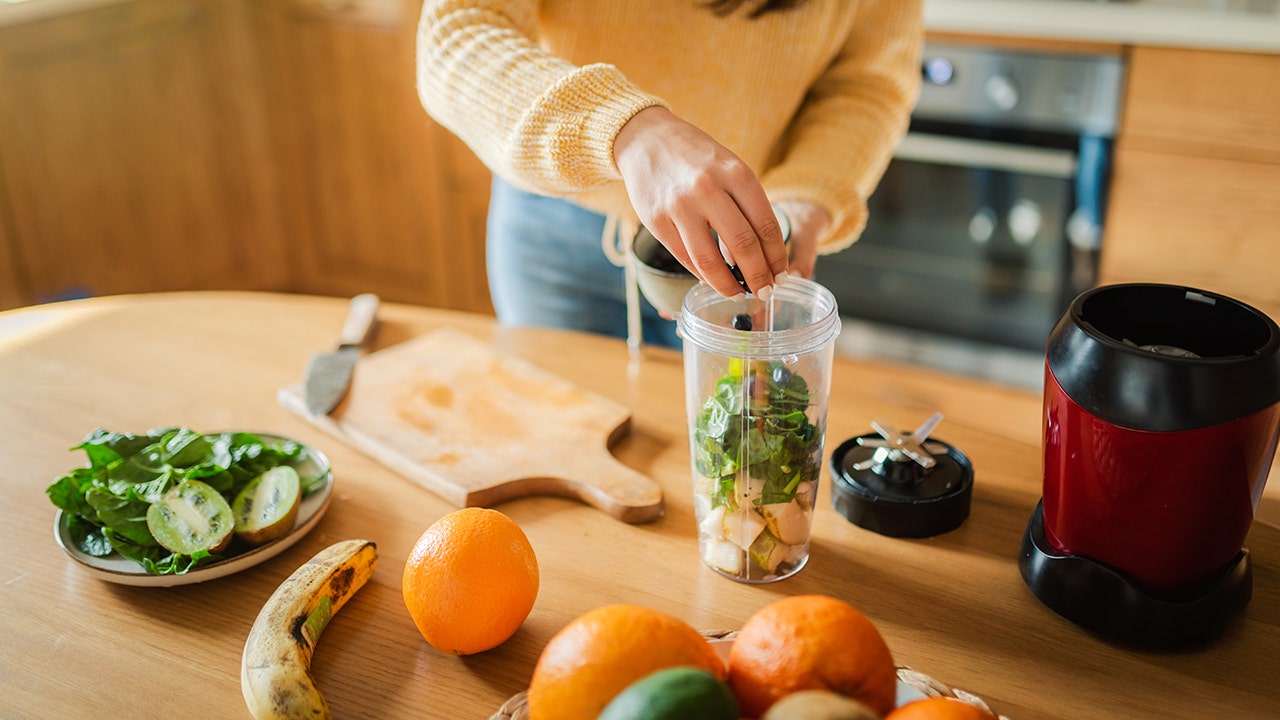
The article highlights that carrots are not the only food beneficial for vision. Registered dietitian Lauren Manaker discusses how nutrients like lutein, zeaxanthin, and beta-carotene can help protect eye health, particularly by shielding the eyes from blue light and age-related damage. Four foods are spotlighted for their vision-supporting properties: egg yolks (rich in lutein and zeaxanthin), pistachios (source of lutein and linked to improved macular pigment), sweet potatoes (high in beta-carotene, supporting vitamin A production and night vision), and spinach (packed with lutein, zeaxanthin, and vitamin C). The article encourages incorporating these foods into daily meals to maintain and improve eye health over time.
Biblical Reflection
From a biblical standpoint, the article's emphasis on caring for one's body aligns with scriptural principles that regard the body as a temple of the Holy Spirit (1 Corinthians 6:19-20). The focus on nutrition and preventative care reflects wise stewardship over the gifts God has given us, including our physical health. Scripture encourages moderation, gratitude for provision, and intentional care for oneself—not as an end in itself, but as a means to serve and honor God more fully. However, Christians are also reminded that while healthy living is valuable, ultimate trust and hope should rest in God, not solely in dietary habits or physical wellness. Our bodies are temporal, but our souls are eternal. The pursuit of health should be approached with humility and thankfulness, acknowledging every good gift comes from above (James 1:17), and that true wholeness is found in Christ.
Scripture in context
This outlook does not yet include contextual Scripture citations. Do not treat a general biblical theme as an exegetical conclusion.
Faithful Response
No prescribed response is offered. Consider the reflection prompts below in your own church context.
Reflection and Discussion
- 1In what ways do I view caring for my body as a way of honoring God?
- 2Do I practice gratitude for the foods and resources God has provided for my health?
- 3How can I balance caring for my physical health with trusting God for my ultimate well-being?
Sources
Reporting links are evidence inputs; Sanctuary News' biblical reflection is commentary.
This outlook currently relies on fewer than two linked sources. Broaden verification before teaching from it.
- 1.Original reportprimary