News Summary
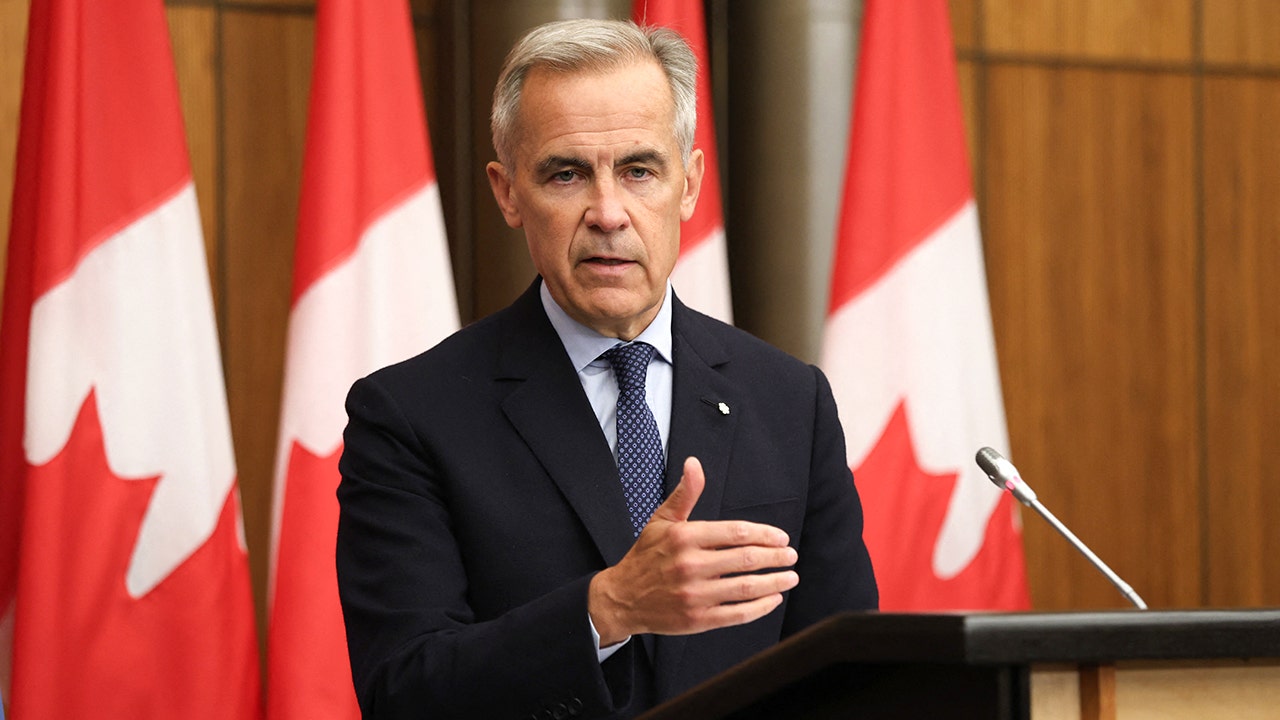
At a NATO summit in Ankara, Canadian Prime Minister Mark Carney told reporters that U.S. pressure under President Donald Trump has persuaded NATO members to increase defense spending and that Trump has “won the argument.” Carney said he spoke with Trump before the summit and credited growing recognition among allies of increased security threats, citing Canada’s planned defense investments (including a submarine procurement program, secure Arctic communications via Telesat’s Lightspeed, and a contract for Joint Strike Missiles). The article notes the 2025 NATO leaders’ agreement to a new informal goal of spending 5% of GDP on defense and security by 2035—up from the long-standing 2% benchmark—while also stating the alliance has no formal enforcement mechanism. The story reports that President Trump singled out Spain for refusing to commit to the 5% target and suggested cutting trade and tourism ties; other allies such as Britain and France have pledged moves toward the target but currently fall short. NATO Secretary-General Mark Rutte and the article further quoted U.S. officials indicating possible countermeasures for countries that do not meet the new target. The piece also recalls Carney’s past criticisms of Trump on trade and tariffs before noting Canada’s current trajectory from about 1.4% of GDP for defense toward roughly 4% by the decade’s end under NATO accounting standards.
Biblical Reflection
This report mostly relays statements and policy moves: allies have agreed to a higher spending goal and some leaders credit U.S. pressure for the shift. The piece frames Trump as having achieved a long-sought U.S. objective, which is factually supported by leaders’ remarks, but it simplifies complex causes—security threats (for example from Russia), domestic politics in NATO countries, and long-running alliance debates also drive changes in burden‑sharing. From a pastoral perspective, increased collective responsibility for defense can be prudent when it protects the vulnerable and deters aggression, but the means matter: using economic coercion, threats to cut trade, or public shaming risks escalating tensions, harming civilians, and corroding trust between neighbors. Christians should name both the need for justice and the call to seek peace; the Bible commends protecting the innocent but also calls leaders to act with humility, love for neighbor, and regard for the weak. Readers should be cautious of partisan praise that converts a complex security policy into a one‑sided political victory; truthful discernment requires attention to motives, likely human costs, and the long-term effects on alliances and civilian populations.
Scripture in context
This outlook does not yet include contextual Scripture citations. Do not treat a general biblical theme as an exegetical conclusion.
Faithful Response
No prescribed response is offered. Consider the reflection prompts below in your own church context.
Reflection and Discussion
- 1Are we crediting one political actor with a complex policy outcome without considering other strategic, regional, or historical drivers of change?
- 2Will higher defense spending be paired with diplomatic efforts to reduce risks, or will it deepen coercive tactics and interstate mistrust?
- 3Who will bear the economic and human costs of faster militarization, and how should Christian concern for the vulnerable shape our evaluation?
Sources
Reporting links are evidence inputs; Sanctuary News' biblical reflection is commentary.
This outlook currently relies on fewer than two linked sources. Broaden verification before teaching from it.
- 1.Original reportprimary