News Summary
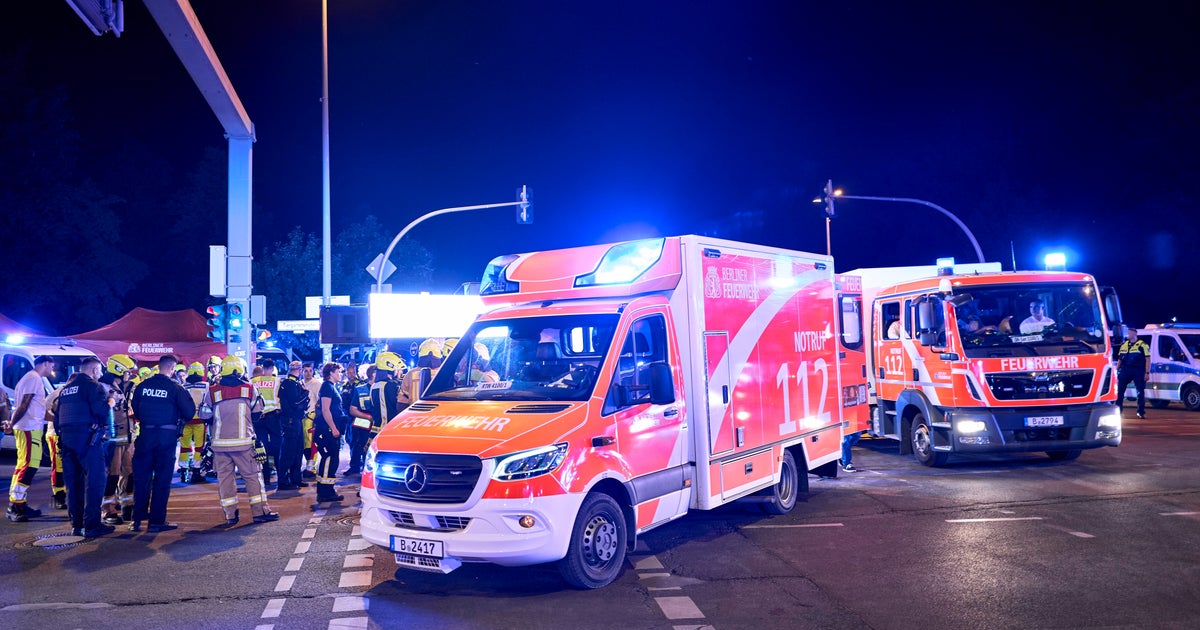
Reported facts: A car drove into a crowd during Berlin's LGBTQ+ pride parade on Saturday; Berlin police said they were searching for possible suspects; at least one person died. Attributed claims: The article states police were searching for 'possible suspects' (attributed to Berlin police). Uncertainty: The report does not provide verified information about motive, the number or severity of additional injuries, the identity or arrest of any suspect, whether the act was deliberate or accidental, or official police statements beyond the search for suspects.
Source and Framing Analysis
The supplied report is brief and focuses on the immediate facts: a vehicle struck a parade crowd, police are searching for suspects, and at least one fatality occurred. Material uncertainties remain because the piece lacks official quotes, detailed police statements, casualty counts, eyewitness accounts, and information about intent. The article's reference to the parade as 'famed' is descriptive but does not affect the core factual claims; however, labeling the event as a high-profile celebration may shape reader perception of the act's social significance despite limited evidence about motive.
Biblical Reflection
This incident calls Christians to a posture of sorrow, sober judgment, and neighbor-love. Sorrow, because violence against any group or individual wounds the body of humanity and calls for lament. Sober judgment, because responsible discipleship resists rumor and rushes to judgment; we should insist on verified facts from authorities and avoid amplifying unverified claims that inflame fear or hatred. Neighbor-love requires concrete compassion: churches and Christians should offer pastoral care, material support, shelter, and accompaniment to those traumatized or grieving, especially if the harmed community is already marginalized.
Spiritually, this moment tests whether we will allow fear or tribalism to drive our response. The gospel calls us both to denounce injustice and to pray for every person involved, including potential perpetrators, without excusing wrongdoing. Practically, Christians can press for thorough, transparent investigations, civic measures that protect public assemblies, and community practices that refuse to scapegoat while seeking accountability. Pastors should model lament and intercession, provide safe spaces for trauma care, and lead congregations in actions that protect and heal the neighbor.
Scripture in context
- 1Luke 10:25-37 (Parable of the Good Samaritan) — In Luke's Gospel a legal expert asks Jesus what it means to 'love your neighbor'; Jesus tells the parable of a man robbed and left for dead, passed by by religious figures but aided by a Samaritan—an outsider—who shows practical mercy and care. The story challenges narrow definitions of neighbor and elevates compassionate action over religious posture. — The passage calls Christians to practical, costly care for those harmed, especially those who might be socially marginalized; it warns against indifference and invites the church to cross social boundaries to provide immediate aid and ongoing support.
Faithful Response
Pray for victims, witnesses, and investigators; refrain from sharing unverified rumors; offer tangible help (blood donations, financial assistance, transportation, counseling referrals); coordinate or support local LGBTQ+ organizations and hospitals; participate in or organize peaceful vigils that center victims and avoid politicizing the event; encourage local leaders to review safety measures for public gatherings.
Reflection and Discussion
- 1How does Scripture shape the way we respond to violence against marginalized groups—do we lead with lament, justice, or both?
- 2Are we participating in or resisting a rush to judgment and rumor in our social circles and online communities?
- 3What concrete acts of neighbor-love can our congregation offer to those who are grieving or traumatized by this event?
Sources
Reporting links are evidence inputs; Sanctuary News' biblical reflection is commentary.
This outlook currently relies on fewer than two linked sources. Broaden verification before teaching from it.
- 1.Vehicle crashes into Berlin's Gay Pride parade, killing at least 1 personprimary_reporting