News Summary
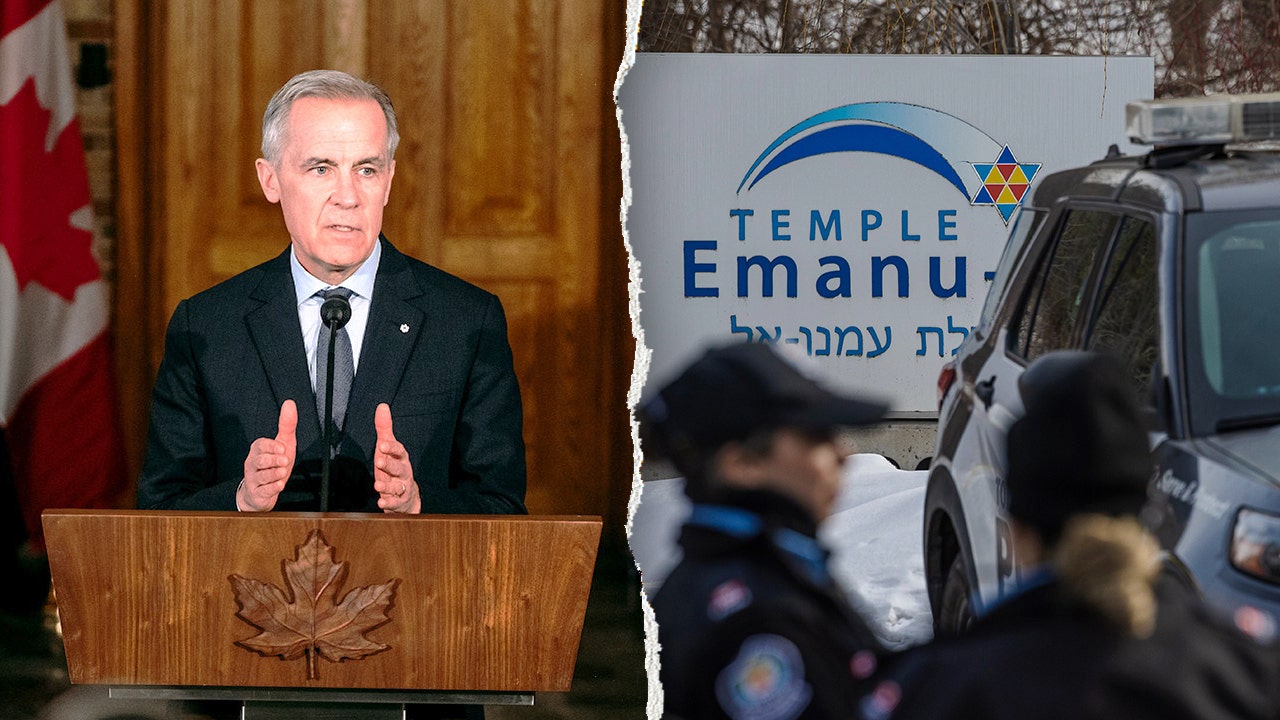
Over a short period in early March 2026, three Toronto synagogues were struck by gunfire; no injuries were reported. These attacks come amid a broader documented rise in antisemitic incidents across Canada since the Hamas attack on Oct. 7, 2023. Jewish and Israeli officials — including Israel’s president and national security council — have urged vigilance and criticized Canadian authorities. Canadian Prime Minister Mark Carney posted statements condemning the attacks and affirming Jewish Canadians’ right to safety, but community leaders and some politicians have demanded more concrete measures rather than words alone. Critics, including Conservative MP Roman Baber, argue that some of Carney’s prior statements and policy decisions (such as recognizing a Palestinian state and comments related to Gaza) have inflamed tensions. Watchdog groups called for perpetrators to be prosecuted to the full extent of the law. Statistics cited in the article show a substantial increase in reported antisemitic incidents and hate crimes targeting Jews in Canada in recent years.
Biblical Reflection
From a biblical perspective, the attacks and the rise in antisemitic incidents are clearly wrong and must be opposed. Scripture repeatedly calls God's people to defend the vulnerable, oppose injustice, and love our neighbors (e.g., Micah 6:8; Leviticus 19:18). Hatred directed at a religious minority—whether expressed in violent acts, intimidation, or speech—is incompatible with Christian ethics. Church leaders and Christians should unequivocally condemn violence and harassment of Jewish communities and insist on robust, impartial enforcement of the law to protect worshipers.
At the same time, the article highlights the political complexities where rhetoric and policy choices are perceived to influence social tensions. Christians are called to speak truth in love (Ephesians 4:15): that means holding public officials accountable for ensuring public safety while avoiding partisan scapegoating. If political statements or policy moves have contributed—intentionally or not—to increased fear or animosity, leaders should listen, repent where necessary, and act to heal breaches. The faithful response includes both compassionate solidarity with victims and a sober critique of anything that fuels hatred, whether from the right or the left.
Practically, the Christian community should (1) stand alongside Jewish neighbors in prayer and practical support, (2) press for clear protective measures and justice through lawful channels, and (3) model reconciliation and truth-telling that resists simplistic narratives and refuses to excuse violence. Love of neighbor and pursuit of justice are not political conveniences but biblical imperatives.
Scripture in context
This outlook does not yet include contextual Scripture citations. Do not treat a general biblical theme as an exegetical conclusion.
Faithful Response
No prescribed response is offered. Consider the reflection prompts below in your own church context.
Reflection and Discussion
- 1How am I actively standing with neighbors who are threatened because of their faith, and what practical steps can I take to help their safety and dignity?
- 2Do my words or political choices contribute to division or to the protection of the vulnerable? Where should I repent and change course?
- 3How can my church be a place that both rebukes hatred and seeks paths toward truthful reconciliation without excusing wrongdoing?
Sources
Reporting links are evidence inputs; Sanctuary News' biblical reflection is commentary.
This outlook currently relies on fewer than two linked sources. Broaden verification before teaching from it.
- 1.Original reportprimary