News Summary
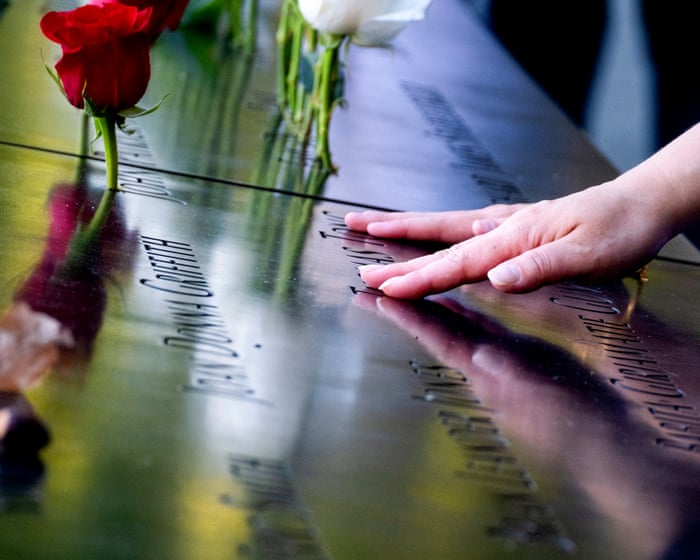
Reported facts: The Guardian invited people who lost someone in the September 11, 2001 attacks to submit memories to mark the 25th anniversary and provided a form plus links to terms of service and a privacy policy. Attributed claims: the invitation implies collected memories may be used in commemoration or reporting, but the article does not specify how submissions will be published or used. Uncertainty: the article does not state the editorial criteria, publication plan, deadline, or how consent/ privacy will be managed beyond linking a policy.
Source and Framing Analysis
The piece is a solicitous, audience-facing call for submissions rather than investigative reporting. Framing emphasizes remembrance and personal testimony; it does not provide details about the editorial process, how submissions will be used, whether they will be edited, or how privacy will be protected beyond linking standard policies. Those absences affect a reader's ability to evaluate what sharing will entail.
Biblical Reflection
This request for memories recognizes the ongoing grief of survivors and the communal need to remember those lost. As Christians, we are called both to honor the dignity of the dead and to accompany the living in their sorrow. Public remembrances can provide healing when they center truth, welcome testimony, and treat survivors with respect rather than curiosity.
At the same time, Christians should watch for ways remembrance can be shaped by other agendas—political, commercial, or sensational. Loving our neighbor in grief includes guarding their stories against exploitation, attending carefully to consent and privacy, and insisting that public memory preserve factual reality about what happened rather than reducing people to symbols. In practical terms, respond with gentleness, discernment, and a commitment to sustaining truth and compassion in how we remember.
Scripture in context
- 1Psalm 34:18 — In its original setting the psalm expresses trust in God’s protection and nearness amid suffering, offering comfort to those who are brokenhearted and crushed in spirit. — This passage reassures Christians that God is present with those who grieve; it supports pastoral practices of presence, listening, and consolation when communities mark tragic anniversaries.
- 2Romans 12:15 — Paul urges the Roman church to live in mutual solidarity—sharing in each other's joys and sorrows—as part of practical Christian community ethics. — This counsel calls the church to accompany survivors empathetically, to mourn with them, and to ensure public remembrance practices embody shared sorrow and mutual care rather than detachment or spectacle.
Faithful Response
Listen before publishing: prioritize survivors' consent and let their wishes guide whether and how memories are shared publicly.
Offer practical care: reach out to survivors with concrete help (meals, errands, presence) rather than only symbolic words.
Preserve truth: support record-keeping and accurate memorialization that resists simplification or politicization of victims' stories.
Model sacred remembrance: in private and public liturgies, name the dead by their full humanity and resist reducing them to slogans.
Reflection and Discussion
- 1How can public acts of remembrance protect survivors' dignity while keeping historical truth at the center?
- 2In what ways should the church lead in memorial practices that prioritize compassion over publicity?
- 3What measures should communities insist on from media outlets when they solicit personal stories about traumatic events?
Sources
Reporting links are evidence inputs; Sanctuary News' biblical reflection is commentary.
This outlook currently relies on fewer than two linked sources. Broaden verification before teaching from it.
- 1.Share your memories of someone you lost in 9/11primary_reporting