News Summary
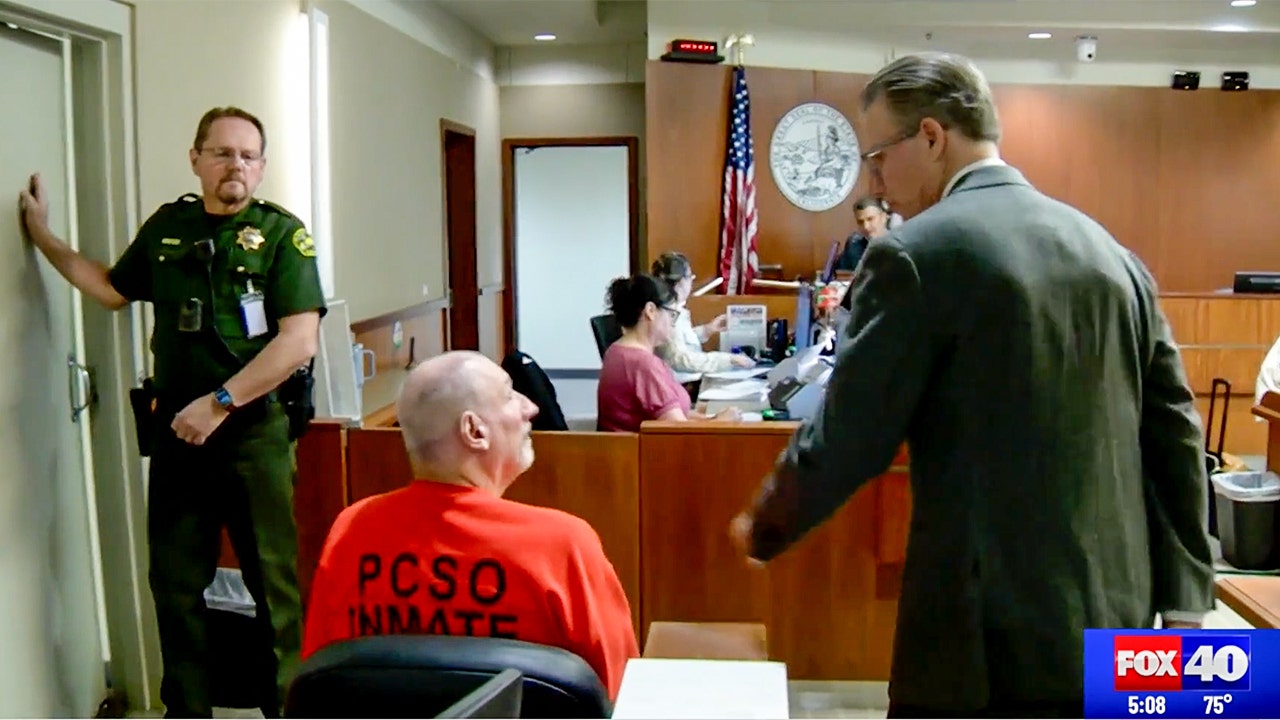
This opinion piece argues that California’s elderly parole law (Penal Code §3055), which makes inmates age 50 or older who have served at least 20 continuous years eligible for an elderly parole hearing, is being exploited by convicted child sex offenders and puts public safety—especially children—at risk. The author, John Koufos of Right On Crime, draws on his criminal-justice background and personal experience to warn that while many crimes decline with age, sexually motivated offenses against children do not necessarily follow that pattern. He cites studies showing higher long-term reoffense rates among sex offenders and a 2026 California report indicating that people in the Sex Offender Management Program over 60 had a 9.5% three-year recidivism rate. The piece highlights specific cases (including a high-profile man facing new child-abuse charges after parole controversy) and recommends reforms such as raising eligibility ages, lengthening minimum time-served for violent sexual offenders, and permanently excluding those convicted of aggravated sexual assault of a child from elderly-parole eligibility.
Biblical Reflection
From a biblical perspective, this issue strikes at two core moral obligations: protecting the vulnerable and pursuing righteous justice. Scripture repeatedly commands care for children and the defenseless (e.g., Matthew 18, Psalms). Public policy that risks exposing children to predators by privileging age alone over the nature of the crime and demonstrated rehabilitation errs in prudence. Christian concern for mercy must be balanced by responsibility to prevent harm; mercy that enables renewed victimization is not faithful mercy but careless compassion. At the same time, Christian ethics call us to repentance and restoration where genuine change has occurred, and to support reentry measures that reduce recidivism while protecting communities. Practically, Christians should advocate for policies that (1) center the protection of children and vulnerable people, (2) require rigorous, evidence-based risk assessment and treatment before release, and (3) preserve avenues for genuine restoration without creating loopholes that predators can exploit. We must resist simplistic binaries (pure mercy vs. pure punishment) and instead pursue wisdom, accountability, and the common good—praying for victims, for offenders’ genuine repentance where possible, and for leaders who will craft policies that both protect the innocent and allow just restoration when safe and warranted.
Scripture in context
This outlook does not yet include contextual Scripture citations. Do not treat a general biblical theme as an exegetical conclusion.
Faithful Response
No prescribed response is offered. Consider the reflection prompts below in your own church context.
Reflection and Discussion
- 1How do I weigh mercy and compassion against the biblical call to protect the vulnerable—especially children—in public policy and personal life?
- 2Where can I support both accountability and restorative pathways (e.g., advocacy, victims’ ministries, ministries to the incarcerated) in ways that prioritize safety?
- 3Am I praying and acting for lawmakers, victims, and communities so wisdom and justice prevail rather than purely partisan narratives?
Sources
Reporting links are evidence inputs; Sanctuary News' biblical reflection is commentary.
This outlook currently relies on fewer than two linked sources. Broaden verification before teaching from it.
- 1.Original reportprimary