News Summary
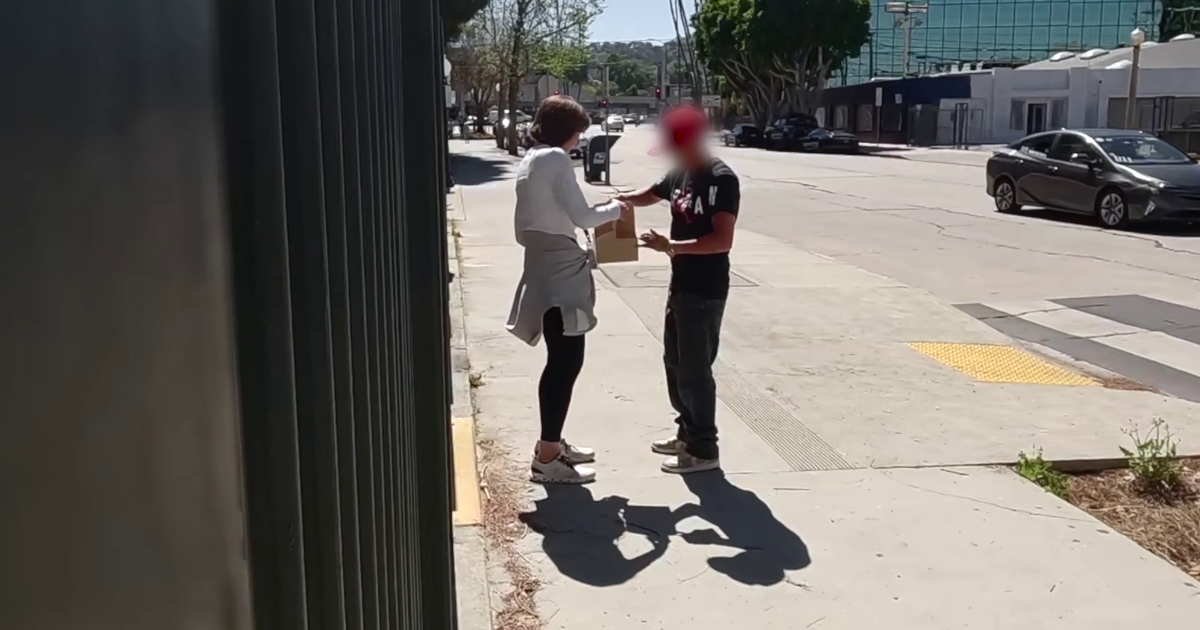
A CBS News California investigation found delivery and ride-hailing app accounts being offered for rent or sale on social media, which can let people bypass account-level background checks. Test orders showed that in roughly one-quarter of cases the person who arrived did not match the photo shown in the app. The report included a customer account of an attempted forced entry by a driver who arrived under a different identity than the app indicated. Assemblywoman Laurie Davies — author of a California law requiring apps to display a driver's first name and photo — told reporters she is exploring stronger safeguards and penalties to prevent account sharing and fraud. DoorDash, Uber and Lyft said they remove account holders found committing fraud; Meta said it removed violating listings identified by the investigation.
Biblical Reflection
The investigation highlights a real gap between platform identity displays and who actually appears at a customer's door. The article presents concrete evidence (test orders and online listings) and a compelling anecdote, so its central claim is credible though the anecdote may heighten emotional concern. The story raises questions about corporate responsibility, regulatory oversight, and practical protections for vulnerable people. From a Christian perspective, this calls us to seek both truth and justice: truth in carefully assessing evidence and scope, and justice in protecting neighbors from harm — especially those most at risk when a stranger arrives at their home. Christians should resist fear-driven reactions that stigmatize gig workers broadly; many honest drivers rely on this work and will be harmed by blanket distrust. At the same time, advocating for fair but effective verification, stronger penalties for fraud, and compassionate policies that protect victims and hold bad actors accountable aligns with biblical calls to safeguard the vulnerable and pursue honest commerce.
Scripture in context
This outlook does not yet include contextual Scripture citations. Do not treat a general biblical theme as an exegetical conclusion.
Faithful Response
No prescribed response is offered. Consider the reflection prompts below in your own church context.
Reflection and Discussion
- 1How much should we trust app-displayed identity without stronger technological or legal verification, and who should bear responsibility for fixing that gap?
- 2Are we balancing protection of vulnerable customers with fair treatment of gig workers, or letting fear create overbroad solutions?
- 3Does the evidence shown (test orders, online listings) justify urgent legislative action, and what safeguards would be effective without unintended harm?
Sources
Reporting links are evidence inputs; Sanctuary News' biblical reflection is commentary.
This outlook currently relies on fewer than two linked sources. Broaden verification before teaching from it.
- 1.Original reportprimary