News Summary
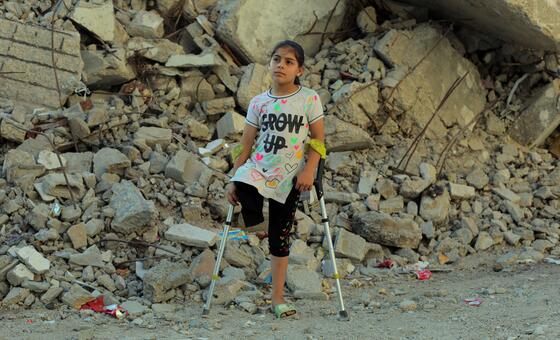
UN News (13 Aug 2026) reported that new satellite assessments, as presented by UN agencies, show the destruction of buildings in the Gaza Strip climbed by nearly 10 percent since an October ceasefire. The same UN reporting described the ceasefire as 'faltering', said the two‑year war had reduced cities to rubble, and reported that more than one million people have been displaced. The item attributes the figures to UN agencies and to satellite analysis but does not publish the underlying satellite methodology, name the specific agencies involved, or provide a geographic and temporal breakdown of the additional damage.
Source and Framing Analysis
The reporting is explicitly attributed to UN agencies and to 'new satellite assessments' and therefore rests on institutional monitoring plus remote sensing. This gives the piece credibility, but important uncertainties remain: the article does not identify which UN agencies produced the assessment, which satellites or analytic methods were used, what baseline was measured in October, whether the 'nearly 10 percent' applies to entire Gaza or to a subset of areas, or the margin of error. The characterization 'faltering ceasefire' conveys instability but is a framing choice that signals ongoing hostilities without documenting specific incidents or responsible actors. Readers should treat the quantitative claims as provisional until technical details or independent corroboration are released. For responsible follow-up, seek the UN agencies' original assessment, satellite-data metadata, and independent analyses from satellite analysts or other monitoring groups.
How sources covered this story
Sanctuary separately assesses reporting quality and alignment with Christian virtues. The virtues assessment considers truthfulness, dignity, compassion, justice, peacemaking, humility, and care for vulnerable people. It does not assess a publisher's faith or reward religious language.
Compare 1 reports
Reporting 72/100Virtues 80/100
- Distinctive contribution
- Provides a quantified change in destruction (nearly 10% increase) since the October ceasefire and cites satellite assessments plus a displacement estimate (>1 million), details that add specificity to general reporting about damage in Gaza.
- Framing
- Humanitarian and damage-centered framing: presents the information as an assessment by UN agencies using satellite data, characterizing the ceasefire as 'faltering' and emphasizing destruction and large-scale displacement.
- Omissions or uncertainty
- No methodological detail about the satellite assessments (which satellites, analytic methods, time points, geographic scope, or error margins); does not name the specific UN agencies; 'nearly 10 per cent' is imprecise; timeframe reference is vague beyond 'since October'; possible grammatical ambiguity about the ceasefire description.
- Why these scores
- Concise, attributed to UN agencies and grounded in an observable data source (satellite assessments), which supports credibility. Falls short of higher scores because the excerpt omits key methodological and scope details (which agencies, exact dates, baseline figures, uncertainty/error), and contains a minor clarity/grammar issue. Appropriate as a brief situational update but limited for in-depth analysis. The excerpt highlights human suffering (displacement, destruction) and is framed in a neutral, non-dehumanizing way, which aligns with compassion, care for the vulnerable, and truthfulness. It does not sensationalize or vilify parties; however, it provides limited context about causes or responses, so it stops short of exemplary restorative or justice-centered reporting.
Biblical Reflection
Christians are called to respond from lament, compassion, and a commitment to truth. The facts reported—rising destruction and large-scale displacement—should move the church to mourn with those who grieve, to protect and care for vulnerable neighbors, and to press for measures that shield civilians. Wisdom requires resisting partisan simplifications: uphold the dignity of every affected person, advocate for reliable humanitarian access and durable protection for civilians, support evidence‑based accountability rather than rumor, and pair prayer with practical relief. Scripture frames this posture of mercy, justice, humility, and peacemaking, urging the church to be a shelter for the broken and a voice for refugee care even amid political complexity.
Scripture in context
- 1Psalm 34:18 — A wisdom/poetic passage expressing God's nearness to the brokenhearted and those crushed in spirit in the context of lament and trust. — This passage calls Christians to stand near the suffering in grief and prayer, acknowledging God’s presence amid loss rather than offering quick fixes or partisan certainty.
- 2Luke 10:25–37 (Parable of the Good Samaritan) — A teaching of Jesus illustrating neighbor-love that crosses ethnic and social boundaries; it challenges hearers to render practical care to those in need regardless of identity. — The parable grounds a Christian response to this report: active compassion for displaced and injured neighbors, practical relief, and a willingness to cross political and cultural lines to serve human need.
Faithful Response
Pray publicly and privately for civilians, displaced families, aid workers, and peacemakers; make space for communal lament.
Support vetted humanitarian organizations providing shelter, food, medical care, and protection to displaced Palestinians in Gaza and nearby host communities.
Seek verified information: request the UN agencies' full assessment and satellite- data metadata; follow independent analysts before drawing firm conclusions about scope or causation.
Advocate with policymakers and church networks for unimpeded humanitarian access, protection of civilians, and durable ceasefire provisions that reduce further harm.
Provide trauma‑informed pastoral care for congregants with connections to the conflict and create safe forums for grief that avoid partisan escalation.
Reflection and Discussion
- 1How does Scripture shape my balance between truthful reporting, compassionate action, and prudent judgment when conflict harms civilians?
- 2Am I willing to mourn with people whose political views I disagree with, and how does that mourning translate into concrete care?
- 3What further information (methodology, independent verification, geographic details) would change how I prioritize responses to this report?
- 4How can my church participate in long-term restoration and reconciliation rather than only short-term relief?
Sources
Reporting links are evidence inputs; Sanctuary News' biblical reflection is commentary.
This outlook currently relies on fewer than two linked sources. Broaden verification before teaching from it.
- 1.Gaza: Destruction of buildings rises by nearly 10 per cent since ceasefireofficial_document