News Summary
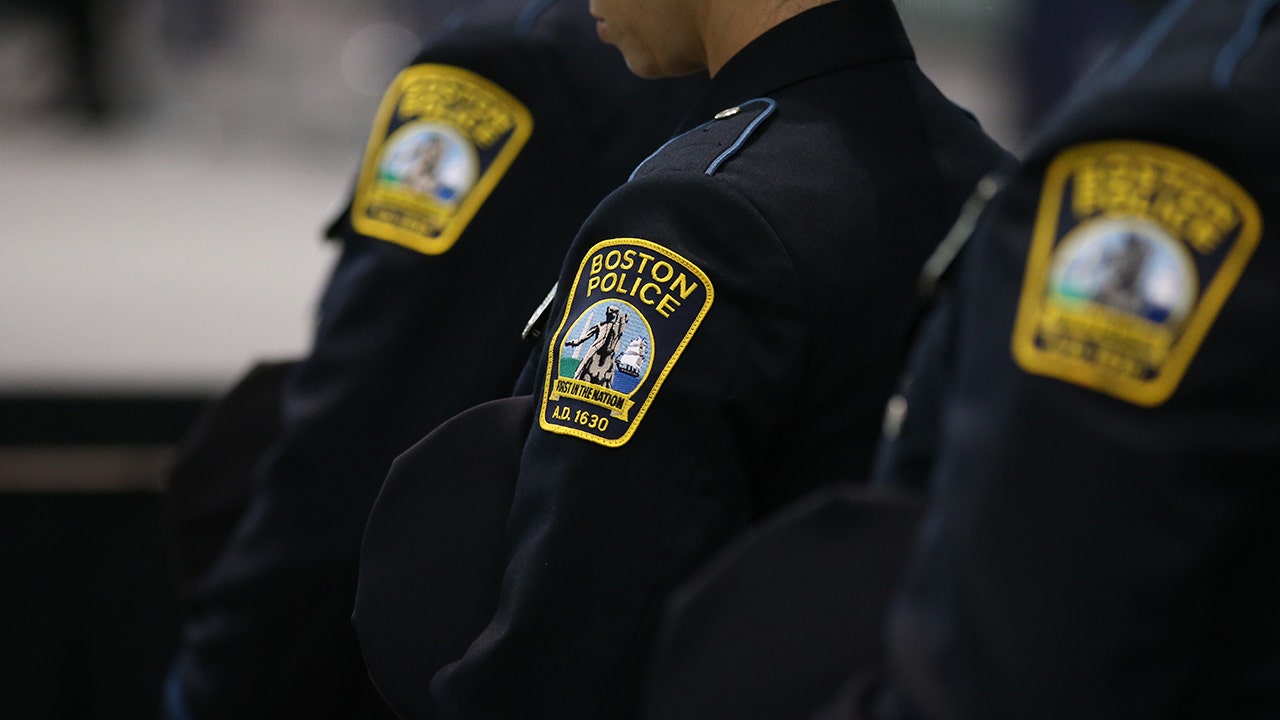
Suffolk County prosecutors charged 33-year-old Boston Officer Nicholas O'Malley with voluntary manslaughter after he shot and killed 39-year-old Stephenson King during a response to a reported carjacking on Tremont Street. Authorities say officers approached a running stolen vehicle with firearms drawn and ordered King to show his hands, shut off the car, and unlock the doors. Prosecutors allege King partially raised his hands and opened his window at times but did not fully comply. According to charging documents, O'Malley warned he would shoot, then fired three shots through the driver's side window as the vehicle moved, striking King. King crashed shortly afterward and later died; investigators report no weapon was found on him or in the car. O'Malley later claimed he believed King had tried to run over officers, but body camera footage and witness accounts reportedly did not support that belief, and prosecutors say his belief was not reasonable under the circumstances. Massachusetts law restricts officers from firing at moving vehicles unless necessary to prevent imminent harm and requires proportionality of force. O'Malley pleaded not guilty at arraignment, was released on his own recognizance after surrendering firearms, and is due back in court in May. Prosecutors have said bodycam video exists but will not be publicly released during the ongoing investigation.
Biblical Reflection
Viewed through Scripture, this story raises urgent moral concerns about the sanctity of life, truth, and accountability. The killing of a human being—whether suspected of a crime or not—calls for careful pursuit of truth and measured justice (Proverbs 21:15). The prosecutors' conclusion that the officer's belief in imminent danger was unreasonable points to a failure of prudence and restraint, virtues Scripture commends (Proverbs 14:29; James 1:19). At the same time, the biblical witness warns against snap judgments and false witness; due process and patient investigation are necessary to avoid harming the innocent (Exodus 23:1–2). Christians are called both to seek justice for victims and to show compassion for those who have erred, including public servants who may have acted out of fear or poor training (Micah 6:8). This case also surfaces broader communal and systemic questions: how do our institutions train and hold officers accountable, how are the vulnerable protected, and how does the community grieve and pursue reconciliation? The church's role is to pray for truth, comfort the grieving, urge repentance where wrongdoing is found, and work toward reforms that protect life and cultivate trust. We must resist tribalism—automatically defending 'one of ours' or condemning 'the other'—and instead press for transparency, proportionality, and restorative measures where possible. True justice seeks both accountability and the restoration of human dignity.
Scripture in context
This outlook does not yet include contextual Scripture citations. Do not treat a general biblical theme as an exegetical conclusion.
Faithful Response
No prescribed response is offered. Consider the reflection prompts below in your own church context.
Reflection and Discussion
- 1When I hear about violence by those in authority, do I first seek truth and justice or do I default to defending my side?
- 2How can I pray for and practically support both the grieving family and those charged with protecting public safety without excusing wrongdoing?
- 3What steps can my church or community take to promote accountability, de-escalation training, and healing after incidents of police violence?
Sources
Reporting links are evidence inputs; Sanctuary News' biblical reflection is commentary.
This outlook currently relies on fewer than two linked sources. Broaden verification before teaching from it.
- 1.Original reportprimary