News Summary
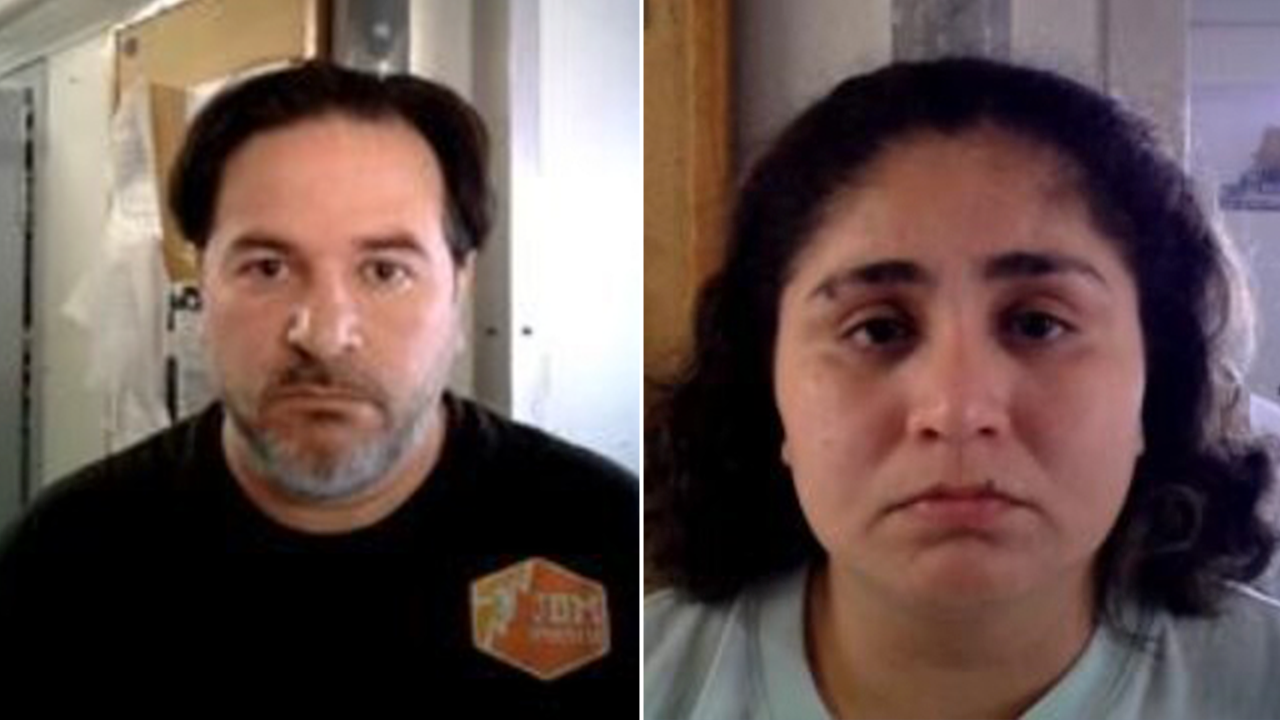
The Department of Homeland Security confirmed that U.S. Border Patrol agents in the San Diego Sector arrested two Mexican nationals in California who were wanted in Mexico: Silvia Del Rosario Torres-Castro, wanted for homicide, was arrested Feb. 26 in Anaheim after coordinated surveillance and turned over to Mexico’s Fiscalía General de la República (FGR); Salvador Suazo-Garcia, wanted for lewd and lascivious acts upon a child, was arrested March 6 in Lemon Grove, processed administratively, and also transferred to Mexico’s FGR. DHS stated Torres-Castro entered the U.S. illegally in December 2023 through the Imperial Beach Border Patrol area; Suazo-Garcia entered legally in May 2021 but had his visa revoked due to the Mexican warrants. DHS officials and Acting Assistant Secretary Lauren Bis emphasized that law enforcement returned the suspects to Mexico to face justice, and used the arrests to criticize policies they say allowed dangerous individuals to remain in the U.S. The article also opens with a brief note about Sen. Katie Britt criticizing Democrats for delaying Homeland Security funding amid a shutdown.
Biblical Reflection
From a biblical perspective this story touches two clear moral responsibilities: the protection of the vulnerable and the call to show compassion to strangers. Scripture repeatedly commands God’s people to defend those who cannot defend themselves (Proverbs 31:8–9; Psalm 82:3–4) — a duty that especially includes children. When law enforcement acts to remove those accused of violent crimes and to return them to face justice, that aligns with the biblical concern for protecting the innocent and seeking accountability.
At the same time, Scripture insists that we treat foreigners with dignity and love (Leviticus 19:33–34; Matthew 25:35). Christians must resist rhetoric that dehumanizes whole groups of people or uses fear of crime to excuse hatred. The gospel calls us to both justice and mercy (Micah 6:8): to oppose evil and protect the vulnerable while remembering the image of God in every person and avoiding scapegoating.
Practically, that means four pastoral hooks: (1) Affirm the legitimate role of government and law enforcement to restrain evil and pursue justice (Romans 13:1–4). (2) Reject politicizing victims’ suffering for partisan advantage; mourning and justice for victims should not be reduced to talking points. (3) Care for victims and their families with tangible support and prayer, and advocate for systems that prosecute abusers fairly and restore survivors. (4) Hold to a balanced posture in public discourse — demand secure communities and accountable immigration enforcement while advocating humane, truthful, and non-dehumanizing policies toward migrants generally.
This story can prompt the church to act: pray for victims, support local ministries serving trauma survivors and migrants, encourage honest, fact-based civic engagement, and resist the temptation to turn pain into political posture without compassion.
Scripture in context
This outlook does not yet include contextual Scripture citations. Do not treat a general biblical theme as an exegetical conclusion.
Faithful Response
No prescribed response is offered. Consider the reflection prompts below in your own church context.
Reflection and Discussion
- 1How can I, and my church, hold both compassion for migrants and a commitment to the protection of vulnerable people without yielding to fear or dehumanization?
- 2In what practical ways can we support victims of violent and sexual crimes while also advocating for fair, effective systems of justice?
- 3Am I allowing partisan rhetoric to shape my response to stories like this, or am I guided first by Scripture's calls to justice, mercy, and truth?
Sources
Reporting links are evidence inputs; Sanctuary News' biblical reflection is commentary.
This outlook currently relies on fewer than two linked sources. Broaden verification before teaching from it.
- 1.Original reportprimary