News Summary
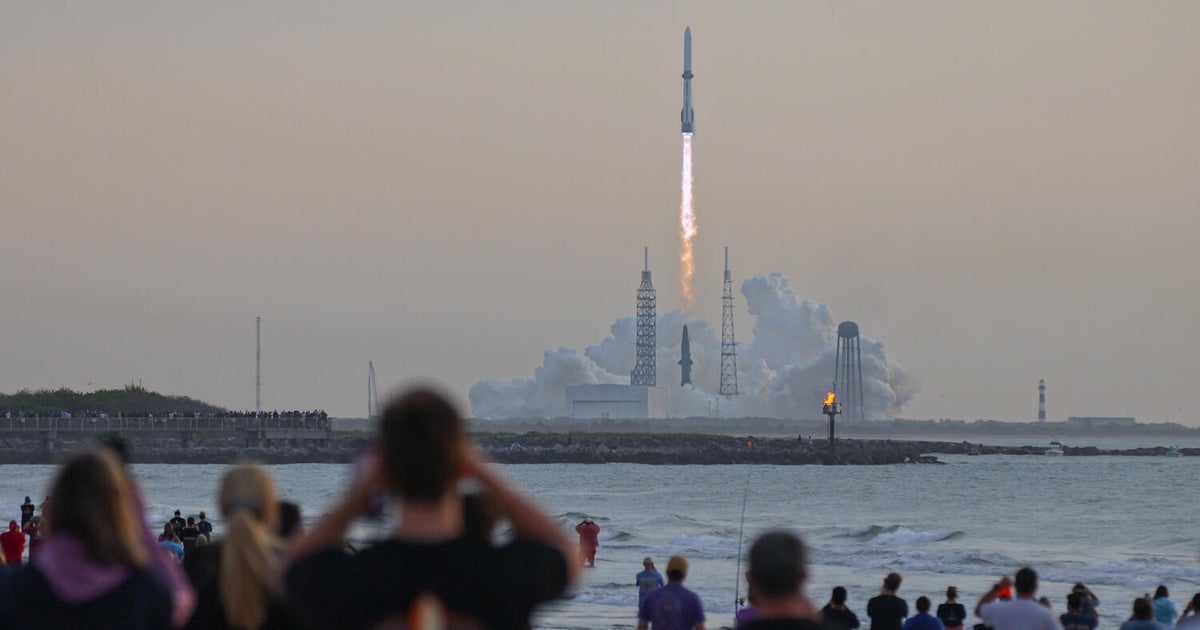
On April 19, 2026, Blue Origin launched its third New Glenn rocket (NG-3) from Cape Canaveral, using a previously flown first stage. The first stage performed as planned and successfully landed on Blue Origin's downrange barge. The rocket's second stage initially fired, but the payload—a direct-to-cellphone communications satellite (AST SpaceMobile's BlueBird 7)—was placed into a lower-than-planned orbit. AST SpaceMobile stated that the satellite separated and powered on but its onboard propulsion could not raise it to the intended altitude, and it subsequently de-orbited. Blue Origin acknowledged an off-nominal orbit and said it was assessing the situation; it did not specify whether a planned second burn of the upper stage occurred or completed. AST SpaceMobile said the satellite was fully insured. Blue Origin and AST SpaceMobile plan future launches and constellation deployments, but Blue Origin said the results of an investigation into the upper-stage anomaly will affect upcoming missions.
Biblical Reflection
This report describes a technical failure with real financial and operational consequences but does so without clear attribution of cause pending investigation. The article highlights both a successful reused booster recovery and an upper-stage failure that rendered a satellite unusable. From a Christian perspective several themes stand out: human ingenuity and the drive to expand knowledge and provide services (such as global communications) are gifts and can be used for good stewardship, but technological success is never certain. The piece leans toward factual reporting; however, phrases about head-to-head competition with SpaceX and plans for Amazon LEO introduce a broader business frame that can color readers' perception of the failure as a strategic setback rather than a technical anomaly. Christians should notice (1) the importance of humility and accountability in high-stakes ventures—public companies owe prompt transparency and careful investigation; (2) stewardship responsibilities when resources and human labor are put at risk; and (3) the need to resist quick judgment or sensationalizing a complex engineering failure. Practically, Scripture calls us to wise planning and honest reporting (counting the cost, admitting limits) while recognizing that uncertainty remains until an investigation produces facts. The article's account appears consistent with available information but leaves open technical questions about the second-stage burn and whether procedural or design issues will be found. Readers should withhold definitive conclusions until technical review, attend to the human costs and responsibilities involved, and pray for truthful findings and wise stewardship of technological power.
Scripture in context
This outlook does not yet include contextual Scripture citations. Do not treat a general biblical theme as an exegetical conclusion.
Faithful Response
No prescribed response is offered. Consider the reflection prompts below in your own church context.
Reflection and Discussion
- 1What assumptions about control and certainty does the article make or invite us to make about large technological projects, and how should Christians temper those assumptions?
- 2Where does the article prioritize business competition or strategic framing over technical and human details, and how might that shape public perception of responsibility and accountability?
Sources
Reporting links are evidence inputs; Sanctuary News' biblical reflection is commentary.
This outlook currently relies on fewer than two linked sources. Broaden verification before teaching from it.
- 1.Original reportprimary