News Summary
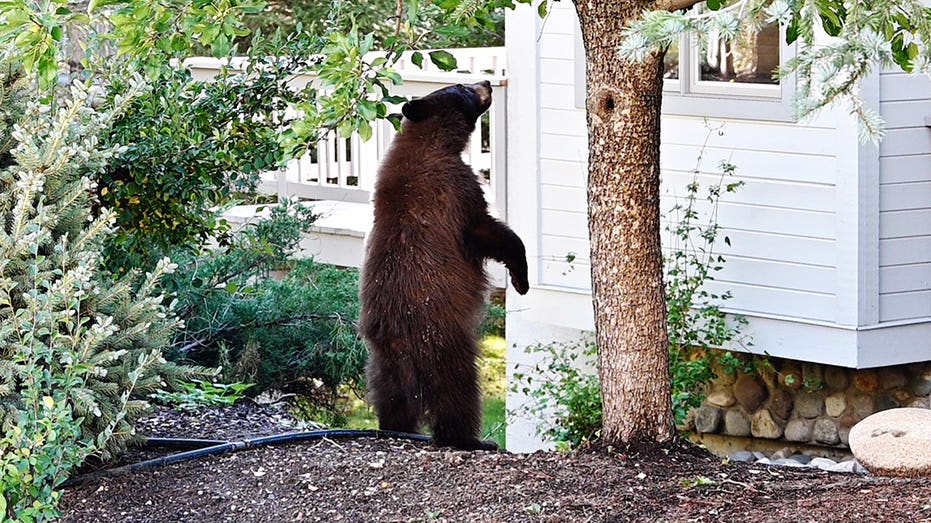
Reported facts: The Fox News travel piece states that black bears have been entering Lake Tahoe homes and that homeowners are spending thousands on deterrents such as electric mats and reinforced doors. Attributed claims: The article characterizes the situation as a "surge" in bear break-ins this year and reports that locals are fortifying homes in response. Uncertainty: The supplied article does not include incident counts, dates, official wildlife-agency statistics, injury reports, or detailed cost breakdowns to corroborate the scale of the surge or quantify expenditures.
Source and Framing Analysis
The story is presented as a local human-wildlife conflict and emphasizes homeowner expense and defensive measures. Key framing choices that affect interpretation: the use of the word "surge" implies a notable increase but is not backed by comparative data in the supplied text; anecdotes about spending and fortification may give a sense of urgency without showing frequency, geography, or root causes (e.g., food attractants, seasonal behavior, drought, development). The article relies on reporting rather than on cited official statistics or scientific analysis, leaving material uncertainty about scale and cause.
Biblical Reflection
This report raises two sets of Christian concerns: practical care for people and faithful stewardship of creation. Protecting families, children, and pets from dangerous wildlife is a legitimate, moral priority—Jesus’ ethic calls for loving and safeguarding our neighbors. At the same time, Scripture and Christian tradition encourage responsible stewardship of the created order: animals are part of God's care and often bear the consequences of human choices like habitat change, attractants from food waste, or seasonal pressures.
The piece leans toward an anxiety-driven human-centered response (fortify, spend thousands) without exploring upstream causes or nonlethal, communal responses that could reduce conflict. Christians should resist simple either/or thinking and pursue both mercy and prudence: support practical safety measures, advocate for coordinated solutions (wildlife agency involvement, community attractant control, public education), and avoid demonizing animals or ignoring how human behavior contributes to conflict. Humility is important—acknowledge uncertainty in the reporting and prioritize reconciliation between human needs and ecological realities.
Scripture in context
- 1Proverbs 12:10 — Proverbs is wisdom literature that contrasts righteous and foolish behavior in everyday life; verses about a righteous person's treatment of animals appear amid instructions on practical, moral living. — This verse supports the idea of responsible care for animals as part of righteous living; applied here, it suggests Christians should pursue solutions that protect people while not endorsing cruelty toward wildlife—favoring stewardship, humane deterrence, and seeking remedies that address root causes of conflict.
Faithful Response
Pray and seek calm discernment before responding with fear-driven spending; ask God for wisdom in protecting your household and community.
Reduce attractants and follow local wildlife-agency guidance: secure trash, remove outdoor food sources, and store pet food indoors.
Use nonlethal deterrents and safety measures recommended by wildlife professionals (bear-proof containers, reinforced doors, electric mats used safely), and share vetted resources with neighbors.
Support or coordinate community responses—neighborhood education, reporting incidents to wildlife authorities, and mutual aid for vulnerable neighbors who cannot afford upgrades.
Reflection and Discussion
- 1How does your faith shape what you prioritize when neighbors face safety risks from wildlife—immediate protection, root-cause prevention, or both?
- 2What practical steps can our congregation encourage that show compassion for people and responsible care for animals in this situation?
- 3Where might human choices (development, waste management, recreation) be contributing to wildlife conflicts, and how should Christians address those upstream factors?
Sources
Reporting links are evidence inputs; Sanctuary News' biblical reflection is commentary.
This outlook currently relies on fewer than two linked sources. Broaden verification before teaching from it.
- 1.Black bears invade Lake Tahoe homes as break-ins surge and locals fortify defensesprimary_reporting