News Summary
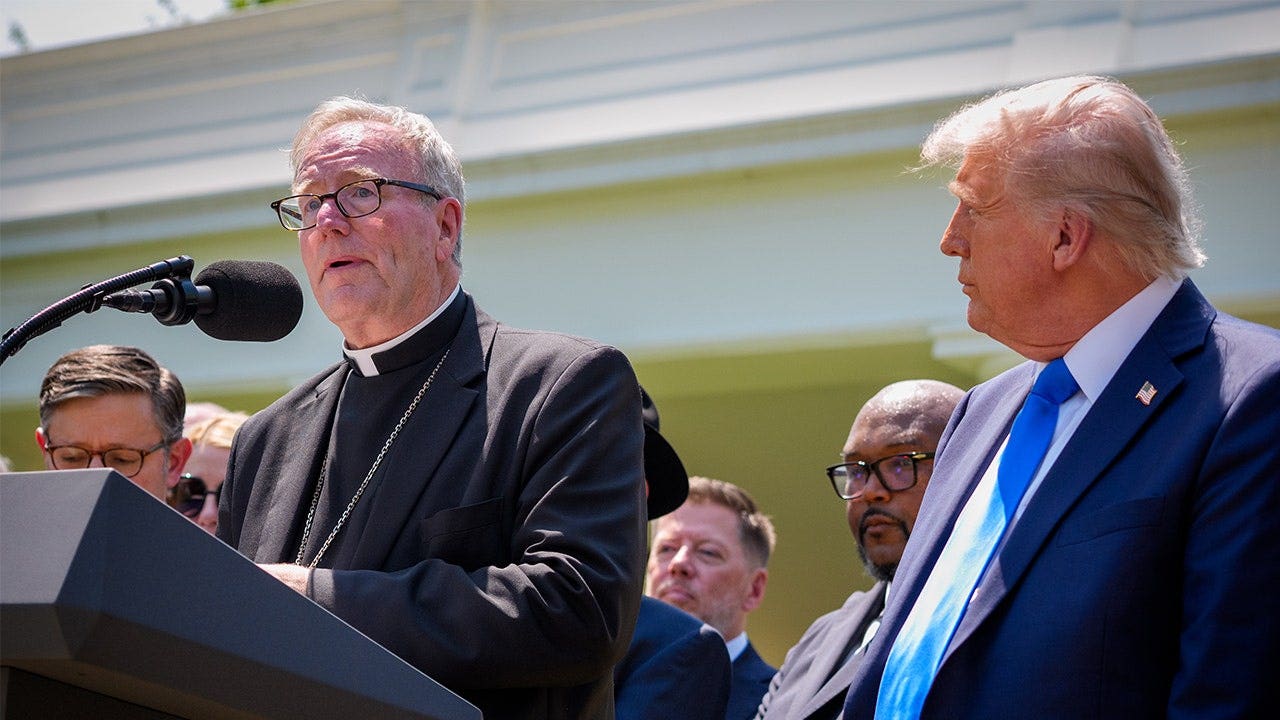
President Donald Trump posted a series of critical messages on Truth Social attacking Pope Leo XIV’s positions on crime, foreign policy and the Iran war, calling the pope "weak" and making personal comparisons to the pope’s brother. Bishop Robert Barron responded on X (formerly Twitter) that the president’s statements were inappropriate and disrespectful and that Trump "owes the Pope an apology." Barron recommended that Catholics in the administration (naming Secretary Rubio, Vice President Vance, Ambassador Brian Burch and others) meet with Vatican officials for dialogue rather than airing grievances on social media. Barron also acknowledged the Trump administration’s outreach to people of faith and its record on religious liberty. The Vatican and Pope Leo XIV publicly said they were not afraid of the administration; the pope reiterated the church’s emphasis on peacemaking. Catholic commentators such as Ashley McGuire of The Catholic Association criticized Trump’s remarks and urged an apology. Fox News reached out to the White House, which referred back to Trump’s Truth Social posts.
Biblical Reflection
From a Christian perspective this episode raises two related concerns: the tone of public discourse among Christian leaders and the proper relationship between political power and ecclesial authority. Scripture calls believers to speak truthfully but in love; public, personal attacks on a religious leader risk sowing division, hardening partisan loyalties, and confusing the pastoral role of the pope with partisan political aims. Bishop Barron’s response emphasizes restorative action—private dialogue and reconciliation—rather than escalating conflict on social media, a stance consistent with Christian practices of reconciliation (Matthew 18) and the New Testament ethic for speech (Ephesians 4). At the same time, disagreements about policy and national security are real and legitimate; the Bible does not forbid Christians from critiquing public policy. The wise Christian posture is to distinguish principled policy critique from rhetorical denigration, to prefer face-to-face or measured institutional engagement when possible, and to protect the church’s moral independence from being reduced to a partisan instrument. Media coverage that highlights conflict and quotable insults can amplify polarization; readers should note how the platform (Truth Social), quoted language, and choice of commentators shape the story’s emotional register. In short: pursue truth and justice, but preserve charity and humility in public speech, especially when engaging with spiritual leaders.
Scripture in context
This outlook does not yet include contextual Scripture citations. Do not treat a general biblical theme as an exegetical conclusion.
Faithful Response
No prescribed response is offered. Consider the reflection prompts below in your own church context.
Reflection and Discussion
- 1Are the criticisms in this story framed as principled policy disagreements or as personal attacks—and how does that framing affect the church's witness?
- 2How does use of social media by political and religious figures change the way disputes are settled, and what practices would better reflect Christian convictions about reconciliation?
- 3When political leaders and church leaders disagree, how should Christians balance respect for ecclesial authority with legitimate civic critique?
Sources
Reporting links are evidence inputs; Sanctuary News' biblical reflection is commentary.
This outlook currently relies on fewer than two linked sources. Broaden verification before teaching from it.
- 1.Original reportprimary