News Summary
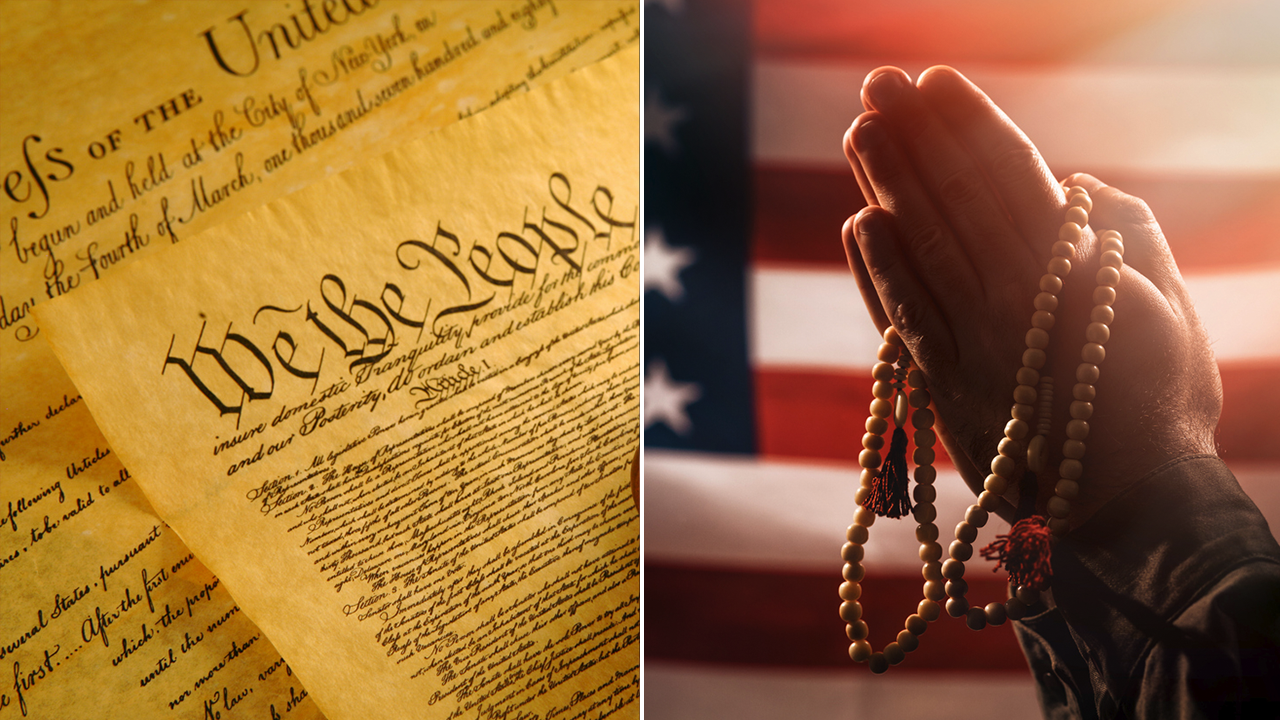
Bishop Robert Barron says he accepted a White House invitation about a year ago to serve on the Presidential Commission on Religious Liberty. The commission, chaired by Texas Lt. Gov. Dan Patrick, worked for roughly a year identifying alleged violations and threats to religious freedom in areas such as health care, education and the military, and examined church-state relations and rising antisemitism. Barron reports that commissioners heard witness testimony, debated jurisprudential issues (including the historical use of Thomas Jefferson's 'wall' metaphor), and prepared recommendations for the president. He defends his participation against critics who objected because the commission was formed under then-President Donald Trump or who said clergy should not serve on such bodies, arguing that advisory service differs from implementing administration policy and that he would have accepted a similar invitation from President Biden. Barron cites precedent in clergy serving on presidential commissions and states that his fellow commissioners treated his Catholic perspective with respect. He says the criticisms were largely unfounded and that he is glad he participated.
Biblical Reflection
From a Christian perspective, Barron's account raises several constructive points and cautions. Theologically and historically, Christians have engaged government both as prophets (speaking truth to power) and as advisers (shaping policy without surrendering ecclesial identity). Barron's willingness to serve reflects that tradition and the valid pastoral concern to protect conscience rights so churches and believers can continue to bear witness. His critique of a strict 'wall' separating religion from public life is a reminder that religious expression is not inherently private and that First Amendment protections include free exercise, not only non-establishment.
At the same time, Christians should weigh two risks. First is the appearance (or reality) of partisan entanglement: close association with a particular administration can undermine the church's prophetic credibility across the wider public and with fellow Christians who disagree politically. Second is the risk of conflating protecting religious liberty with adopting a political program; faithful engagement requires maintaining a clear distinction between offering moral counsel and implementing partisan agendas.
Barron's framing of cultural threats as a 'culture of self-invention' highlights a genuine philosophical challenge to objective moral claims and to institutions shaped by religious convictions. That critique aligns with longstanding Christian concerns about moral relativism. But defending religious liberty also requires honest appraisal of conflicting rights and pluralism in a diverse society; protecting conscience does not automatically resolve complex policy trade-offs.
Practically, the story calls Christians to: (1) value participation where they can responsibly advise and protect conscience rights; (2) preserve independence and prophetic voice so the gospel is not reduced to party politics; and (3) evaluate media accounts (this was an opinion piece in a particular outlet) with attention to framing, audience, and motivation. Overall, the article aligns with a biblical mandate to advocate for justice and conscience protections while cautioning believers to guard against idolizing political settlement as the primary means of securing the church's mission.
Scripture in context
This outlook does not yet include contextual Scripture citations. Do not treat a general biblical theme as an exegetical conclusion.
Faithful Response
No prescribed response is offered. Consider the reflection prompts below in your own church context.
Reflection and Discussion
- 1Is the primary aim of religious engagement with government to protect the church's ability to witness, or to achieve specific political outcomes—and how can those aims be kept distinct?
- 2What signs should Christians look for that distinguish faithful advisory service from partisan co-optation of ministry?
- 3How does the media outlet and placement (opinion vs. reporting) shape the framing of this story, and what assumptions should you test because of that framing?
Sources
Reporting links are evidence inputs; Sanctuary News' biblical reflection is commentary.
This outlook currently relies on fewer than two linked sources. Broaden verification before teaching from it.
- 1.Original reportprimary