News Summary
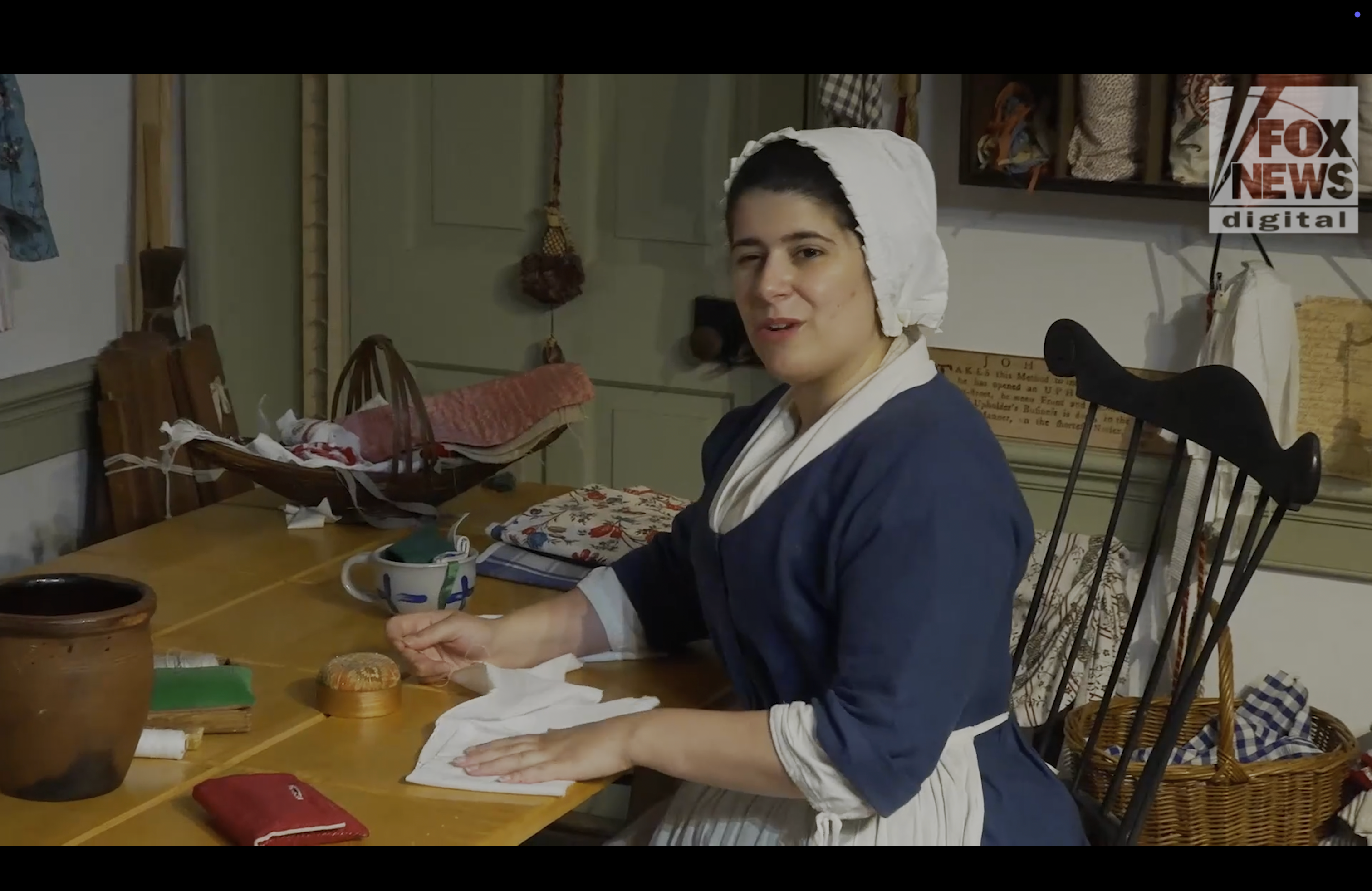
As the United States marks its 250th anniversary, the Betsy Ross House in Philadelphia is revisiting the traditional account that Betsy Ross, a 24-year-old upholsterer, sewed a version of the first American flag in the summer of 1776 after reportedly being approached by a committee that included George Washington. The Betsy Ross House director, Lisa Acker Moulter, described Ross recommending five-pointed stars because they were easier to cut and said Ross likely sewed the flag in secret at home, completing it in about a week. The article notes that making a flag before independence would have been risky under British rule. It summarizes the early design—13 stripes and 13 stars arranged in a circle—and notes the Continental Congress resolution of June 14, 1777, that established that pattern. The piece also states that flags were initially used chiefly on battlefields, forts, and ships, and that the flag became a broader national emblem only later, especially during and after the Civil War. The story’s origins are described as traditional and disputed, and Philadelphia is highlighting these narratives as part of its 250th anniversary observances.
Biblical Reflection
The article presents a familiar patriotic story that honors ordinary contribution and civic symbols. Christians can appreciate the emphasis on humility and service—that an everyday person may have shaped a national emblem—but should also practice careful discernment about popular histories. The piece frames the Betsy Ross account as tradition rather than settled fact, which is honest, yet popular retellings often simplify complex historical realities. From a biblical perspective, celebrating faithful, humble service reflects Christian virtues of stewardship and neighbor-love; at the same time, Christians should resist uncritical myth-making or elevating symbols into idols. The article’s brief nod to a broader cast of contributors (women, immigrants, enslaved people) points toward a more inclusive and truthful retelling, but readers should remain aware that commemorative narratives can omit injustice, contested origins, and the fuller context of founding-era policies. In short: value the story for what it encourages—gratitude for humble service and communal memory—while seeking historical truth, humility, and justice alongside patriotic affection.
Scripture in context
This outlook does not yet include contextual Scripture citations. Do not treat a general biblical theme as an exegetical conclusion.
Faithful Response
No prescribed response is offered. Consider the reflection prompts below in your own church context.
Reflection and Discussion
- 1Which parts of this founding story are presented as tradition rather than documented fact, and why does that distinction matter?
- 2How can reverence for national symbols coexist with honest acknowledgment of the nation’s historical injustices and complexities?
- 3When a cultural narrative emphasizes a unifying story, whose voices or experiences might still be missing from that account?
Sources
Reporting links are evidence inputs; Sanctuary News' biblical reflection is commentary.
This outlook currently relies on fewer than two linked sources. Broaden verification before teaching from it.
- 1.Original reportprimary