News Summary
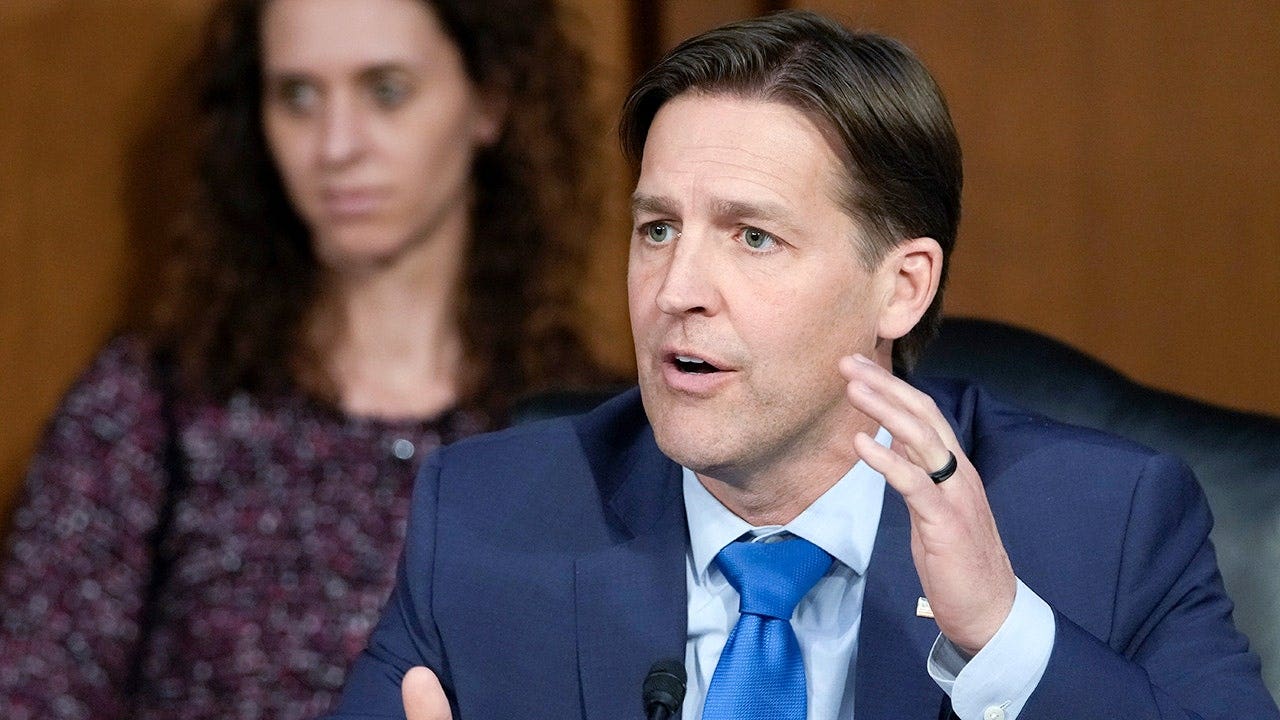
At a Trinity Forum event, former U.S. Sen. Ben Sasse said the rise of the American public school “factory model” was largely intended to separate Catholic children from the influence of their parents and priests. The remarks were highlighted in a Fox News report that also noted guests on Fox & Friends First discussing increased parental interest in Christian-based education. Sasse, who has publicly disclosed a Stage 4 pancreatic cancer diagnosis, expanded on broader education views: he criticized the 40-hour institutional school model, predicted varied future schooling formats (shorter modular blocks, digital learning, community activities), and urged greater emphasis on self-directed learning and entrepreneurial skills for adolescents. The article provides background on Sasse’s public service and recent roles and quotes his remarks without adjudicating the historical claim.
Biblical Reflection
Sasse’s statement frames public schools as intentionally anti-Catholic, a strong claim that mixes a partial historical truth with broad generalization. Historically, 19th-century public schooling in the U.S. often reflected Protestant cultural norms and there were conflicts between public-school reformers and Catholic immigrant communities; these tensions helped spur the growth of Catholic parochial schools. But the public-school movement also had multiple motives — literacy, civic preparation, socialization for an industrializing economy — not a single uniform goal of religious separation. From a Christian pastoral perspective, the claim invites legitimate concern for parental authority and religious formation, which the Church should take seriously. At the same time, Christians are called to pursue truth with humility: avoid caricaturing institutions or assuming malice without evidence. Productive responses include advocating for school options that protect conscience and faith formation, supporting families and congregations in educating children, and engaging public schools charitably where cooperation is possible. Beware rhetoric that deepens distrust or tribalism; the gospel calls for courage in truth-telling and mercy in neighboring across civic institutions.
Scripture in context
This outlook does not yet include contextual Scripture citations. Do not treat a general biblical theme as an exegetical conclusion.
Faithful Response
No prescribed response is offered. Consider the reflection prompts below in your own church context.
Reflection and Discussion
- 1Does the historical record support the claim that public schooling was primarily designed to exclude Catholic influence, or is that a simplified interpretation of a more complex history?
- 2How does framing public schools as intentionally hostile to faith affect Christian witness, community relations, and the case for school choice?
- 3Are we responding to perceived threats to faith formation with truth and charity, or with fear and division?
Sources
Reporting links are evidence inputs; Sanctuary News' biblical reflection is commentary.
This outlook currently relies on fewer than two linked sources. Broaden verification before teaching from it.
- 1.Original reportprimary