News Summary
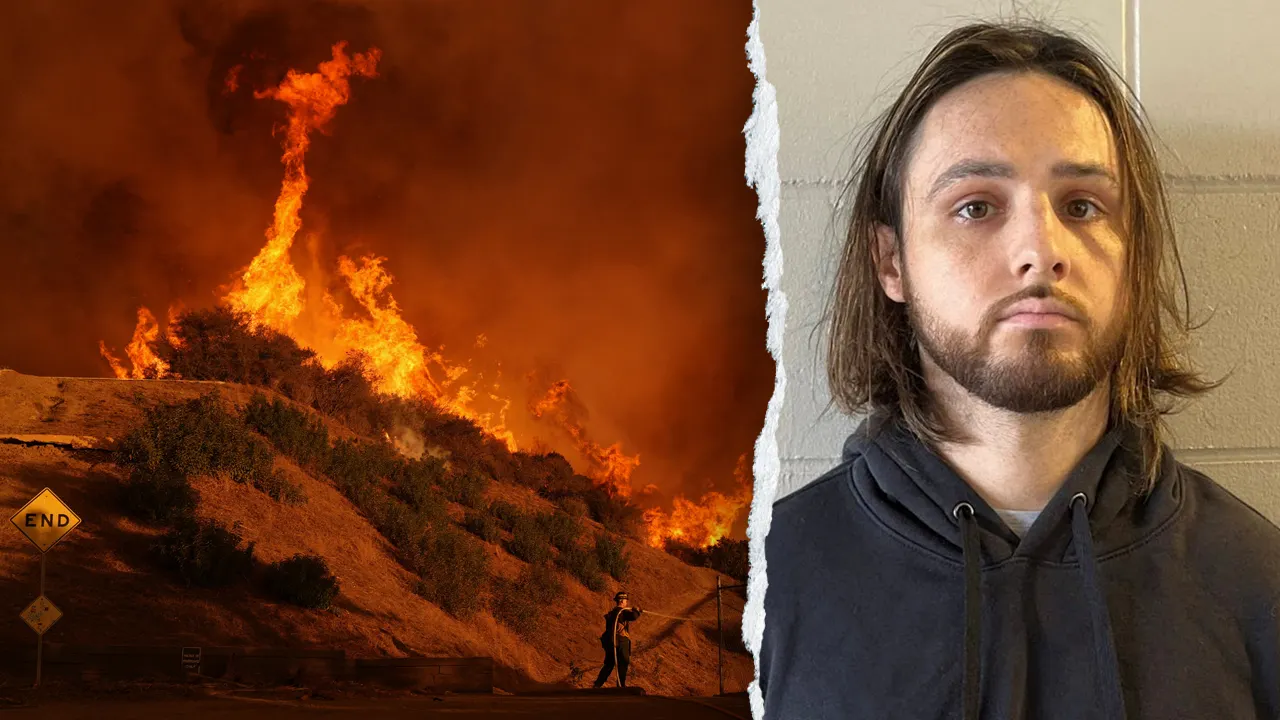
Jonathan Rinderknecht was arrested in October 2025 and is charged federally with destruction of property by means of fire, arson affecting interstate commerce, and setting timber afire in connection with a New Year's Day 2025 blaze that helped fuel the deadly Palisades Fire. The Palisades Fire killed 12 people. At trial, prosecutors presented electronic evidence including cell phone data and screenshots allegedly showing Rinderknecht queried ChatGPT about whether a cigarette could start a fire; the defense contends fireworks started the blaze. Behavioral analyst Kevin Kelm, a former ATF supervisory special agent who worked with the FBI’s Behavioral Analysis Unit, testified that Rinderknecht’s behavior is consistent with someone driven by “societal revenge,” citing witness statements, video, photos, academic literature and other materials. Kelm also said Rinderknecht used ChatGPT to create a dystopian image portraying a barrier between wealthy people and others and that frustration with the AI’s responses reflected inability to cope with stress. Rinderknecht pleaded not guilty; proceedings have included appearances in federal court and testimony addressing motive and electronic evidence. Fox News reported on the testimony and reached out to defense counsel for comment.
Biblical Reflection
From a Christian perspective this story raises two urgent concerns: justice for victims and careful discernment about motives and narratives. The article reports expert psychological interpretation — 'societal revenge' — not a judicial finding; profiling can help investigators but should not substitute for clear evidence in court. The reporting emphasizes electronic traces (cell data, AI queries) that may shape public perception; Christians should be wary of accepting psychological labels or AI-related details as definitive proof without due process. At the same time, the real human cost — lives lost, families grieving, and a community traumatized — demands both accountability and compassion. The piece also points to wider cultural stresses (economic, relational, technological frustration) that can distort hearts and lead to destructive choices; recognizing social brokenness does not excuse violence, but it should prompt the church to care for the vulnerable, address grievance constructively, and support prevention. Finally, the article shows how technology (AI) is entering investigations and public narratives; Christians ought to insist on truthfulness, resist sensationalism, and hold both the accused and the media accountable to honesty and justice while extending mercy to those suffering.
Scripture in context
This outlook does not yet include contextual Scripture citations. Do not treat a general biblical theme as an exegetical conclusion.
Faithful Response
No prescribed response is offered. Consider the reflection prompts below in your own church context.
Reflection and Discussion
- 1Are we treating expert psychological labels and AI-generated material as definitive motives, or are we holding to standards of evidence and due process?
- 2How does framing this as 'societal revenge' shape public sympathy or condemnation — does it clarify causes or simplify complex personal and social brokenness?
- 3What responsibilities do Christians have to support communities harmed by violence while also advocating fair treatment and truthful reporting in high-profile trials?
Sources
Reporting links are evidence inputs; Sanctuary News' biblical reflection is commentary.
This outlook currently relies on fewer than two linked sources. Broaden verification before teaching from it.
- 1.Original reportprimary