News Summary
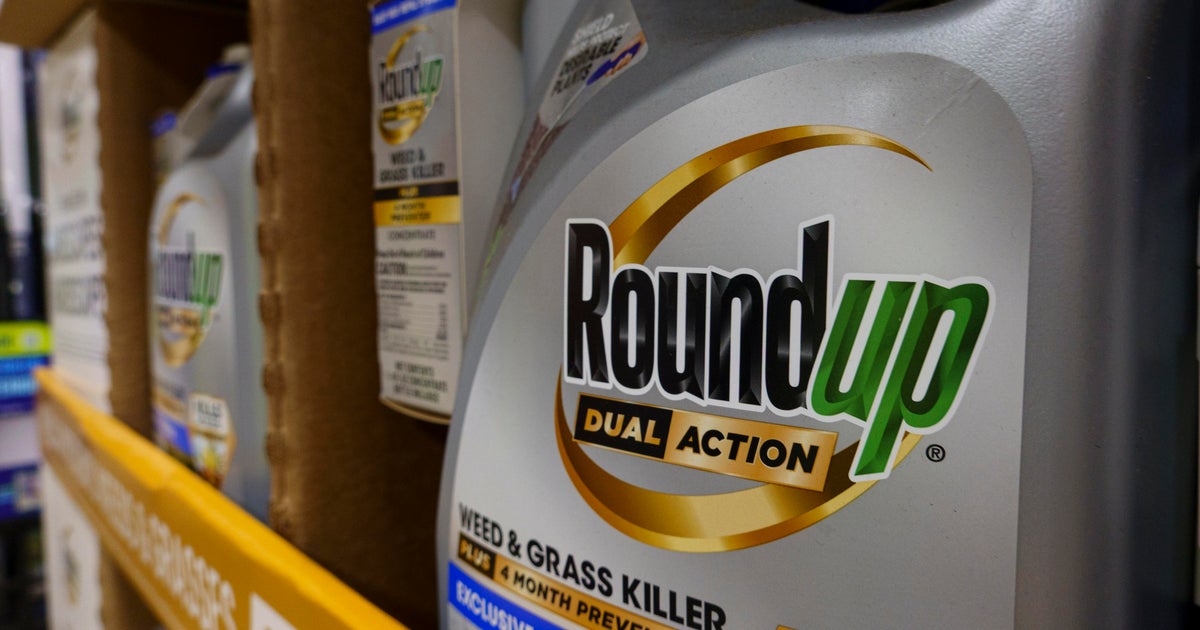
Bayer's Monsanto subsidiary proposed a $7.25 billion settlement to resolve lawsuits by customers who allege the Roundup herbicide caused non-Hodgkin lymphoma. If approved by a court, Monsanto would make annual payments for up to 21 years; people diagnosed with non-Hodgkin lymphoma who were exposed to Roundup before the announcement may file claims. Bayer said the agreement includes no admission of liability or wrongdoing and that these resolutions raise its litigation liability from 7.8 billion euros to 11.8 billion euros. Bayer also said it reached other undisclosed Roundup-related agreements. Since acquiring Monsanto in 2018, Bayer has faced thousands of lawsuits linked to Roundup, previously announcing up to $10.9 billion in settlements in 2020 and being subject to a 2023 jury award of $332 million in one case. Roundup remains available for sale and Bayer maintains its products are safe and have been tested and reviewed.
Biblical Reflection
This report presents a business-legal resolution to long-running public health claims. The settlement process is a common legal mechanism that can provide compensation without an admission of guilt, but it also leaves important questions unresolved for public understanding: whether harms occurred, how they happened, and what changes are needed to prevent future injury. From a Christian perspective this story touches on several moral themes—truth, responsibility, care for the vulnerable, and stewardship of creation. Truth and transparency matter because families seeking justice need clear facts; corporate settlements without admission can relieve financial liability while avoiding full accounting. Mercy and compassion call Christians to care for those harmed by illness and to support fair compensation and long-term care. At the same time, humility and honesty require that institutions and individuals acknowledge mistakes when evidence shows harm and take corrective action. Christians should neither reflexively vilify corporations nor accept corporate statements uncritically; instead we should press for accountability, rigorous science, and policies that protect human health and the environment while offering compassion to victims. Finally, consider how economic pressures, regulatory gaps, and corporate incentives can shape outcomes—advocacy for stronger transparency and stewardship aligns with loving our neighbors and protecting the common good.
Scripture in context
This outlook does not yet include contextual Scripture citations. Do not treat a general biblical theme as an exegetical conclusion.
Faithful Response
No prescribed response is offered. Consider the reflection prompts below in your own church context.
Reflection and Discussion
- 1Does a large settlement without an admission of liability satisfy our need for truth and accountability, or does it leave important questions unanswered?
- 2How should Christians weigh corporate claims of product safety against the lived experiences of people who say they were harmed?
- 3What systemic changes (regulatory, scientific, or corporate) would better protect public health and demonstrate responsible stewardship?
Sources
Reporting links are evidence inputs; Sanctuary News' biblical reflection is commentary.
This outlook currently relies on fewer than two linked sources. Broaden verification before teaching from it.
- 1.Original reportprimary