News Summary
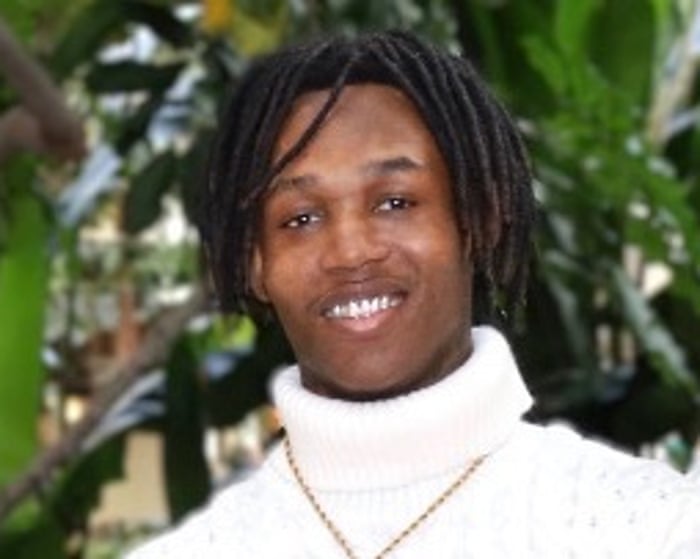
Tennessee National Guard members attached to a federal anti-crime taskforce in Memphis fatally shot 20-year-old Tyrin Johnson in the early morning hours after the Fourth of July. An autopsy report obtained by the Associated Press and reported by The Guardian states Johnson was shot in the back. That finding contradicts statements from authorities that said Johnson turned toward guard members while running and was shot in the chest. The published accounts do not include the full autopsy text, ballistics or scene photos, guard members’ detailed statements, witness testimony, bodycam or other video evidence, or the status of any independent investigation.
Source and Framing Analysis
The Guardian article relies on an autopsy obtained by the Associated Press and frames the central development as a factual contradiction between the autopsy finding (shot in the back) and earlier official statements (shot in the chest while facing guard members). The reporting is newsworthy for highlighting that contradiction and identifies the shooters as Tennessee National Guard members attached to a federal anti-crime taskforce in Memphis. Material uncertainties remain: the article does not publish the autopsy’s full forensic details (entry/exit wound descriptions, trajectory, number of shots, range), does not provide statements from the guard members involved, and does not reference ballistic, video, or independent witness evidence. The framing emphasizes the contradiction but does not claim a final finding of culpability or intent; readers should note the absence of the broader forensic and testimonial record before drawing conclusions. Source attribution is to the Associated Press (autopsy) as reported by The Guardian; disagreements arise between that autopsy account and statements from authorities.
How sources covered this story
Sanctuary separately assesses reporting quality and alignment with Christian virtues. The virtues assessment considers truthfulness, dignity, compassion, justice, peacemaking, humility, and care for vulnerable people. It does not assess a publisher's faith or reward religious language.
Compare 1 reports
Reporting 75/100Virtues 77/100
- Distinctive contribution
- Reports that an autopsy obtained by the Associated Press shows the 20-year-old, Tyrin Johnson, was shot in the back—contradicting authorities' claim that he turned toward guard members and was shot in the chest—and specifies the shooters were Tennessee National Guard members assigned to a federal anti-crime taskforce in Memphis.
- Framing
- The excerpt frames the story as a direct contradiction between the official narrative and forensic evidence, implying possible inaccuracy or mischaracterization in the authorities' account and raising questions about the circumstances of the shooting.
- Omissions or uncertainty
- Does not provide the autopsy's full findings (entry/exit wounds, trajectory, number of shots, range), timing of the autopsy, forensic or ballistic context, eyewitness or bodycam accounts, whether guard members have provided detailed statements, whether any disciplinary or criminal investigations are underway, or whether there are other medical examiner caveats. It also omits names/identities of guard members involved and broader context about the taskforce's rules of engagement.
- Why these scores
- The excerpt responsibly attributes the autopsy to the Associated Press and juxtaposes it with the authorities' stated version, which is appropriate and newsworthy. It is concise and factual in the supplied text. Limitations: the excerpt is brief and lacks forensic detail and fuller context (investigations, sources beyond AP and unnamed 'officials'), which reduces depth but does not undermine the core factual contradiction it reports. The excerpt strives for truth-seeking by reporting a documented contradiction between official statements and an autopsy, which aligns with honesty and justice. It avoids sensational language and does not dehumanize the deceased. Score is not higher because the supplied text offers limited compassionate context (family statements, broader community impact) or explicit concern for dignity and accountability beyond reporting the discrepancy.
Biblical Reflection
This story raises urgent moral and civic concerns. Christians should press for truthful, transparent investigation because the dignity of every human life requires accountability when lethal force is used. When official accounts and medical findings diverge, the church’s calling—to seek truth, defend the vulnerable, and pursue justice with humility—matters practically: families need answers, communities need trust restored, and institutions must be held to lawful and moral standards. At the same time, Christian witness requires restraint from hasty conclusions and slander. Loving our neighbors and pursuing justice are not opposed: we can demand an independent, public accounting while treating those involved—victim’s family, service members, investigators—with compassion. Pray for investigators to be thorough, for leaders to be honest, for the bereaved to be comforted, and for communal healing if trust has been broken.
Scripture in context
- 1Isaiah 1:17 — The prophet calls Israel to repentance by practicing justice and defending the oppressed, contrasting ritual religion with ethical action toward the vulnerable. — This passage grounds a Christian obligation to pursue truthful investigation and to call institutions to account when harm falls on those without power; it supports concrete action to seek justice and care for the harmed in the face of possible official misstatement.
- 2Matthew 5:9 — In the Sermon on the Mount Jesus pronounces blessings on those who embody kingdom virtues and presents peacemaking as a reconciling identity. — Christians are called both to pursue justice and to work for reconciliation—pressing for truth and accountability while seeking remedies that restore community where possible.
Faithful Response
Pray specifically for the victim’s family, those involved in the shooting, investigators, and community leaders.
Support and listen to the bereaved without presuming guilt or excusing wrongdoing; offer practical care (meals, pastoral presence, legal/advocacy referrals).
Advocate for a transparent, independent investigation (public release of forensic details, ballistics, and relevant video when appropriate) and for due legal process.
Avoid amplifying unverified claims on social media; encourage calm, lawful civic responses such as peaceful vigils and public forums.
Model public speech that holds truth and mercy together: insist on accountability while refusing to dehumanize any party involved.
Reflection and Discussion
- 1How should Scripture shape our demand for transparency when official accounts and medical findings differ?
- 2When pursuing justice publicly, how do we hold both truth and mercy in tension in our words and actions?
- 3What practical steps can our congregation take to support the grieving family and to call for a credible, independent investigation?
- 4What signs should we look for to determine whether institutional reforms are needed to prevent similar tragedies?
Sources
Reporting links are evidence inputs; Sanctuary News' biblical reflection is commentary.
This outlook currently relies on fewer than two linked sources. Broaden verification before teaching from it.
- 1.Tennessee national guard fatally shot armed man in back, autopsy showsprimary_reporting