News Summary
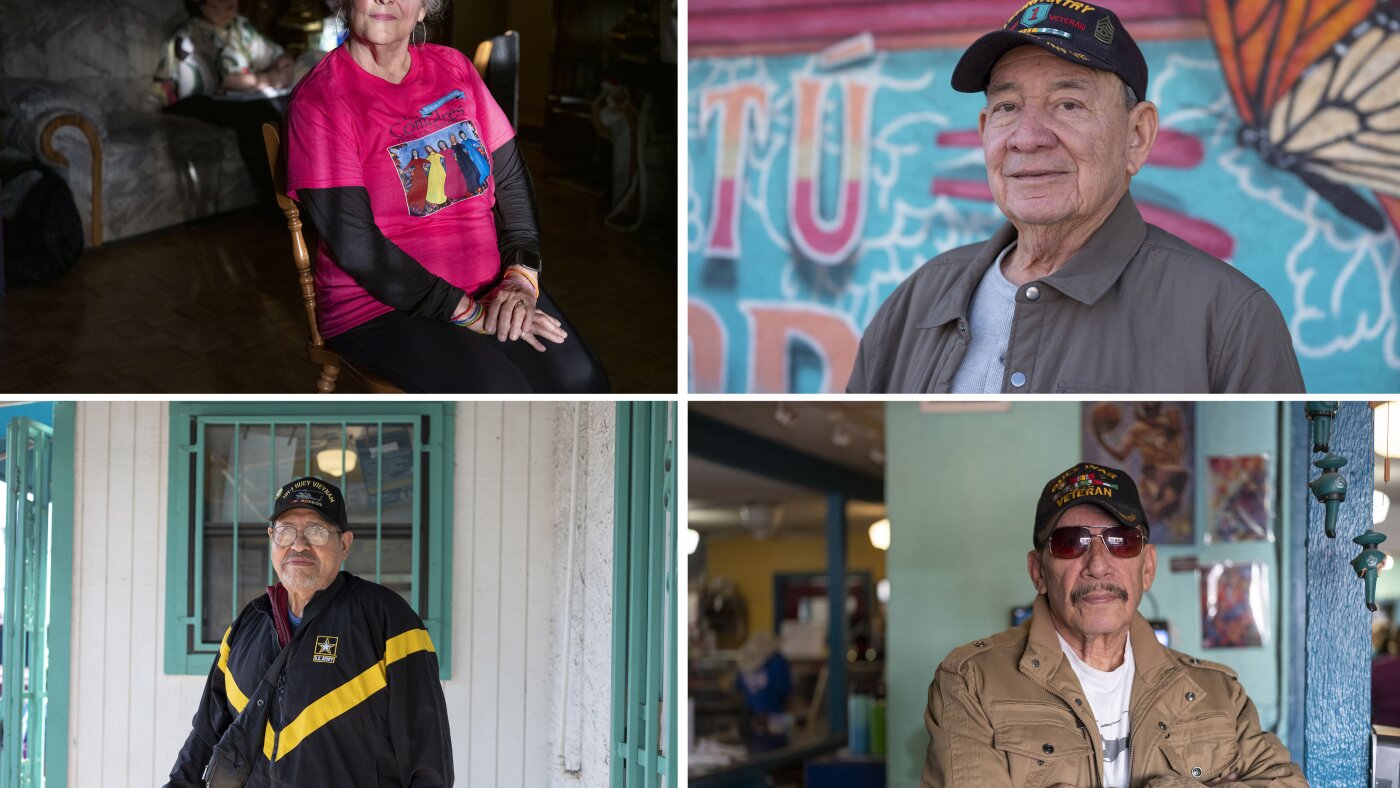
The article explores the complex feelings of belonging and patriotism among U.S.-born and naturalized Latinos as the United States celebrates its 250th birthday. At a gathering of Las Comadres Para Las Americas in Austin, Texas, Latina women discuss their struggles with identity, fear, and exclusion in the face of heightened immigration enforcement and divisive political rhetoric, particularly under the Trump administration. Despite a sense of patriotism, many feel alienated and concerned for their safety, with some conflicted about celebrating the nation’s milestone. The article highlights both the significant contributions Latinos make to the U.S. economy and military, and the pain caused by policies and actions they perceive as unjust. Latino veterans express deep patriotism but lament the current state of the country, expressing hope for a better future while acknowledging ongoing challenges.
Biblical Reflection
From a biblical perspective, the pain of exclusion, fear, and injustice described in the article runs contrary to God’s vision for human community. Scripture teaches that every person is made in the image of God (Genesis 1:27) and that believers are to welcome the stranger, care for the marginalized, and seek justice (Leviticus 19:33-34, Micah 6:8). The experiences of Latinos—feeling unseen, unfairly portrayed, or unsafe—are the kinds of burdens Christ instructs his followers to bear with one another (Galatians 6:2). The celebration of national milestones is an opportunity for gratitude and reflection, but biblically, it must also be a time to lament injustice and work toward unity, hospitality, and reconciliation. The article’s testimony of hope and perseverance among veterans and community leaders is commendable, reflecting the biblical call to persist in doing good and believing for a better future (Romans 12:21). However, the division and discrimination highlighted here should challenge Christians to examine their own attitudes, advocate for justice, and embody Christ’s love for all, especially those on the margins.
Scripture in context
This outlook does not yet include contextual Scripture citations. Do not treat a general biblical theme as an exegetical conclusion.
Faithful Response
No prescribed response is offered. Consider the reflection prompts below in your own church context.
Reflection and Discussion
- 1How can I personally contribute to making my community a place where all people feel seen, safe, and valued?
- 2In what ways might I be called to act justly and show mercy to those who feel marginalized or excluded?
- 3How do my celebrations—national or otherwise—reflect both gratitude and a commitment to justice and reconciliation?
Sources
Reporting links are evidence inputs; Sanctuary News' biblical reflection is commentary.
This outlook currently relies on fewer than two linked sources. Broaden verification before teaching from it.
- 1.Original reportprimary