News Summary
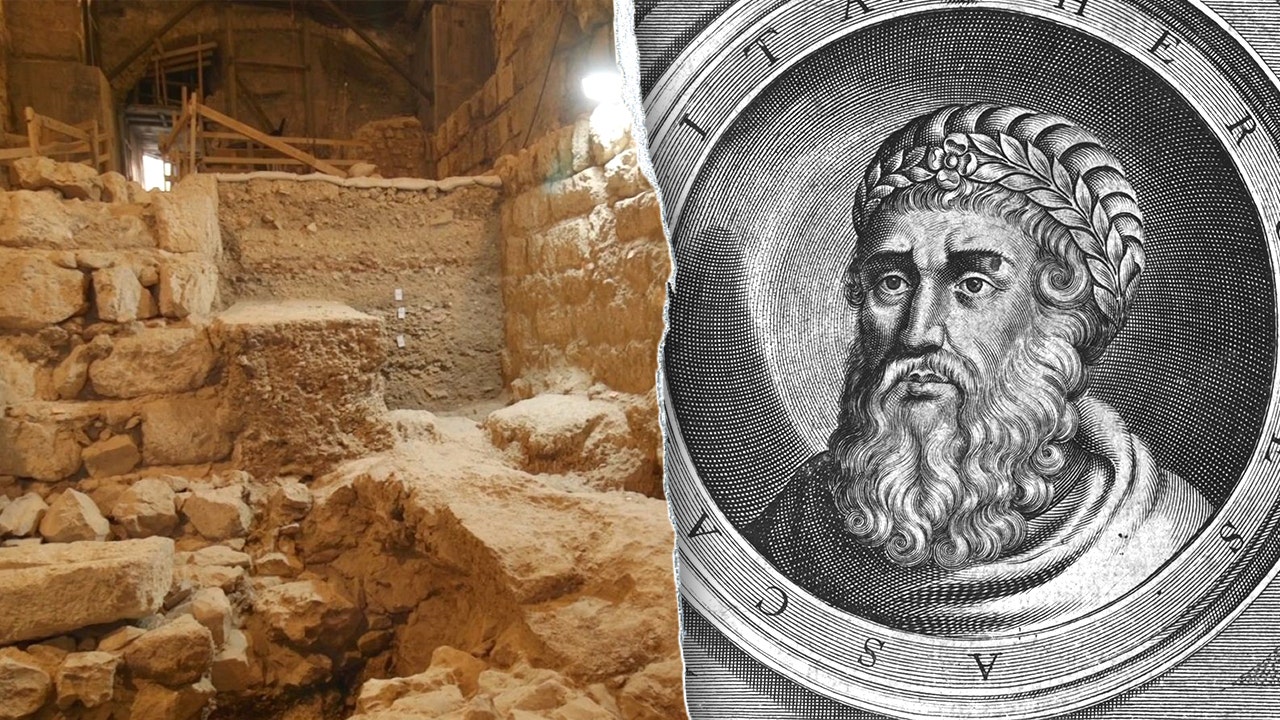
Archaeologists in Jerusalem have uncovered the remains of an extensive city wall dating back to the Hasmonean period, specifically the late second century B.C., during the era remembered in the Hanukkah story. The wall, found in the Tower of David Jerusalem Museum, is over 130 feet long and about 16 feet wide, representing the longest and most intact segment of Jerusalem's Hasmonean-era fortifications. Historical sources, including the Jewish historian Josephus, described the original wall as formidable, with numerous towers. The excavation revealed that the wall was intentionally destroyed, not by natural decay or random attack, but through deliberate action. Two main theories are presented: one, that the Hasmoneans dismantled the wall as part of a peace agreement with Antiochus VII Sidetes, the Seleucid king who besieged Jerusalem; or two, that Herod the Great ordered its demolition to signal the end of the Hasmonean dynasty and assert his own rule. The discovery, including associated artifacts like ancient arrowheads, sheds light on the political and military turmoil of the period. Plans are underway to preserve and display the wall as part of a new museum wing, connecting visitors to Jerusalem's layered history.
Biblical Reflection
This archaeological discovery brings to light a chapter of biblical-era history that is deeply entwined with themes of power, conflict, and shifting allegiances. In Scripture, the history of Jerusalem is repeatedly marked by times of building and tearing down, both physically and spiritually, often as a result of human pride, ambition, or the consequences of turning from God’s ways. The Hasmonean and Herodian eras, which saw cycles of fortification and destruction, reflect the biblical principle that earthly power is fleeting, and human attempts at security—such as city walls—cannot ultimately protect a people whose hearts are divided or given over to internal strife. The intentional demolition of the wall, whether for political appeasement or self-aggrandizement, serves as a sobering reminder that when leaders prioritize their own power or seek favor with the world at the expense of justice and faithfulness, even their greatest works can be razed. Biblical truth calls us to place our ultimate trust not in walls, armies, or political settlements, but in the Lord, who alone is our fortress (Psalm 18:2). The physical remnants of Jerusalem’s turbulent past invite us to reflect on the spiritual state of our own lives: Are we building with integrity on a foundation of faith, or are we vulnerable to the same cycles of pride, compromise, and destruction?
Scripture in context
This outlook does not yet include contextual Scripture citations. Do not treat a general biblical theme as an exegetical conclusion.
Faithful Response
No prescribed response is offered. Consider the reflection prompts below in your own church context.
Reflection and Discussion
- 1What am I trusting in for my own sense of security—my own efforts, or God’s faithfulness?
- 2How can I learn from the cycles of pride and destruction in biblical history to build a life founded on Christ?
- 3What areas of my life need to be surrendered, so that God—not my own ambition or fear—can be my true protector and guide?
Sources
Reporting links are evidence inputs; Sanctuary News' biblical reflection is commentary.
This outlook currently relies on fewer than two linked sources. Broaden verification before teaching from it.
- 1.Original reportprimary