News Summary
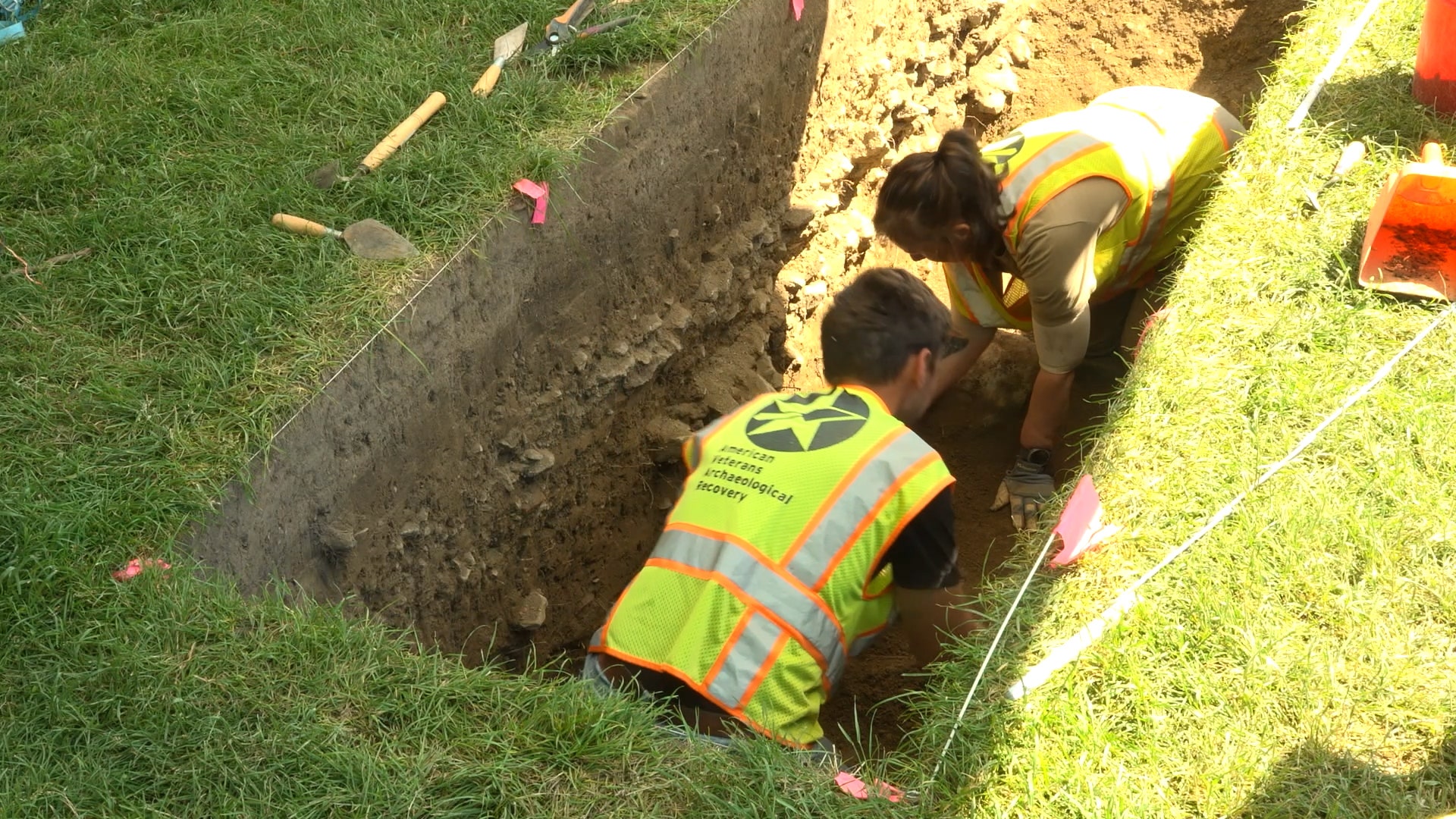
City of Boston archaeologists, working with American Veterans Archaeological Recovery (AVAR), conducted one of the first systematic digs at the Bunker Hill Monument site in Charlestown, Massachusetts, to locate the colonial redoubt built before the June 17, 1775 battle. In trenches opened at the site, teams recovered artifacts including English and French gun flints, musket balls consistent with British ammunition, and other period material. Project archaeologists say these finds may help identify the redoubt’s location and provide new information about the battle’s material culture. AVAR, which trains veterans in battlefield archaeology, will have finds examined in a lab and added to a digital database; the field project initially planned for two weeks may be extended. Leaders emphasized the human cost of the battle and AVAR noted plans to work on other conflict sites, including a World War II bomber site in Sicily, to assist families and broaden historical knowledge.
Biblical Reflection
This story centers on sober historical recovery and scholarly inquiry rather than political controversy. The project’s stated aims—locating a long-elusive fortification and recovering material evidence—reflect commitments to truth-seeking and stewardship of the past. AVAR’s involvement highlights a pastoral dimension: veterans using their experience to honor those who fought and to help families gain closure. Readers should note the piece is largely descriptive and locality-focused; any patriotic framing should not obscure the article’s repeated reminder of human loss on both sides. From a Christian perspective, archaeological work that recovers facts about the past can serve virtues of truth and humility: truth, because careful excavation tests and corrects assumptions about history; humility, because it confronts us with the fragility and cost of human life. Christians should also watch for subtle biases—such as unexamined nationalism or triumphalism—when historic military events are covered. The responsible response is to remember the dead, learn honestly from the past, and use recovered knowledge to promote reconciliation and peace rather than celebration of conflict.
Scripture in context
This outlook does not yet include contextual Scripture citations. Do not treat a general biblical theme as an exegetical conclusion.
Faithful Response
No prescribed response is offered. Consider the reflection prompts below in your own church context.
Reflection and Discussion
- 1Does the way we present military relics emphasize human cost and context, or does it risk turning sacrifice into spectacle?
- 2Who benefits from publicizing new historical finds, and how might narratives about them shape local or national identity?
- 3How can Christians encourage historical inquiry that pursues truth while fostering reconciliation and care for those affected by past conflicts?
Sources
Reporting links are evidence inputs; Sanctuary News' biblical reflection is commentary.
This outlook currently relies on fewer than two linked sources. Broaden verification before teaching from it.
- 1.Original reportprimary