News Summary
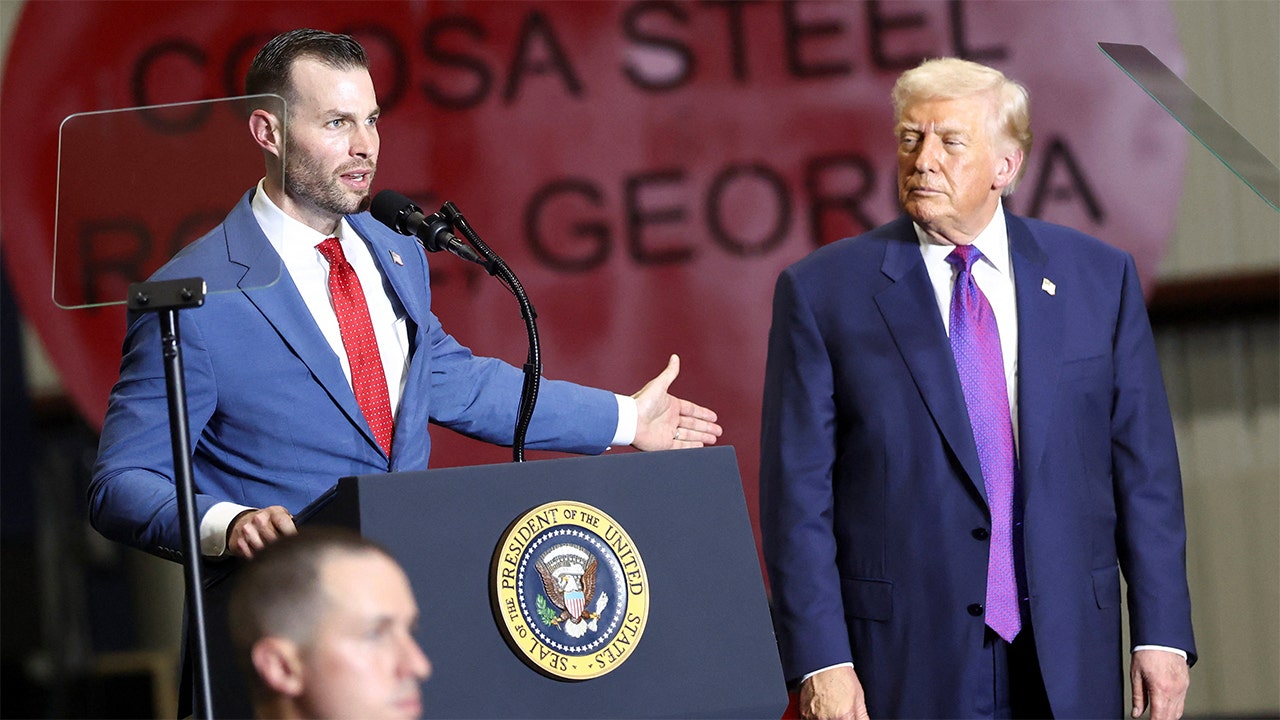
Four separate April contests are drawing national attention because they could affect the razor-thin U.S. House majority. In northwest Georgia, Republican Clay Fuller (backed by former President Donald Trump) and Democrat Shawn Harris advanced to a runoff to fill the seat vacated by Marjorie Taylor Greene; Fuller is viewed as the frontrunner in a heavily Republican district. In New Jersey’s special election to replace now-Governor Mikie Sherrill, Republican Joe Hathaway faces Democrat Analilia Mejia, a progressive organizer supported by figures like Sen. Bernie Sanders and Rep. Alexandria Ocasio-Cortez. In Wisconsin, voters will choose a justice for the state Supreme Court; the outcome could expand the court’s current liberal majority from 4–3 to 5–2, or keep the balance narrower, drawing heavy outside spending and attention. In Virginia, voters are deciding a Democrat-led redistricting referendum that could add up to four new left-leaning U.S. House districts, potentially shifting the state’s delegation from 6–5 Democratic to as much as 10–1. The contests are occurring against the backdrop of a narrow House GOP majority (218–214), aggressive outside spending in judicial and redistricting fights, rising early voting in Virginia, and partisan framing from both parties about gerrymandering and control of Congress.
Biblical Reflection
From a Christian perspective, these races highlight how civic processes and political power shape public life and the common good. The article frames the contests largely as tests of partisan control and as reflections of Trump-era influence; readers should recognize that much of the coverage emphasizes competition, fundraising, and narrative advantage. That framing is not untrue — power dynamics and partisan strategy matter — but it can obscure deeper questions about governance, justice, and the welfare of neighbors. Christians are called to evaluate public events by truth and justice rather than partisan loyalty (Micah 6:8). Be cautious of rhetoric that simplifies contests into moral certainties or that treats civic outcomes as purely tribal victories. Also be attentive to the ethical issues the article touches: the influence of outside money, the fairness of redistricting, and how judicial elections affect the administration of justice. Prayerful civic engagement, informed discernment, and a commitment to the common good are appropriate responses when elections are cast as zero-sum fights for power.
Scripture in context
This outlook does not yet include contextual Scripture citations. Do not treat a general biblical theme as an exegetical conclusion.
Faithful Response
No prescribed response is offered. Consider the reflection prompts below in your own church context.
Reflection and Discussion
- 1What partisan language, choice of sources, or quoted phrases in the article point to a particular political framing, and what important civic or moral issues might be receiving less attention as a result?
- 2How does focusing on party control and electoral advantage shape our understanding of justice and the common good, and where does that differ from a Christian concern for vulnerable neighbors?
- 3When news portrays elections as existential battles, how can Christians hold both the seriousness of civic decisions and the humility that all authority is ultimately accountable to God?
Sources
Reporting links are evidence inputs; Sanctuary News' biblical reflection is commentary.
This outlook currently relies on fewer than two linked sources. Broaden verification before teaching from it.
- 1.Original reportprimary