News Summary
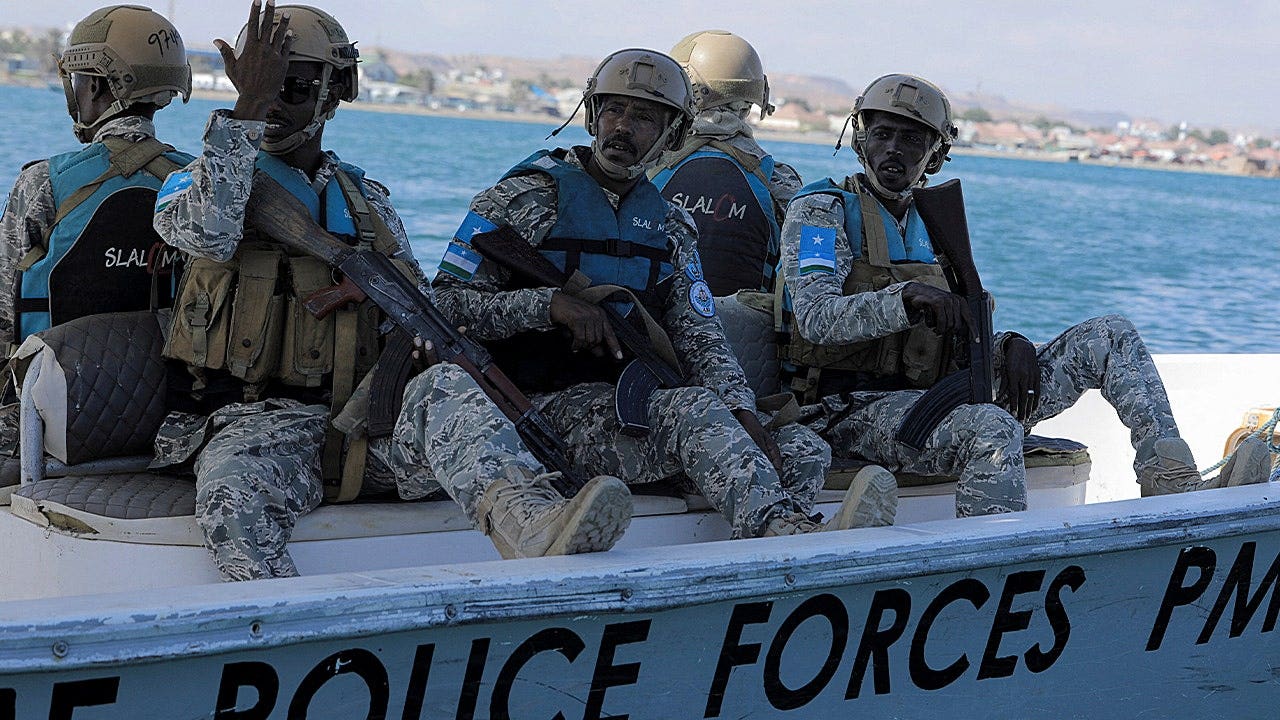
Reports and analyst commentary in early May 2026 warn of a resurgence of maritime hijackings in the Red Sea and Gulf of Aden. Yemen’s coast guard reported that armed men hijacked an oil tanker off Shabwa on May 2; the vessel was later located and recovery efforts were reported. Analysts quoted by Fox News and other outlets say Somali pirate groups have increased activity since late April, with at least three vessels seized or redirected in the area (a Somali-flagged fishing boat on April 21, the Palau-flagged tanker Honour 25, and a general cargo ship taken to Garacad). Some analysts contend there is an opportunistic operational alignment between Somali maritime groups and Houthi-linked forces, with claims that Houthis have provided GPS, surveillance, or geopolitical cover while Somali groups supply small boat capability. Observers say a diversion of Saudi crude from the Strait of Hormuz through an east–west pipeline to Red Sea ports has increased the value of cargoes in the area, potentially raising incentives for hijackings. Risk-monitoring services (cited: Windward AI, UKMTO) upgraded the threat level for waters off Somalia to “substantial.” Commentators also say that international naval assets are stretched by missile and regional threats, which they describe as creating a relative security vacuum that pirates can exploit. The article cites expert analysis (including a former Israeli naval officer) and situates the rise in piracy alongside ongoing Houthi activity in the Red Sea and Persian Gulf tensions that affect shipping lanes.
Biblical Reflection
From a Christian perspective, the article points to real human vulnerability and systemic injustice: seafarers, crews, and coastal communities bear the immediate harm and economic disruptions can affect many nations and poor populations. The piece relies heavily on analyst interpretation and security framing—terms like “alignment,” “target-rich,” and “security vacuum” reflect a threat-focused worldview and lean on strategic and geopolitical explanations. That framing is useful for understanding risks and policy responses, but it can under-emphasize humanitarian dimensions (the plight of kidnapped crews, economic harms to ordinary people, drivers of instability such as poverty, governance gaps, and illicit economies). The article also repeatedly links militia activity to state-backed actors (Houthi/IRGC) based on analyst claims; readers should note which assertions are confirmed facts (reported hijackings, risk-level upgrades) and which are expert inferences about cooperation or sponsorship. Spiritually, Christians should respond with prayer for those endangered and with a commitment to truth—seeking verified information, resisting fear or demonization of entire peoples, and supporting policies and humanitarian responses that protect the vulnerable and pursue justice. Biblical witness calls both for protecting the helpless and for measured discernment when evaluating geopolitical claims.
Scripture in context
This outlook does not yet include contextual Scripture citations. Do not treat a general biblical theme as an exegetical conclusion.
Faithful Response
No prescribed response is offered. Consider the reflection prompts below in your own church context.
Reflection and Discussion
- 1Which parts of the article are verified incident reports and which are analyst interpretations or strategic readings—how does that distinction change your confidence in the conclusions?
- 2How does the security-first framing shape public and policy response compared with a framing that centers humanitarian need and rule-of-law solutions?
- 3What economic, governance, and social factors on the ground (poverty, lawlessness, diversion of trade routes) might be driving this violence beyond simple state sponsorship narratives?
Sources
Reporting links are evidence inputs; Sanctuary News' biblical reflection is commentary.
This outlook currently relies on fewer than two linked sources. Broaden verification before teaching from it.
- 1.Original reportprimary