News Summary
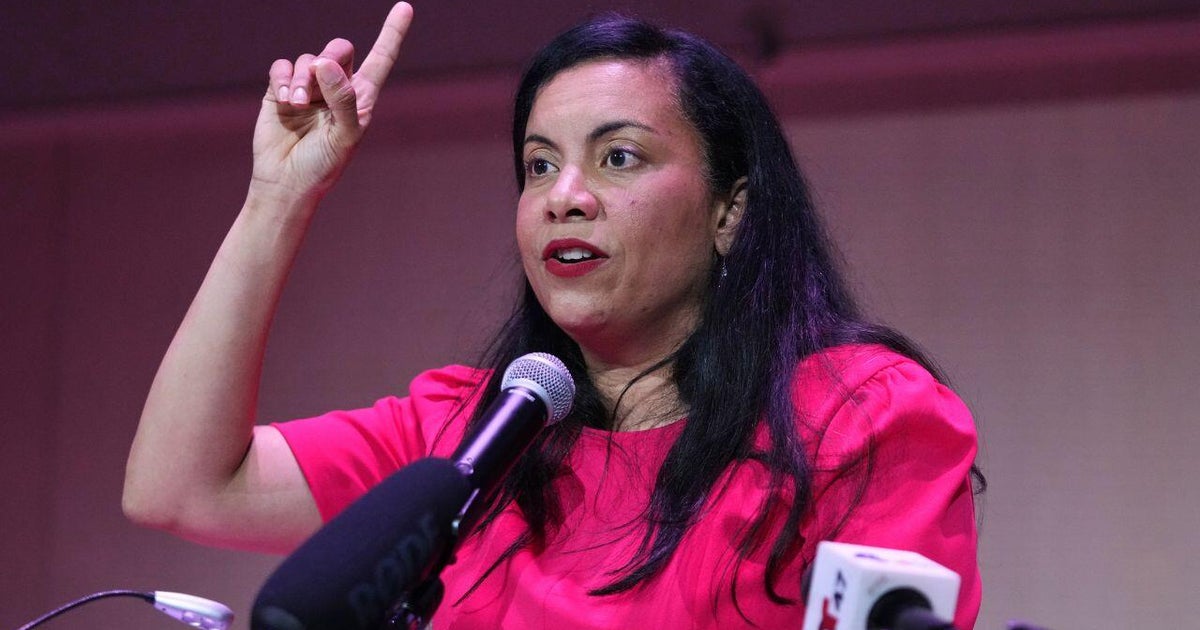
CBS News and the Associated Press projected that Democrat Analilia Mejia won the April 2026 special election for New Jersey's 11th Congressional District, defeating Republican Joe Hathaway and independent Alan Bond. Mejia will serve the remainder of the term vacated by Mikie Sherrill and ending in January; she must run again in November to win a full two-year term. The district includes parts of Essex, Morris and Passaic counties; voter registration shows Democrats outnumber Republicans there by roughly 60,000. Mejia, the daughter of immigrant factory and seamstress parents, campaigned on progressive, populist economic policies—taxing billionaires, raising wages, universal child care and health care—and advocated abolishing U.S. Immigration and Customs Enforcement. She is a former head of the Working Families Alliance, worked on Bernie Sanders' 2020 campaign, and is endorsed by Bernie Sanders, Rep. Alexandria Ocasio-Cortez and Sen. Elizabeth Warren. In her victory remarks she described the win as overcoming long odds and criticized her Republican opponent’s campaign rhetoric. Hathaway issued a statement congratulating Mejia but said the election’s timing and structure—set by a Democratic governor—produced a low-turnout environment that benefited Democrats. Republican campaign ads had characterized Mejia as socialist; she rejected that label and pointed to her 13 years as a Democratic county committeewoman.
Biblical Reflection
From a Christian perspective this report describes a normal democratic transition that reflects shifting voter preferences in a suburban New Jersey district. The article highlights several realities worth discerning: the power of identity and narrative (Mejia’s immigrant background and activist story), the role of endorsements and partisan framing (labels like “socialist” or “radical”), and the structural elements campaigns cite (timing, turnout). Scripture calls Christians to care for the vulnerable and pursue justice, which can lead faithful people to support policies aimed at economic relief and expanded access to health and childcare. But Scripture also warns against simplistic labels, pride, and partisan idolatry. Evaluate both rhetoric and policy by asking whether proposals honor human dignity, steward resources wisely, protect religious conscience, and strengthen families and communities. Pay attention to media framing that emphasizes personality or conflict over concrete policy details, and be wary of cynicism that assumes all politics are merely power plays. Pray for leaders’ wisdom and for Christians to respond with truth, compassion, and humility rather than partisan rancor.
Scripture in context
This outlook does not yet include contextual Scripture citations. Do not treat a general biblical theme as an exegetical conclusion.
Faithful Response
No prescribed response is offered. Consider the reflection prompts below in your own church context.
Reflection and Discussion
- 1What assumptions about justice, power, and the role of government underlie the candidate’s platform and the campaign rhetoric you just read?
- 2Where does this coverage emphasize personality, identity, or partisan labels instead of concrete policy effects on vulnerable people?
- 3How can Christians test proposed policies so they advance both compassion for the poor and wise stewardship of public resources?
Sources
Reporting links are evidence inputs; Sanctuary News' biblical reflection is commentary.
This outlook currently relies on fewer than two linked sources. Broaden verification before teaching from it.
- 1.Original reportprimary