News Summary
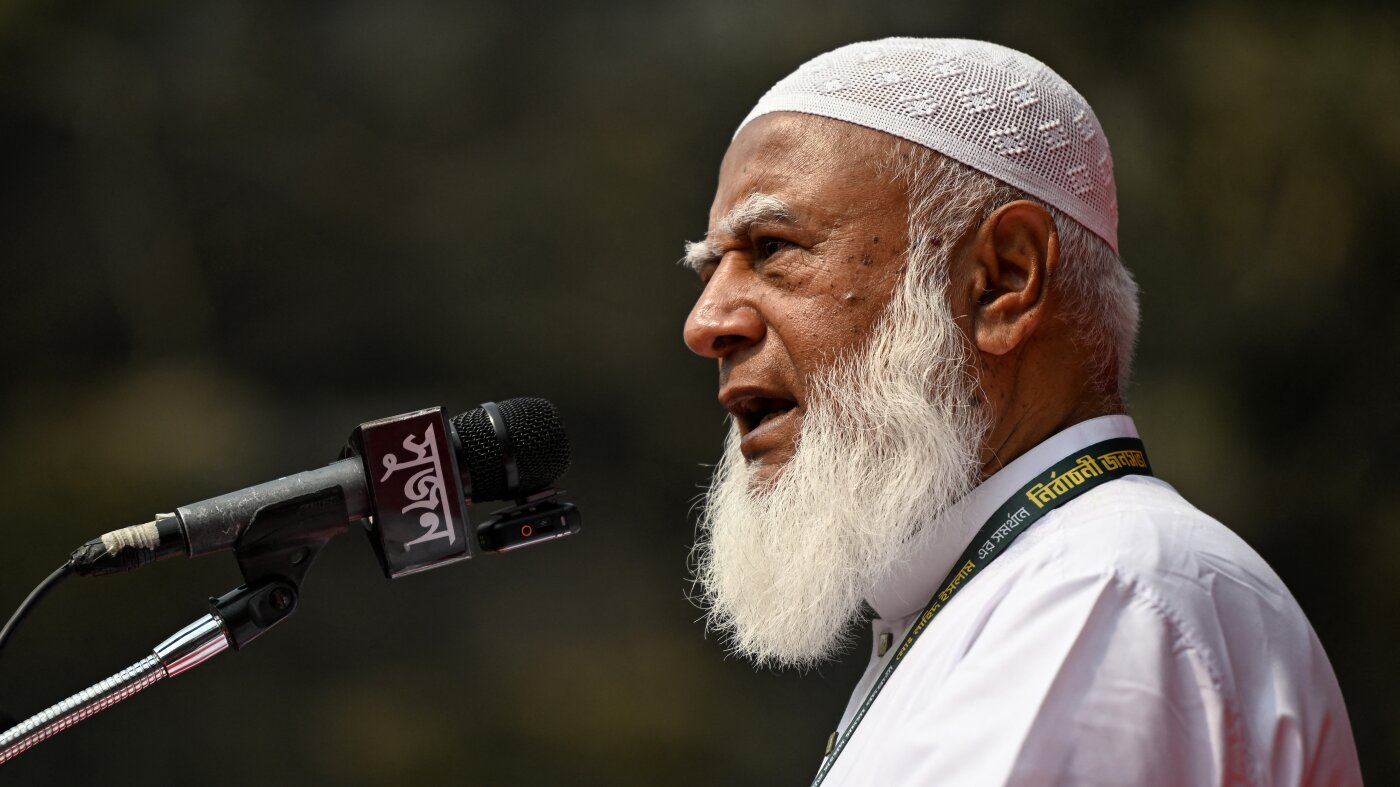
For the first time in the nation's history, an Islamist party, Jamaat-e-Islami, has become the main opposition in Bangladesh's parliament after winning 68 of its 77 alliance seats. The Bangladesh Nationalist Party (BNP) took a commanding majority, while the long-dominant Awami League was banned following a student-led uprising. Jamaat-e-Islami's rise is surprising due to its controversial role in Bangladesh's 1971 independence war and its past opposition to independence, as well as concerns over its stances on women and minorities. The party has recently tried to moderate its public image, though it still excludes women from leadership and promotes Sharia law. Observers note that Bangladesh's constitution protects minority rights, though in practice, minorities often face violence from different parties. As Jamaat-e-Islami joins the opposition, it faces the task of building trust, holding the government accountable, and supporting reforms to prevent a return to autocracy.
Biblical Reflection
From a biblical perspective, this political shift prompts deep reflection on justice, equality, leadership, and the treatment of women and minorities. Scripture consistently calls for leadership marked by humility, justice, and a genuine concern for all people—regardless of gender or background (Micah 6:8, Galatians 3:28). Jamaat-e-Islami's exclusion of women from leadership and its controversial history challenge these biblical values. While the party claims to aim for peaceful and principled opposition, Christians are reminded that true justice and governance demand integrity, repentance from past wrongs, and a commitment to the dignity of every person. The rise of any group with a history of violence, discrimination, or exclusion should be viewed with discernment and a call to prayer, seeking that all leaders would be transformed by principles of justice, mercy, and humility before God.
Scripture in context
This outlook does not yet include contextual Scripture citations. Do not treat a general biblical theme as an exegetical conclusion.
Faithful Response
No prescribed response is offered. Consider the reflection prompts below in your own church context.
Reflection and Discussion
- 1How do I respond when political change raises concerns about justice and equality in society?
- 2In what ways can I pray for or support leaders who uphold biblical values of justice, humility, and respect for all people?
- 3What does it look like to pursue peace and accountability in a community with a history of conflict and division?
Sources
Reporting links are evidence inputs; Sanctuary News' biblical reflection is commentary.
This outlook currently relies on fewer than two linked sources. Broaden verification before teaching from it.
- 1.Original reportprimary