News Summary
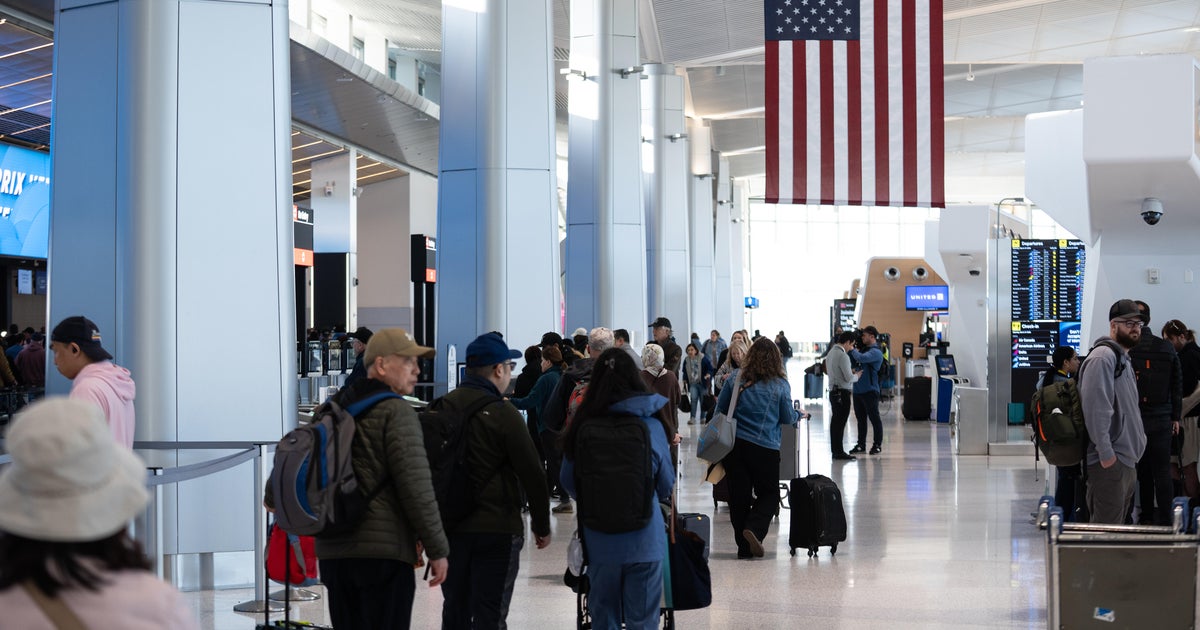
CBS News reports that as travelers continue to face long security lines at major U.S. airports, enrolling in TSA PreCheck remains an option to shorten screening time. TSA says its expedited screening typically takes about 10 minutes. Travel expert Julian Kheel of Points Path says PreCheck helps now and will be an ongoing asset. The story notes that hundreds of TSA officers have quit and thousands have called out during the latest partial government shutdown, prompting the Trump administration to deploy ICE agents to multiple airports to assist with security. Enrollment requires a brief online application, a 10-minute in-person appointment at an authorized center (airports or retail locations like CVS, Office Depot, Staples), biometric collection, and an enrollment fee charged by one of three authorized providers (Clear, Idemia, Telos). Applicants typically receive a Known Traveler Number (KTN) in 3–5 days (but it can take up to 60), and PreCheck is valid for five years. Some airports, however, may not operate PreCheck lanes due to staff shortages. The article also explains related options: Touchless ID facial-recognition opt-ins through participating airlines, Clear Plus private membership lanes (which can be bundled with PreCheck), and Global Entry for international travelers (which includes PreCheck). The piece suggests checking travel credit card benefits for fee waivers.
Biblical Reflection
From a biblical perspective, this story raises practical and moral questions alongside practical advice. On the practical side, using TSA PreCheck or related services is a wise way to steward time and reduce travel stress—responsible planning and using lawful, available resources align with Scripture’s calls to wisdom and good stewardship (Proverbs). Yet the report also surfaces larger communal concerns: staffing shortages in a public safety role have real costs for everyone, and the temporary deployment of other federal agents to fill gaps highlights how public systems strain and adapt under pressure. Christians should neither fetishize convenience nor ignore fairness: when faster lanes and private services become the primary solution, there is a risk that privilege widens disparities in who moves freely and who waits. Philippians 2:3–4 (below) reminds us to consider the interests of others, not only our own. That means using wise practices—like enrolling in PreCheck if it helps your family travel safely and calmly—while also advocating for honest public stewardship, supporting those who serve in public safety roles, and showing patience and compassion toward fellow travelers and frontline workers. Practically: be prudent (plan, check enrollment timelines, see if your card waives fees), be patient (staffing shortages may limit immediate benefit), and be vocal for systemic solutions that protect the common good rather than relying solely on private bypasses.
Scripture in context
This outlook does not yet include contextual Scripture citations. Do not treat a general biblical theme as an exegetical conclusion.
Faithful Response
No prescribed response is offered. Consider the reflection prompts below in your own church context.
Reflection and Discussion
- 1Am I seeking convenience in ways that respect or neglect the needs of others (fellow travelers, TSA officers, and the public)?
- 2How can I use my resources (time, money, influence) to both steward my travel needs and support fair, humane public services?
- 3In what practical ways can I show patience and compassion the next time I encounter long lines or stressed frontline workers?
Sources
Reporting links are evidence inputs; Sanctuary News' biblical reflection is commentary.
This outlook currently relies on fewer than two linked sources. Broaden verification before teaching from it.
- 1.Original reportprimary