News Summary
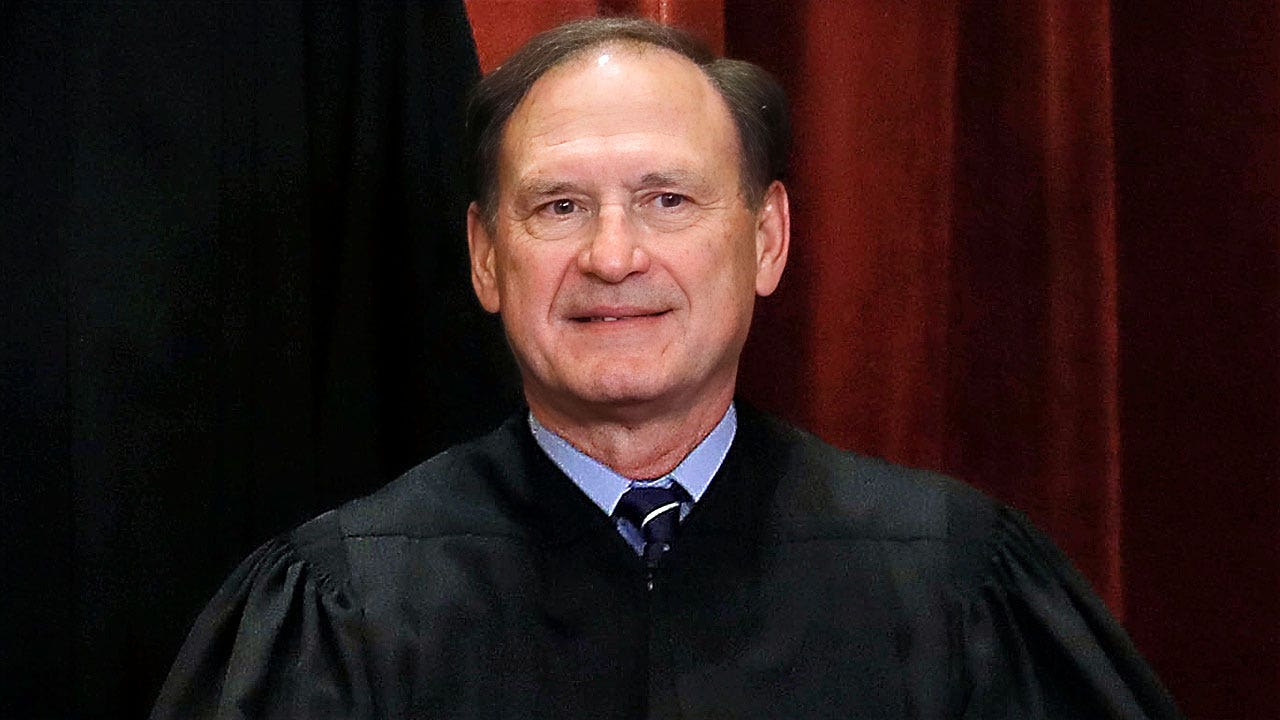
The U.S. Supreme Court heard arguments over whether states may count mail ballots that are postmarked by Election Day but received up to five days later, focusing on a Mississippi law challenged by the Republican National Committee. Justice Samuel Alito emphasized a literal reading of the word “day,” suggesting Election Day should be treated as a discrete, final day for the receipt of ballots. Several conservative justices signaled skepticism about Mississippi’s law; the 5th Circuit had previously sided with the RNC. Counsel for the RNC argued that an election requires both casting a vote and receiving it, and that allowing ballots to arrive after Election Day undermines federal law, invites fraud, and fuels public distrust. Other justices, including Chief Justice Roberts and Justice Kagan, warned a strict interpretation might have consequences for early voting practices. A decision, expected by the summer, could affect a dozen-plus states that currently accept postmarked ballots received after Election Day; military and overseas ballots governed by federal law would likely remain unaffected.
Biblical Reflection
Scripturally, this story raises questions about justice, truth, and the care of neighbors in the public square. The Bible calls for honest measures and fair practices (Proverbs 11:1), and civil structures that preserve trust and order (Romans 13). At the same time, Scripture demands compassion and protection for the vulnerable. Policies that aim to strengthen confidence in elections reflect a legitimate desire for integrity; yet when legal reform risks disenfranchising people who depend on mail service—often the elderly, rural voters, or those serving overseas—Christians must weigh zeal for procedural purity against the command to love and not harm our neighbor (Matthew 22:37–40). The posture of the justices and litigants also reminds believers to hold convictions with humility: the quest for truth should not feed partisan fear, nor should legitimate concerns about fraud be used to fuel mistrust without evidence. Christians should pray for wise, impartial adjudication, promote transparency and accuracy in voting procedures, and advocate for solutions that safeguard both electoral integrity and access. Our civic engagement must reflect both commitment to truth and sacrificial care for others, resisting the temptation to let partisan identity eclipse our witness for justice, mercy, and peace.
Scripture in context
This outlook does not yet include contextual Scripture citations. Do not treat a general biblical theme as an exegetical conclusion.
Faithful Response
No prescribed response is offered. Consider the reflection prompts below in your own church context.
Reflection and Discussion
- 1How can I balance a desire for secure, trustworthy elections with concern for voters who might be disenfranchised by stricter deadlines?
- 2Am I allowing partisan rhetoric about the courts or elections to shape my Christian witness or relationships with others?
- 3What practical steps can I take or pray for that promote both accuracy and access in our election processes?
Sources
Reporting links are evidence inputs; Sanctuary News' biblical reflection is commentary.
This outlook currently relies on fewer than two linked sources. Broaden verification before teaching from it.
- 1.Original reportprimary