News Summary
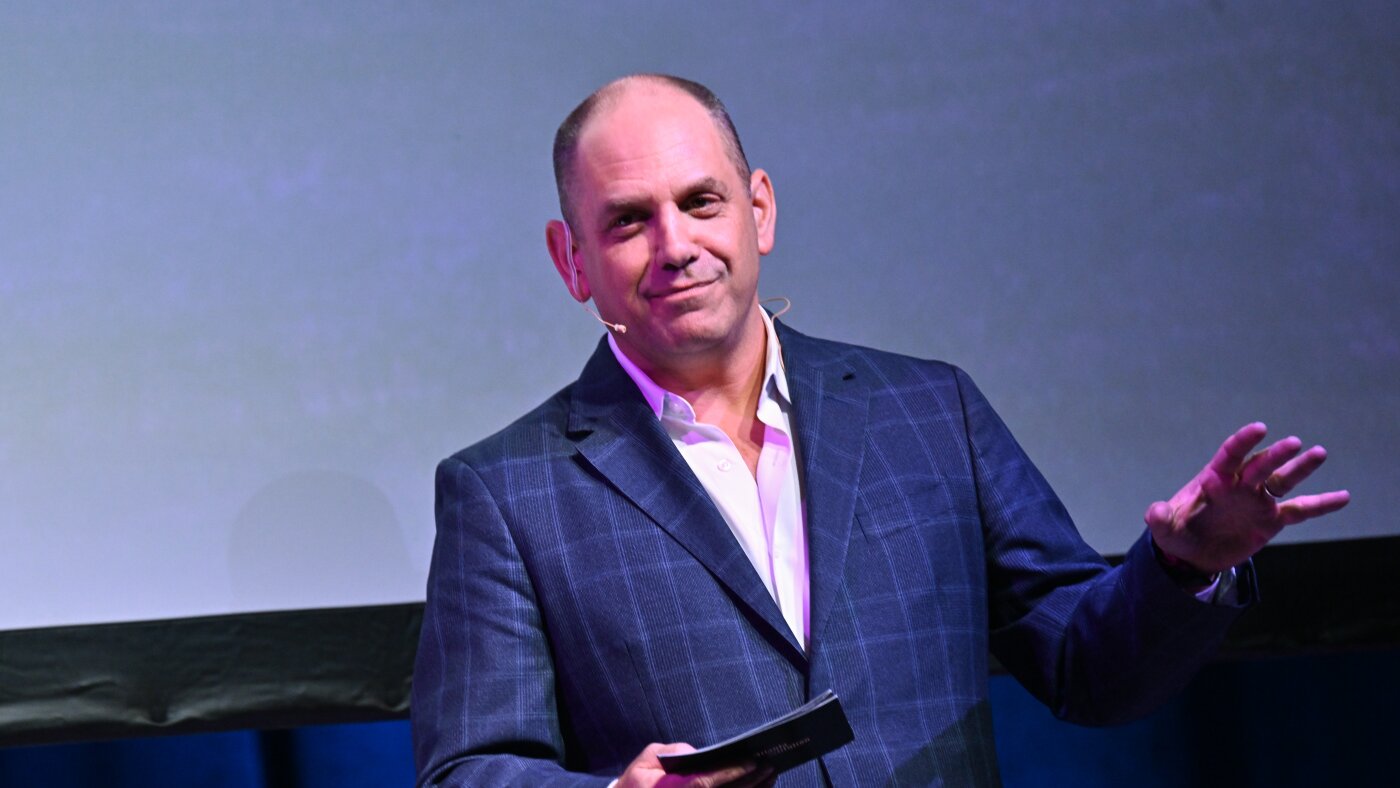
Andrew Morse, who became publisher and president of The Atlanta Journal-Constitution (AJC) in January 2023, will step down next month and be succeeded by Paul Curran effective June 29. Morse led a $150 million effort by Cox Enterprises to transform the AJC into a digital-first news organization and set a goal of reaching 500,000 paying digital subscribers by the end of 2026. When he arrived the paper had about 53,000 digital subscribers; three and a half years later it had about 101,000. The AJC discontinued its print edition on January 1 and refocused coverage and staffing toward digital products such as newsletters, podcasts, social video and subject-focused beats. Cox says it remains committed to the paper, though the AJC has been losing money for years and expects it will take additional time to reach financial sustainability. Morse cited family reasons and commuting as factors in his decision to leave. The article also situates the AJC’s challenges within wider industry trends including consolidation of newspaper ownership, newsroom cuts at other outlets, reduced social-platform referrals to news, and changes in how audiences find information (including increased use of AI and 'Google Zero').
Biblical Reflection
From a Christian perspective, this story highlights several important themes: stewardship, the civic role of truth-telling institutions, and perseverance amid changing circumstances. The AJC’s leadership and Cox’s investment reflect an attempt to steward resources toward sustaining local journalism—a public good that helps communities know the truth about local government, safety, and civic life. Measuring success solely by subscriber count and near-term profitability risks missing the paper’s broader public mission, yet financial viability is also necessary for long-term ministry to the community. The article largely reports industry facts but assumes market metrics and technological shifts (social platforms, AI, search changes) as the primary yardsticks for viability. That framing can obscure theological and civic questions about why local journalism matters beyond markets and how owners should balance subsidy, stewardship, and service. Christians should applaud efforts to preserve platforms for truth and public accountability, hold leaders accountable for wise stewardship of resources, and resist narratives that reduce all public goods to short-term metrics. At the same time, the piece shows humility: Morse and others acknowledge mixed results and the need for more time, which models honest appraisal and persistence rather than hype. Spiritually, this invites prayerful discernment about priorities (profit vs. service), patience in rebuilding, and care for journalists and communities affected by industry consolidation.
Scripture in context
This outlook does not yet include contextual Scripture citations. Do not treat a general biblical theme as an exegetical conclusion.
Faithful Response
No prescribed response is offered. Consider the reflection prompts below in your own church context.
Reflection and Discussion
- 1Am I accepting the story’s implicit assumption that numeric growth and short-term financial returns are the primary measures of a news organization's value, or do I also weigh its civic and truth-telling purposes?
- 2What pressures (market, technological, ideological) shape how we report on and evaluate institutions that serve the public good, and how might those pressures obscure deeper moral responsibilities?
- 3How should Christian citizens and church leaders think about supporting local journalism—as consumers, donors, and advocates—when its public benefit does not always align with immediate profitability?
Sources
Reporting links are evidence inputs; Sanctuary News' biblical reflection is commentary.
This outlook currently relies on fewer than two linked sources. Broaden verification before teaching from it.
- 1.Original reportprimary