News Summary
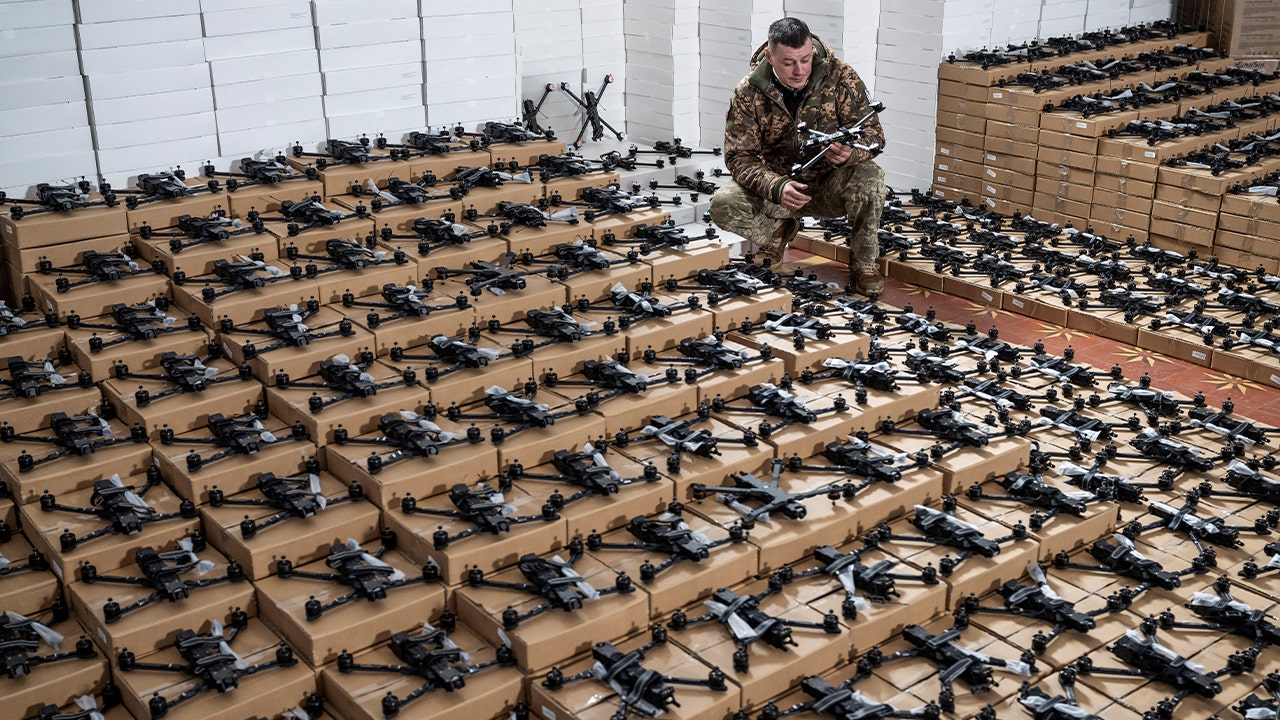
The article argues that artificial intelligence has dramatically shortened the observe-orient-decide-act cycle in modern combat, giving an advantage to forces that control battlefield data pipelines. It cites Ukraine as an early large-scale example, reporting that a Ukrainian nonprofit collected over two million hours of drone footage and added five to six terabytes of data daily, and that retrained AI targeting models have contributed to a shift in battlefield effectiveness. The piece claims drones accounted for 96% of Russian battlefield casualties in one month and that Ukrainian drones caused more than 240,000 Russian casualties in 2025 (as reported). The author warns that western military procurement and governance systems remain organized for slower, hardware-focused cycles and are therefore ill-suited to software-driven, machine-speed decision loops. He calls for urgent investment in data infrastructure, preemptive governance and accountability frameworks, and international coordination to manage the risks of delegating decisions to AI systems in war.
Biblical Reflection
This article surfaces a real and pressing technological reality: AI and data are reshaping military power in ways that can outpace existing legal and ethical systems. The warning that speed can erode human judgment and accountability is legitimate and should not be dismissed as mere alarmism. At the same time, the piece is an opinion argument framed to push rapid policy and procurement shifts; some dramatic casualty figures are presented without independent verification and the urgency of the tone reflects a security-first worldview. From a Christian perspective we should affirm the call for stewardship, accountability, and protection of the vulnerable — not only stronger capabilities but governance that preserves human dignity, minimizes civilian harm, and subjects lethal force to moral oversight. Christians should be wary of uncritical techno-determinism (the idea that faster is necessarily better) and of any posture that privileges strategic advantage over truth, restraint, and peacemaking. The Bible’s call to love neighbor and value life means Christians should press for transparency, legal and moral guardrails, international cooperation, and public accountability when technologies that decide life-and-death outcomes are deployed.
Scripture in context
This outlook does not yet include contextual Scripture citations. Do not treat a general biblical theme as an exegetical conclusion.
Faithful Response
No prescribed response is offered. Consider the reflection prompts below in your own church context.
Reflection and Discussion
- 1Whose lives and moral perspectives are most at risk when rapid, data-driven decisions replace human deliberation on the battlefield?
- 2How does secrecy around data collection and model training affect our ability to hold actors accountable for harm?
- 3Are we preparing legal and ethical frameworks before the technology is deployed, or only after its effects become unavoidable?
Sources
Reporting links are evidence inputs; Sanctuary News' biblical reflection is commentary.
This outlook currently relies on fewer than two linked sources. Broaden verification before teaching from it.
- 1.Original reportprimary