News Summary
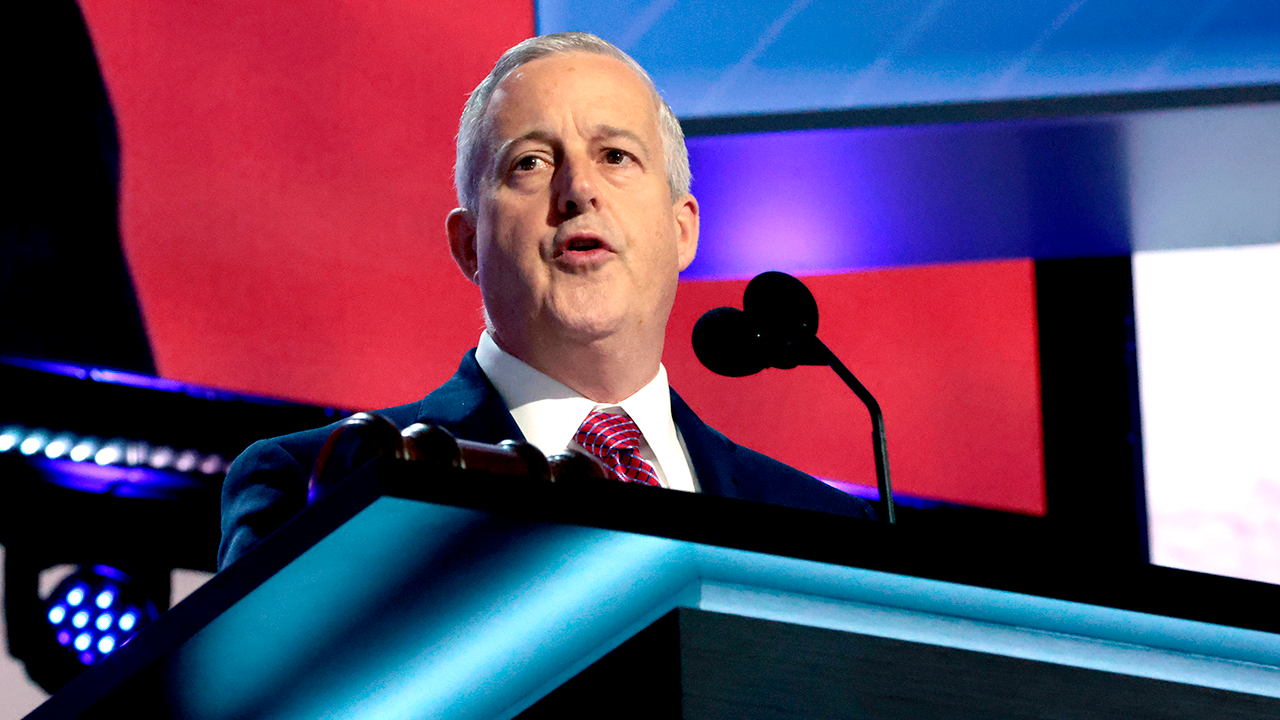
The article profiles Michael Whatley, former Republican National Committee chairman, as he campaigns for an open U.S. Senate seat in North Carolina following a challenging 2025 election cycle for the GOP. Whatley is running against former Democratic Governor Roy Cooper to succeed retiring Senator Thom Tillis. Whatley emphasizes the importance of traveling to all counties in North Carolina and focusing on economic issues, job creation, public safety, and immigration enforcement. He aligns himself with former President Trump and supports strict immigration enforcement, highlighting ICE's Operation Charlotte's Web to target criminal illegal aliens. Whatley criticizes Democratic policies on the economy and immigration, asserting that a sound economic message is key for conservative electoral success.
Biblical Reflection
Viewed through a biblical lens, the article highlights the intersection of faith, politics, and public policy. Scripture consistently calls leaders to pursue justice, fairness, and care for the vulnerable, including the foreigner and those in need (Leviticus 19:33-34; Micah 6:8). The emphasis on economic well-being and public safety is important, but Christians are also called to avoid demonizing or scapegoating groups of people, including immigrants. Rhetoric that frames entire populations as threats runs contrary to the biblical command to love our neighbor and to seek the welfare of all (Luke 10:25-37; Jeremiah 29:7). While prudent stewardship and wise governance are scriptural values, believers should weigh political messages against Christ's call to compassion, humility, and justice, remembering that the ultimate standard for leadership is the heart’s alignment with God’s love for all humanity. Christians must discern whether political strategies serve the common good and reflect the character of Christ, rather than simply advancing a partisan agenda.
Scripture in context
This outlook does not yet include contextual Scripture citations. Do not treat a general biblical theme as an exegetical conclusion.
Faithful Response
No prescribed response is offered. Consider the reflection prompts below in your own church context.
Reflection and Discussion
- 1How do I evaluate political leaders and their messages in light of Christ’s teachings on justice, mercy, and humility?
- 2In what ways might I be called to advocate for both wise governance and compassion for the vulnerable, including immigrants and strangers?
- 3Do my political choices and conversations reflect the biblical command to love my neighbor as myself?
Sources
Reporting links are evidence inputs; Sanctuary News' biblical reflection is commentary.
This outlook currently relies on fewer than two linked sources. Broaden verification before teaching from it.
- 1.Original reportprimary