News Summary
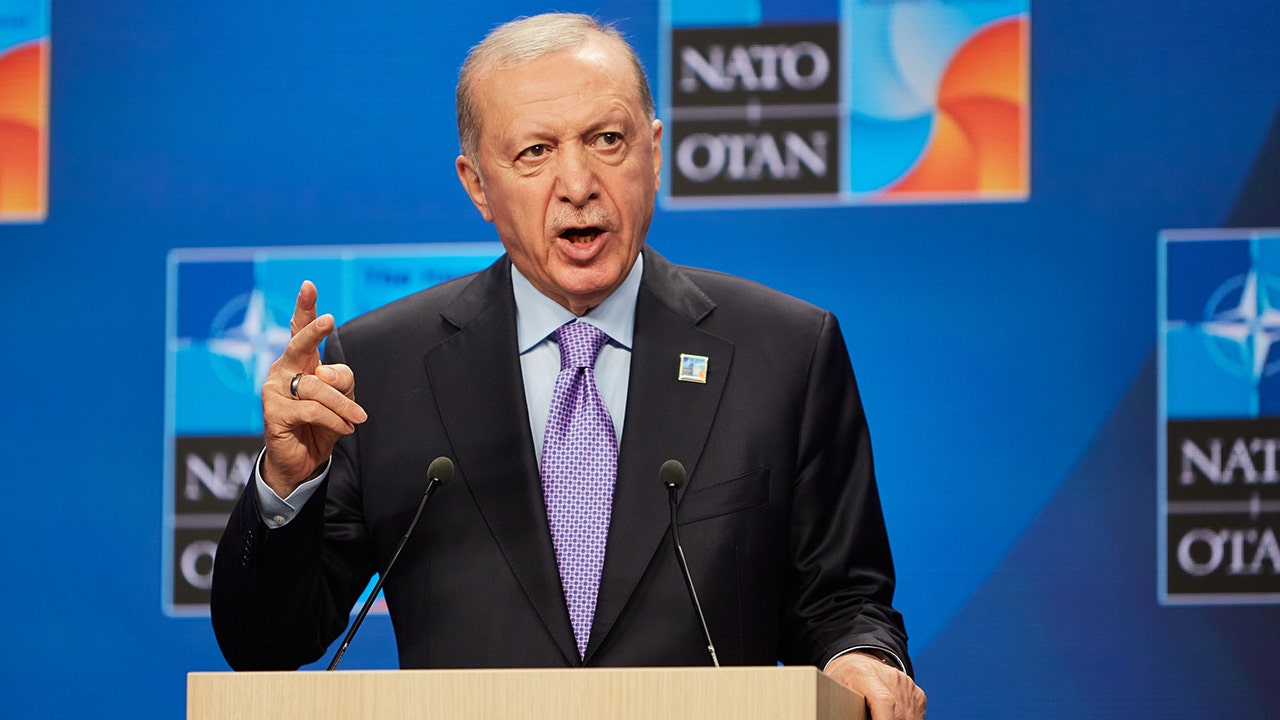
The Biden administration (reported as the Trump administration in article context of 2026 actions) notified Congress it is moving forward with a roughly $700 million package of U.S. defense articles to Turkey, primarily jet engines for combat aircraft. Lawmakers, led by Rep. Gregory Meeks, said the State Department bypassed Congress without invoking emergency authority or providing a written justification or adequate briefings. Critics cite Turkey’s 2019 acquisition of the Russian S-400 air defense system — which prompted U.S. sanctions and Turkey’s removal from the F-35 program — and warn the proximity of S-400 systems to U.S.-built aircraft could compromise NATO security. The State Department defended the sale by emphasizing Turkey’s contributions to NATO and the deal’s importance to Turkey’s KAAN fighter program, which needs Western engines to move to serial production. Several Republican members, including Greek-American representatives, publicly opposed the reported sale, citing Turkey’s regional behavior (maritime disputes, occupation of Cyprus, relations with Hamas, refusal to sanction Russia) and urging compliance with CAATSA and related restrictions. Turkish government officials did not comment in the article. The sale is framed as geopolitically significant ahead of Turkey hosting the 2026 NATO summit.
Biblical Reflection
This story illustrates the perennial tension between realpolitik and moral accountability in foreign policy. On one hand, alliances require practical cooperation and sustaining a capable partner can advance collective security; on the other, arming a partner who maintains adversarial ties and has unsettled behavior risks undermining alliance trust and the safety of service members. The article focuses on congressional and security concerns, and its framing highlights lack of transparency from the executive branch — a governance problem Christians should view through commitments to truth and stewardship. Beware of one-sided narratives: while critics’ concerns about the S-400 and NATO readiness are legitimate, the piece gives less space to the strategic reasons a government might pursue such a sale (deterrence, alliance management, industrial cooperation). Pastoral discernment calls for holding leaders accountable (truth and justice), praying for wisdom (humility), and caring for neighbors (seeking policies that protect innocents and preserve peace). Christians should press for transparent, accountable decision-making that weighs both security and moral consequences rather than defaulting to partisan loyalty or fear-driven choices.
Scripture in context
This outlook does not yet include contextual Scripture citations. Do not treat a general biblical theme as an exegetical conclusion.
Faithful Response
No prescribed response is offered. Consider the reflection prompts below in your own church context.
Reflection and Discussion
- 1Does the framing of this decision as a unilateral ‘‘bypass’’ change how you assess the balance between executive flexibility and congressional oversight in matters of war, peace, and arms?
- 2How should Christians weigh the practical needs of alliance cohesion against the moral cost of arming a partner whose actions conflict with shared values?
- 3What unseen perspectives or local voices (Turkish government, NATO partners, regional civilians) are missing from this coverage, and how would their inclusion change the story?
Sources
Reporting links are evidence inputs; Sanctuary News' biblical reflection is commentary.
This outlook currently relies on fewer than two linked sources. Broaden verification before teaching from it.
- 1.Original reportprimary