News Summary
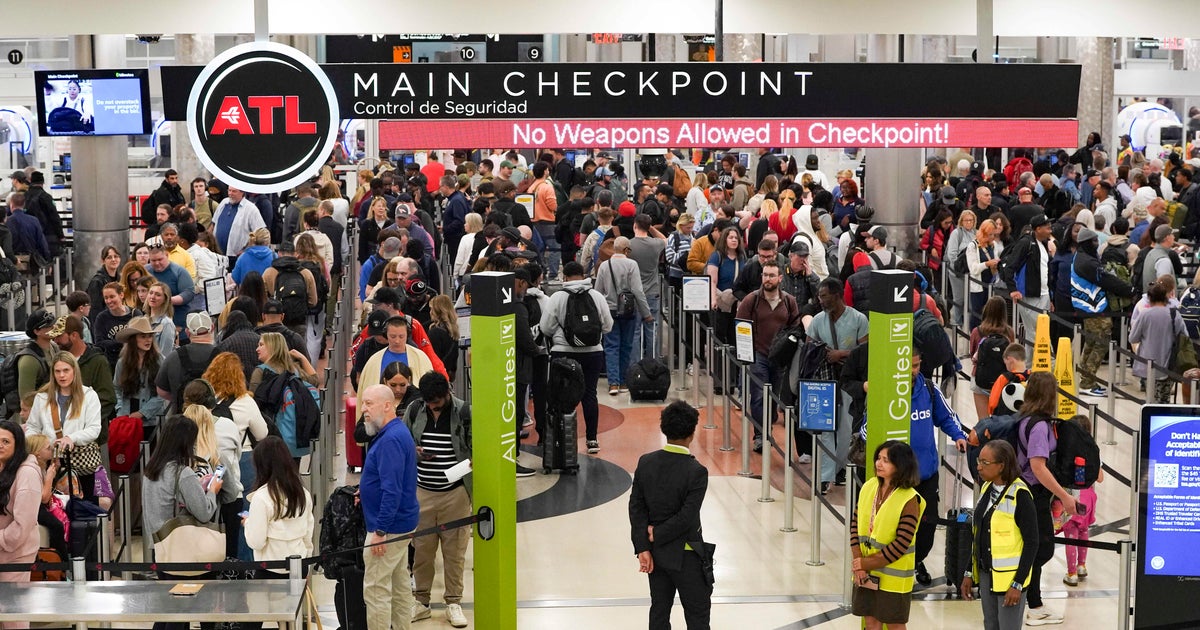
Acting deputy TSA administrator Adam Stahl warned that rising sick-call rates among TSA officers—exacerbated by a month-long partial government shutdown and missed paychecks—are producing long security lines and could, in some scenarios, force the closure of airports, especially smaller ones. Stahl said hundreds of TSA officers have quit, while roughly 50,000 continue to work without pay, reporting severe financial strain. Nationwide, more than 10% of TSA officers called out sick on Monday (about five times a typical rate); Atlanta saw about 37% callouts, which closed a checkpoint at Hartsfield-Jackson and produced wait times over two hours. Other airports, including Houston’s George Bush Intercontinental and Philadelphia, also experienced greatly increased waits and closed screening lanes or checkpoints. Stahl stressed the situation will worsen the longer DHS and the agency go without appropriated funding.
Biblical Reflection
This story highlights multiple moral and spiritual concerns. First, the basic dignity and provision of workers is at stake: people who perform essential public service work should not be left unpaid or forced into desperation. Scripture repeatedly affirms concern for workers and warns against withholding wages (see James 5:4). Christians should therefore view the funding lapse not merely as a political dispute but as a failure with real human cost that calls for compassion and advocacy.
Second, governing authorities bear a biblical responsibility to protect and serve the common good (Romans 13). When institutions fail to meet that responsibility—whether through neglect, political brinkmanship, or budgetary paralysis—the vulnerable suffer. Christians should pray for wisdom for leaders, speak truth to power with humility, and support policies that safeguard essential services and workers.
Third, the situation tests our Christian virtues: patience in the face of disruption, justice in defending the rights of laborers, mercy toward exhausted and fearful workers and travelers, and prudence in responding to fear or panic. The church’s practical response can include prayer, advocacy for timely and just resolution, tangible aid to affected workers (referrals to relief funds, congregational assistance), and resisting dehumanizing rhetoric that scapegoats particular officials or groups. Finally, this is an opportunity to model peacemaking—seeking constructive solutions rather than mere partisan victory—so ordinary people are not the collateral damage of political stalemate.
Scripture in context
This outlook does not yet include contextual Scripture citations. Do not treat a general biblical theme as an exegetical conclusion.
Faithful Response
No prescribed response is offered. Consider the reflection prompts below in your own church context.
Reflection and Discussion
- 1How can I or my faith community tangibly support and advocate for workers harmed by policy-driven funding lapses?
- 2Am I responding with prayerful justice and mercy—or with partisan anger—when public systems fail and people suffer?
- 3What steps can I take to encourage leaders to prioritize the welfare of essential workers in times of political impasse?
Sources
Reporting links are evidence inputs; Sanctuary News' biblical reflection is commentary.
This outlook currently relies on fewer than two linked sources. Broaden verification before teaching from it.
- 1.Original reportprimary