News Summary
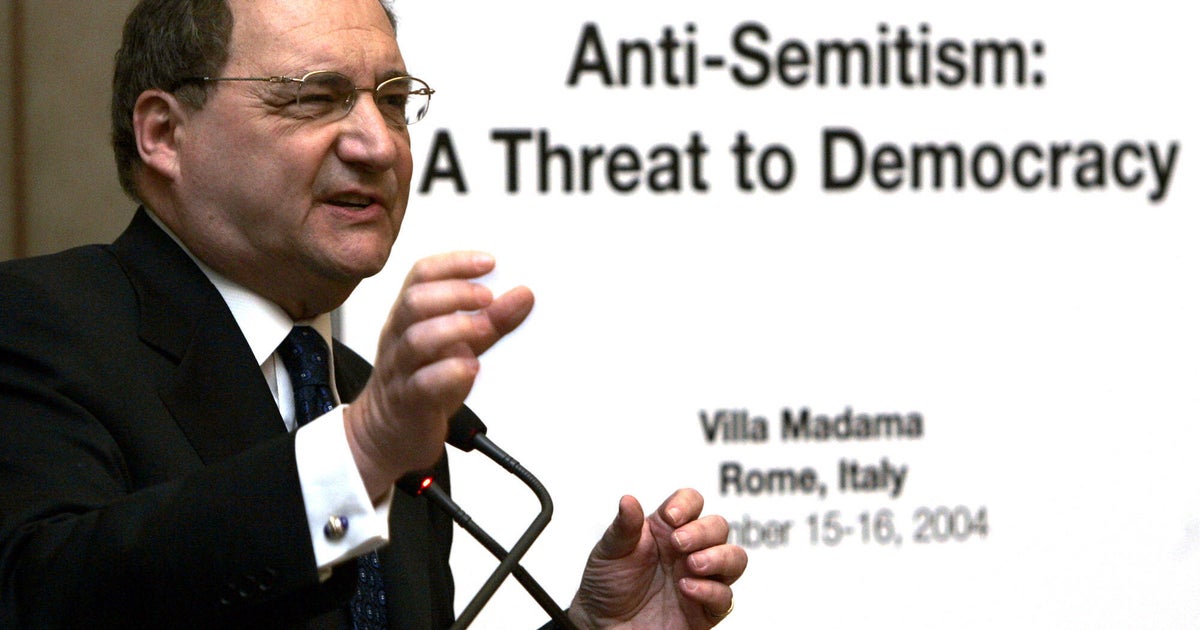
Abraham H. Foxman, who led the Anti-Defamation League (ADL) as national director for 28 years before retiring in 2015, has died at age 86, the ADL announced without providing details of place or time of death. Born in 1940 to Polish Jewish parents in what is now Belarus, Foxman survived the Holocaust after being hidden and baptized to conceal his Jewish identity, was reunited with his parents after the war, and later moved with his family to New York. He earned a law degree and spent about 50 years with the ADL, rising from staff lawyer to national director in 1987. During his tenure he counseled political and religious leaders, confronted public figures over antisemitic remarks, built the ADL’s research arm on white supremacists and extremists, and expanded the organization’s work to include immigrant and LGBTQ+ rights advocacy, law-enforcement diversity training, and school programs on the Holocaust and civil rights. He was both criticized for overreacting to perceived slights and criticized for accepting apologies too readily; he argued that accepting genuine repentance can turn former offenders into allies. In retirement he expressed concern about the internet’s role in spreading hate rapidly.
Biblical Reflection
From a Christian perspective, Foxman’s life and work embody a committed defense of a vulnerable people and persistent public witness against hatred — actions that align with biblical calls to defend the oppressed and speak against injustice (e.g., Micah 6:8). The article is an obituary: its intent is to record a public figure’s life and achievements rather than to settle complex debates about tactics or politics. That framing tends toward summary praise with brief mention of criticisms, so readers should note what the piece emphasizes (leadership, institutional growth, moral influence) and what it leaves unexplored (specific controversies, concrete examples of disputed decisions, or personal theological convictions). Two biblical tensions are relevant here: the call to pursue justice and protect neighbors, and the call to practice forgiveness and allow for repentance. Scripture holds both accountability and restoration in tension — leaders and institutions should be held responsible for how they wield influence, yet Scripture also commends forgiveness when true repentance is shown (Matthew 18; Galatians 6). Finally, Christians should resist elevating public advocates to a status that eclipses God’s sovereignty; we can honor faithful service while keeping our ultimate trust in God. Pray for wisdom to learn from Foxman’s example of courageous advocacy, discernment about institutional priorities, and humility about the limits of human judgment.
Scripture in context
This outlook does not yet include contextual Scripture citations. Do not treat a general biblical theme as an exegetical conclusion.
Faithful Response
No prescribed response is offered. Consider the reflection prompts below in your own church context.
Reflection and Discussion
- 1When a public figure is both praised and criticized, how do I weigh the fruit of their work (protection, advocacy) against legitimate concerns about methods or compromises?
- 2Does this obituary’s focus reveal cultural values about leadership and influence that differ from the kingdom values of humility, mercy, and justice?
- 3How should Christians balance mercy and accountability when a leader or organization offers public repentance or apology?
Sources
Reporting links are evidence inputs; Sanctuary News' biblical reflection is commentary.
This outlook currently relies on fewer than two linked sources. Broaden verification before teaching from it.
- 1.Original reportprimary