News Summary
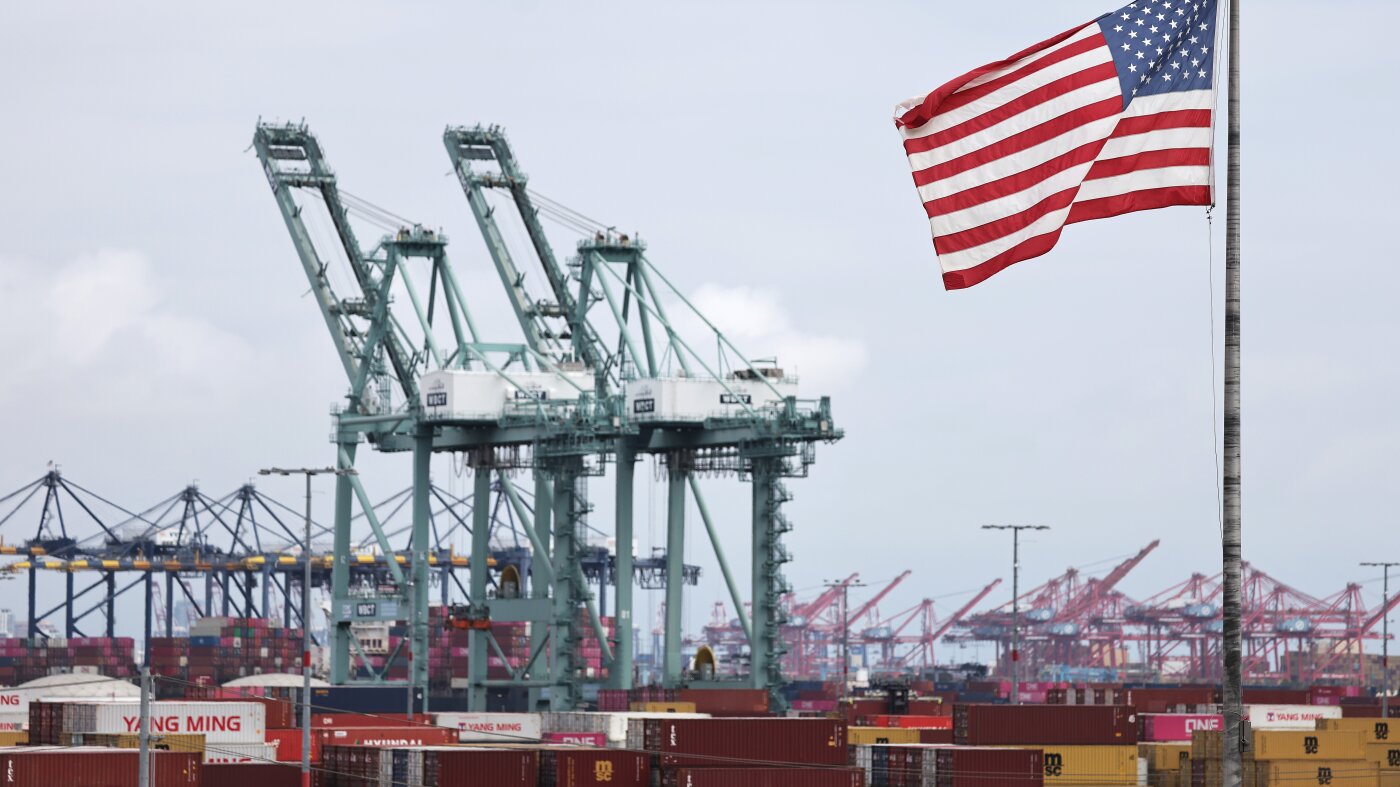
The article outlines the Supreme Court's recent decision that President Trump overstepped his authority by imposing broad tariffs under the International Emergency Economic Powers Act (IEEPA), a law not originally designed for such use. Since returning to office, Trump dramatically increased tariffs, collecting around $30 billion monthly, which has impacted trade, especially with China. The costs of these tariffs have largely fallen on U.S. importers and, by extension, consumers, contributing to higher prices and economic strain, particularly in manufacturing, which has seen job losses and low morale. The Court's ruling raises questions about how refunds may be managed if tariffs are deemed illegal, but government agencies are preparing for possible logistical challenges. The administration has indicated it could use other legal avenues to continue imposing tariffs, though these have more restrictions. Overall, the article presents a complex picture of the economic, legal, and political ramifications of the current tariff strategy.
Biblical Reflection
From a biblical perspective, this story invites reflection on the use and limits of authority, stewardship of resources, and the impact of government action on the vulnerable. Scripture teaches that rulers are accountable to God (Romans 13:1-7), and that justice should be pursued with care for the poor and marginalized (Proverbs 31:8-9). The imposition of tariffs—especially when their burden falls largely on domestic businesses and consumers—raises questions about justice, honesty, and care for one's neighbor. Jesus warns against seeking power for its own sake and calls leaders to serve with humility and integrity (Mark 10:42-45). Policy decisions that increase the cost of living and harm economic well-being, particularly for those already struggling, must be weighed against biblical values of compassion, fairness, and stewardship. Christians are called to pray for leaders and to advocate for policies that promote the common good and protect the vulnerable.
Scripture in context
This outlook does not yet include contextual Scripture citations. Do not treat a general biblical theme as an exegetical conclusion.
Faithful Response
No prescribed response is offered. Consider the reflection prompts below in your own church context.
Reflection and Discussion
- 1How should Christians evaluate the actions of leaders when their decisions have difficult or unintended consequences for everyday people?
- 2What does it mean to seek justice and fairness in economic policy from a biblical perspective?
- 3How can we pray for those in authority to govern with wisdom and integrity?
Sources
Reporting links are evidence inputs; Sanctuary News' biblical reflection is commentary.
This outlook currently relies on fewer than two linked sources. Broaden verification before teaching from it.
- 1.Original reportprimary