News Summary
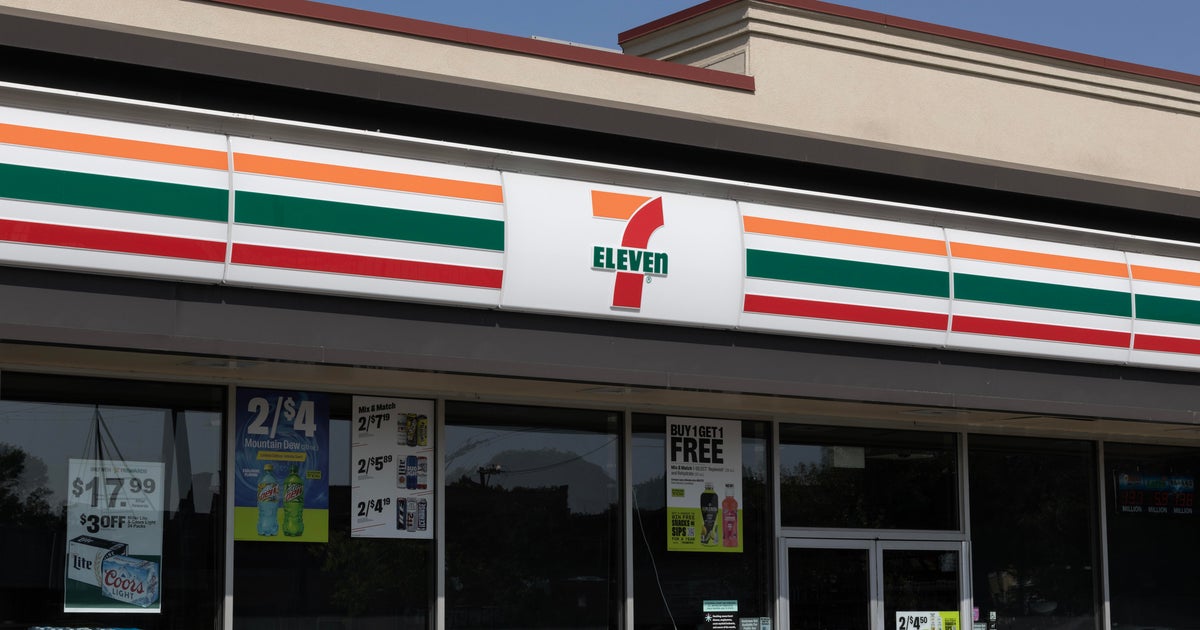
Seven & i Holdings, parent company of 7-Eleven, reported in earnings filings that 7-Eleven Inc. plans to close 645 stores across the United States in fiscal year 2026. The company said the closures “include the conversion to wholesale fuel stores.” Financial documents show 7-Eleven has been expanding wholesale fuel locations in North America, which numbered more than 900 as of December 2025. The chain forecasts opening 205 stores in the same period, a number that would be outpaced by the planned closures. The company has previously closed hundreds of underperforming convenience stores, citing slower sales, reduced foot traffic and inflationary pressure; it did not provide additional comment explaining this specific round of closures. Seven & i reported over 86,000 7-Eleven stores across 19 countries and more than 13,000 locations operated by its North American unit. The filings noted softened personal consumption in the 2025 fiscal year, particularly among low-income households. Seven & i expects consolidated revenue to decline about 9.4% in the current fiscal year (to roughly 9.45 trillion yen). Outside North America, some Seven & i subsidiaries plan net openings (for example, Seven‑Eleven Japan projects closing 350 stores and opening 550). The company has announced strategic investments in fresh food offerings and delivery (7NOW) as part of a transformation plan, and named Stephen Hayes Dacus as CEO last spring.
Biblical Reflection
What the story shows is a business responding to market realities: converting or closing locations that underperform, expanding formats that are more profitable (wholesale fuel sites), and pursuing new services (fresh food, delivery). The reporting is fact-based but leans on common explanatory threads — inflation, weaker consumer spending, and energy-market volatility — that are plausible contributors without proving direct causation in each local closure. Media accounts often highlight closures first because they are concrete and attention‑getting; strategic conversions and openings elsewhere are less sensational but are equally part of the corporate picture. From a Christian perspective, several themes matter: wise stewardship, accountability, and compassion. Corporate leaders are called to steward resources prudently (adapt operations, plan for sustainability) while also recognizing moral obligations to workers, franchisees, and economically vulnerable customers who feel the impact of fewer neighborhood stores and higher prices. Christians should resist simplistic narratives that cast business actions as either purely exploitative or purely benign; instead, evaluate motives and outcomes honestly. Pray for corporate leaders to pursue just practices, for communities and employees facing job or service loss, and for policy and market systems that protect the poorest. Finally, this story is a reminder to practice biblical prudence in personal finances and to advocate for systems that care for those most affected by economic strain.
Scripture in context
This outlook does not yet include contextual Scripture citations. Do not treat a general biblical theme as an exegetical conclusion.
Faithful Response
No prescribed response is offered. Consider the reflection prompts below in your own church context.
Reflection and Discussion
- 1What incentives (profitability, efficiency, market positioning) are most likely driving 7‑Eleven’s decisions, and how does noticing those incentives change how you interpret reports of closures?
- 2Does the article fairly balance the immediate harms (store closures, job risk) with the company's strategic openings/conversions, or does its framing push a more dramatic narrative?
- 3How should Christians weigh corporate prudence and the duty to adapt against obligations to care for workers and low‑income consumers affected by economic shifts?
Sources
Reporting links are evidence inputs; Sanctuary News' biblical reflection is commentary.
This outlook currently relies on fewer than two linked sources. Broaden verification before teaching from it.
- 1.Original reportprimary