News Summary
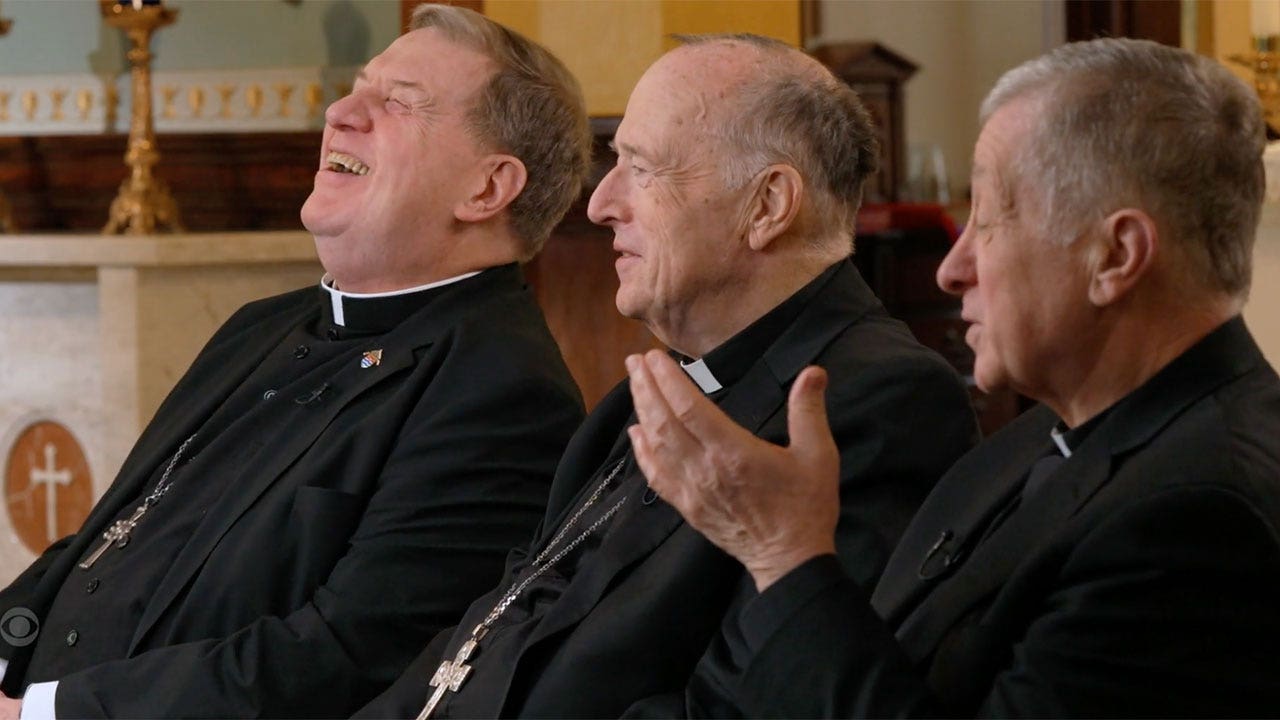
CBS News program 60 Minutes aired an interview with U.S. Cardinals Blase Cupich, Robert McElroy and Joseph Tobin in which the cardinals said they were encouraged by Pope Leo XIV's public stances opposing escalation of the war with Iran and criticizing some U.S. immigration policies. The cardinals criticized Trump administration materials and immigration enforcement practices; McElroy said Biden-era immigration was "getting out of control" while also objecting to Trump’s approach, and called the fighting in Iran "not a just war." Conservative commentators and media critics responded by questioning why 60 Minutes did not ask the cardinals about issues such as abortion or other areas where many Catholics and Democrats diverge from Church teaching. Commentators (including Media Research Center executive editor Tim Graham, Sean Spicer, Robert Royal and Raymond Arroyo) suggested the segment showcased a left-leaning subset of U.S. Catholic leaders and accused the program of selective framing intended to provoke a reaction from former President Trump. After the segment, Trump posted criticisms of Pope Leo on social media; the pope replied that he does not wish to debate the president and emphasized his focus on peace, justice and brotherhood. 60 Minutes did not immediately comment on the criticism.
Biblical Reflection
From a Christian perspective, this story highlights two recurring realities: (1) faith leaders can and do speak into public life, motivated by moral convictions grounded in Scripture and tradition; (2) secular media and political commentators often frame religious voices selectively to fit a particular narrative. The Catholic cardinals interviewed raised concerns that align with long-standing elements of Catholic social teaching—care for the vulnerable, caution about war, and concern for human dignity in migration policy—but those same leaders are not uniformly representative of every Catholic viewpoint (for example, on abortion or religious liberty). Media choices about whom to feature and which questions to ask shape public perception and can magnify particular theological or political emphases while leaving others unaddressed. Christians should therefore practice discernment: evaluate public Christian witness by its fidelity to core biblical convictions (justice, mercy, humility) rather than by partisan labels, and resist letting media framings substitute for careful reading of what Church teaching and Scripture actually require. At the same time, avoid reducing pastors and bishops to partisan actors; some will speak prophetically against policies they see as unjust, even when imperfect in their proposals. Seek truth, avoid tribalizing clergy, and hold leaders accountable to the whole counsel of God rather than one set of political priorities.
Scripture in context
This outlook does not yet include contextual Scripture citations. Do not treat a general biblical theme as an exegetical conclusion.
Faithful Response
No prescribed response is offered. Consider the reflection prompts below in your own church context.
Reflection and Discussion
- 1Which elements of Catholic teaching (e.g., life, justice, care for migrants) are present or absent in the article's framing, and how does that omission shape your view of the cardinals' statements?
- 2How might media selection of particular religious voices influence public perception of a faith community's teachings? Are you responding to the underlying issues or to the partisan framing?
- 3When clergy speak about public policy, do you evaluate their claims by Scripture and the church's moral teachings or by how closely they align with your political preferences?
Sources
Reporting links are evidence inputs; Sanctuary News' biblical reflection is commentary.
This outlook currently relies on fewer than two linked sources. Broaden verification before teaching from it.
- 1.Original reportprimary