News Summary
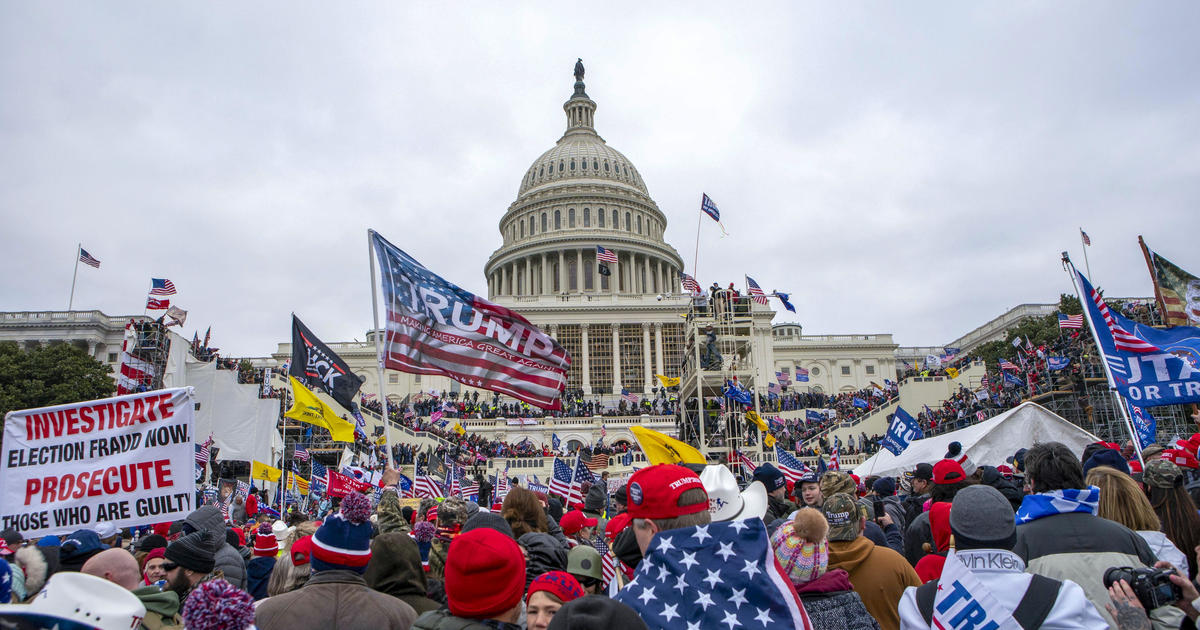
Five years after the January 6, 2021, attack on the U.S. Capitol, most physical damage has been repaired, and many injured have physically healed. However, deep political and societal divisions remain over the interpretation of the events. President Trump issued pardons for over 1,500 defendants, ending the largest criminal prosecution in U.S. history. There is an ongoing struggle over the factual narrative of the riot, with Trump and supporters downplaying the violence and suggesting the prosecutions were politically motivated. Law enforcement officers and Democratic leaders are pushing back, holding public hearings to reinforce the established facts and highlight the violence and injuries suffered, particularly by police. Some Republicans and Trump allies continue to claim the event was exaggerated or manipulated, even as evidence and convictions accumulate. The narrative battle has heightened distrust in media and government, while the wounds to public trust, democracy, and law enforcement morale remain raw.
Biblical Reflection
From a biblical perspective, the events and the ongoing battle over the truth of January 6 call Christians to examine the importance of truth, justice, and accountability. Scripture repeatedly warns against bearing false witness and calls for honesty (Exodus 20:16). The attempts to rewrite or minimize violent actions for political gain undermine the command to 'speak the truth in love' (Ephesians 4:15) and fail to honor the role of governing authorities in upholding justice (Romans 13:1-5). The physical and emotional harm done to law enforcement and the deep divisions among citizens reflect the consequences when truth is disregarded and reconciliation is neglected. Christians are called to be peacemakers (Matthew 5:9), to seek justice (Micah 6:8), and to pray for leaders and those in authority (1 Timothy 2:1-2), striving for unity and healing rather than perpetuating falsehoods or division. The pursuit of truth—even when it is uncomfortable or politically costly—is a Christian virtue. The Church should be a witness to integrity, repentance, and the hope of restoration, not a participant in the distortion of history or the excusing of violence.
Scripture in context
This outlook does not yet include contextual Scripture citations. Do not treat a general biblical theme as an exegetical conclusion.
Faithful Response
No prescribed response is offered. Consider the reflection prompts below in your own church context.
Reflection and Discussion
- 1Am I willing to seek and acknowledge the truth, even if it challenges my own perspectives or loyalties?
- 2How can I, as a follower of Christ, promote honesty, justice, and reconciliation in conversations about divisive events?
- 3Do my words and actions reflect the biblical call to be a peacemaker and to value truth above partisan gain?
Sources
Reporting links are evidence inputs; Sanctuary News' biblical reflection is commentary.
This outlook currently relies on fewer than two linked sources. Broaden verification before teaching from it.
- 1.Original reportprimary