News Summary
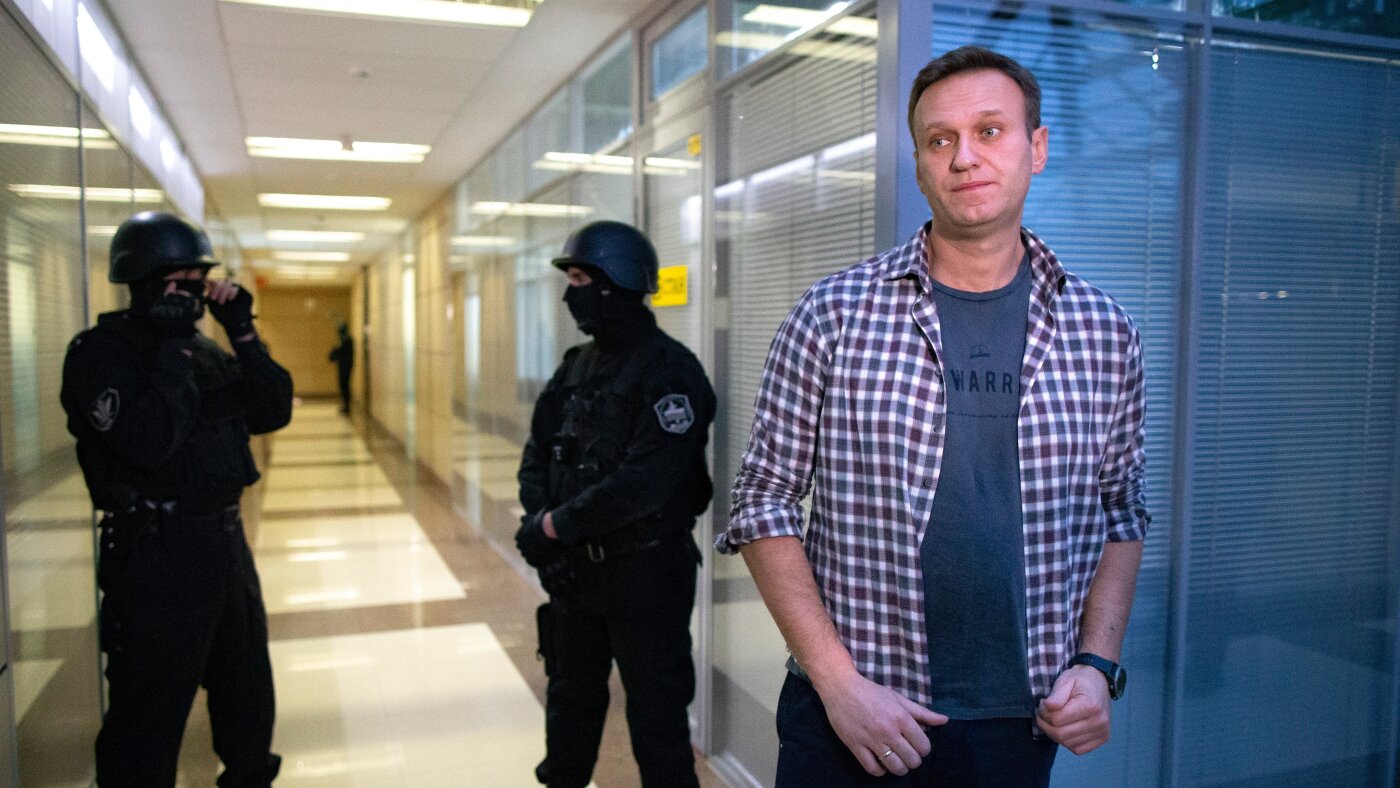
Five European nations—the UK, France, Germany, Sweden, and the Netherlands—have jointly stated that Russian opposition leader Alexei Navalny was poisoned with epibatidine, a rare and lethal neurotoxin usually found in South American dart frogs and not occurring naturally in Russia. Their analysis of samples from Navalny's body confirms the presence of this toxin, and they accuse the Kremlin of orchestrating his poisoning, citing motive, means, and opportunity. The countries are reporting Russia to the Organization for the Prohibition of Chemical Weapons for a breach of international law. Navalny, known for his anti-corruption activism and opposition to President Vladimir Putin, died in a Russian penal colony in 2024 while serving a lengthy sentence widely viewed as politically motivated. His widow and other Western officials directly blame Putin, while Russian authorities deny any wrongdoing, attributing his death to natural causes. This is not the first time Russian authorities have been accused of using poisons against political opponents or critics. The incident underscores ongoing concerns about political violence, state accountability, and human rights violations in Russia.
Biblical Reflection
From a biblical perspective, this news story brings to the forefront the grievous consequences of unchecked power, corruption, and the disregard for human life and justice. The targeted use of violence to silence opposition stands in direct opposition to the scriptural call for justice, truth, and the inherent dignity of every individual, created in the image of God (Genesis 1:27). The Bible consistently condemns the shedding of innocent blood (Proverbs 6:16-19) and calls leaders to act justly and serve the people with righteousness (Micah 6:8, Romans 13:3-4). The use of chemical weapons to suppress dissent not only violates international law but also demonstrates a profound lack of compassion and respect for life. As followers of Christ, we must mourn such injustice, pray for truth to prevail, and advocate for accountability. At the same time, we are reminded that evil actions, no matter how powerful their perpetrators, will ultimately be brought to light (Luke 12:2-3). The Christian response is to seek peace, pursue justice, and stand with the oppressed, trusting in God's ultimate justice.
Scripture in context
This outlook does not yet include contextual Scripture citations. Do not treat a general biblical theme as an exegetical conclusion.
Faithful Response
No prescribed response is offered. Consider the reflection prompts below in your own church context.
Reflection and Discussion
- 1How do I respond to news of injustice or political violence from a Christian perspective?
- 2In what ways can I pray or advocate for truth and justice in situations where corruption and oppression are present?
- 3What does it look like to 'act justly and love mercy' in a world often marked by abuse of power?
Sources
Reporting links are evidence inputs; Sanctuary News' biblical reflection is commentary.
This outlook currently relies on fewer than two linked sources. Broaden verification before teaching from it.
- 1.Original reportprimary