News Summary
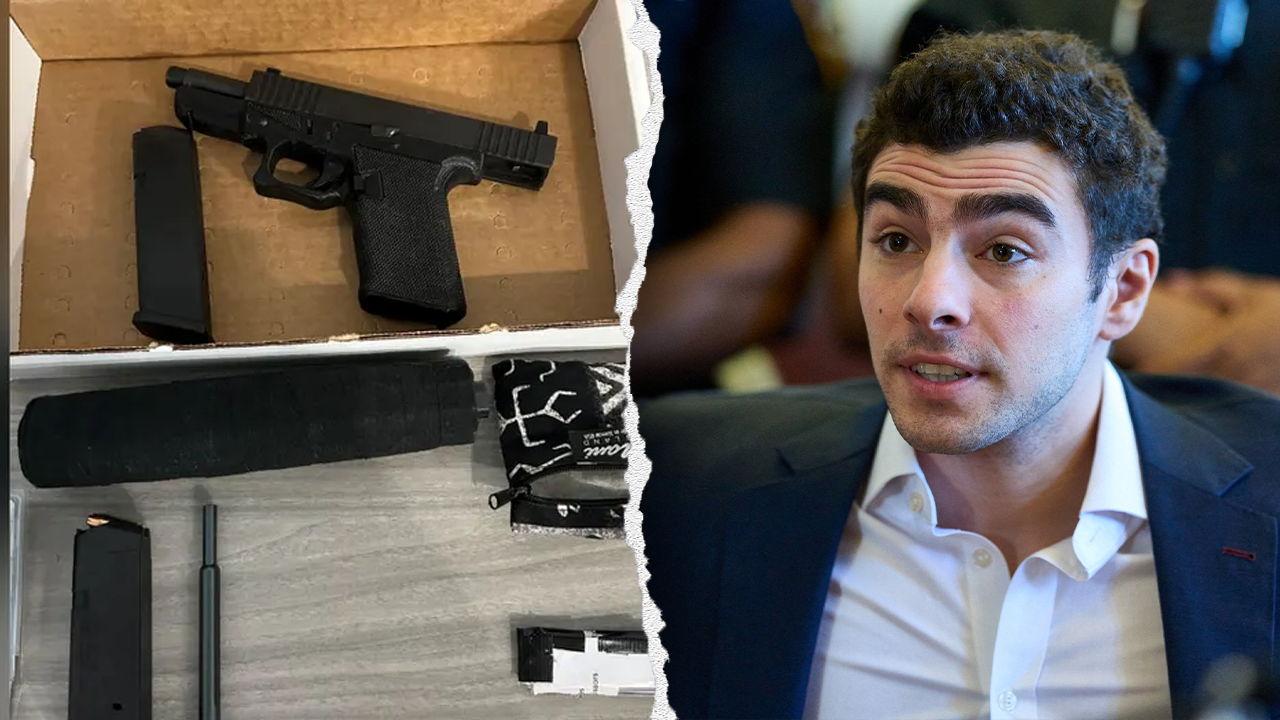
Luigi Mangione, 28, is accused of fatally shooting UnitedHealthcare CEO Brian Thompson outside a Manhattan Hilton on Dec. 4, 2024. Surveillance video shows a hooded man approach Thompson from behind and fire a handgun. NYPD detectives traced the suspect’s movements to a hostel where footage purportedly showed him lowering his mask; he was later recognized by members of the public and arrested at a Pennsylvania McDonald’s. Authorities say searches of his bag recovered an alleged handgun and a 3D-printed suppressor. A retired NYPD detective told Dateline he had not seen a silencer like the recovered device in 25 years on the job; a private investigator and former homicide detective commented that 3D-printed or homemade silencers were more common in earlier eras of organized and drug-related violence and that their reappearance shows technical skill and premeditation. Mangione has pleaded not guilty to state and federal charges and faces life in prison under state law and potentially the death penalty under federal charges; evidentiary hearings are ongoing, including a contested ruling allowing a gun and notebook from his backpack into evidence. Commentators on the case noted heavy public attention and comparisons to highly publicized trials.
Biblical Reflection
This story presents a convergence of premeditated violence, advancing technology, and high public interest. Factually, investigators report a recovered 3D-printed suppressor and other evidence tying an accused shooter to a planned killing; those details, if true, point to planning and technical preparation rather than an impulsive act. The article’s framing — with vivid detail about the device, references to past eras of organized violence, and media commentators — leans toward sensational true-crime emphasis, which can amplify fear or appetite for spectacle. From a Christian perspective we must hold competing commitments: to pursue truth and public safety (seeking fact-based accountability for a grave crime), to mourn and care for the victim’s family, and to resist dehumanizing the accused before due process. There is also a prophetic ethical question about technology: 3D-printing lowers barriers to creating dangerous devices, and society must reckon with how tools intended for creativity can be misused. Christians should advocate for justice that protects the vulnerable and restores safety while exercising mercy, resisting voyeurism, and demanding transparent, impartial legal process. Finally, the piece reminds the church to pray for victims, families, investigators, and courts, and to consider how to shepherd communities shaken by targeted violence.
Scripture in context
This outlook does not yet include contextual Scripture citations. Do not treat a general biblical theme as an exegetical conclusion.
Faithful Response
No prescribed response is offered. Consider the reflection prompts below in your own church context.
Reflection and Discussion
- 1How does the focus on dramatic technological detail (a 3D-printed suppressor) shape our fear and understanding of the crime versus the harder work of seeking verified facts and fair trial?
- 2What responsibilities do communities and governments have to limit misuse of widely available technologies while preserving legitimate innovation?
- 3Are we allowing media spectacle to crowd out compassion for the grieving and a sober commitment to impartial justice?
Sources
Reporting links are evidence inputs; Sanctuary News' biblical reflection is commentary.
This outlook currently relies on fewer than two linked sources. Broaden verification before teaching from it.
- 1.Original reportprimary