News Summary
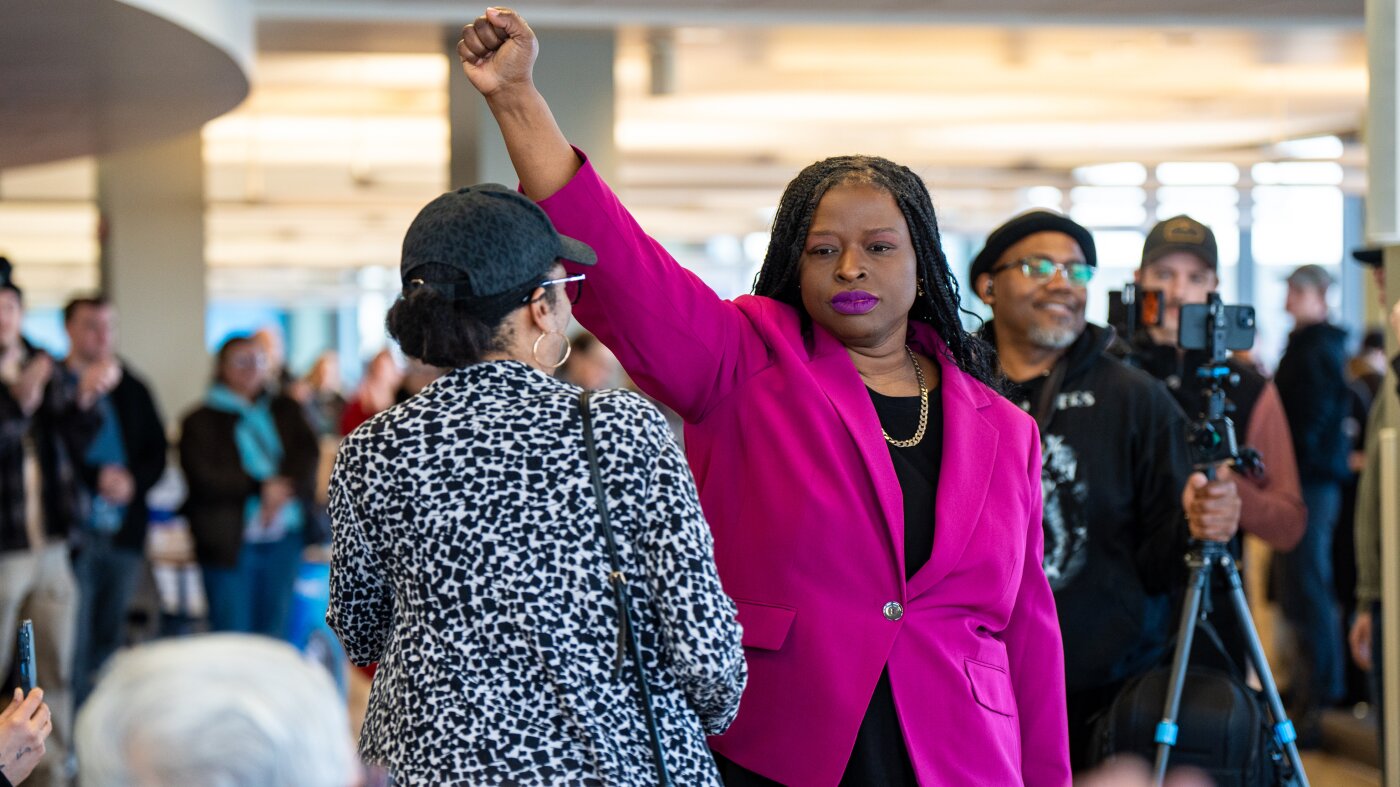
The article describes the aftermath of a protest at Cities Church in St. Paul, Minnesota, where demonstrators interrupted a worship service to protest the presence of a pastor who also serves as the local Immigration and Customs Enforcement (ICE) field office director. Civil rights attorney Nekima Levy Armstrong and at least two others were arrested for their roles in the protest, which was sparked by the recent fatal shooting of Renee Good by an ICE officer. The protestors argue that there is a moral conflict for a pastor to also lead ICE operations, especially amid controversial enforcement actions. The Justice Department swiftly opened a civil rights investigation into the protest, but declined to do so in the case of Good’s death, citing lack of grounds. The church and its defenders argue that disrupting worship is unacceptable, regardless of political disagreement. Meanwhile, a magistrate judge declined to charge journalist Don Lemon, who was present at the protest in a reporting capacity. The situation has heightened tensions between federal immigration authorities, local officials, and activists, with Vice President JD Vance and other federal leaders promising strict enforcement against protestors disrupting worship.
Biblical Reflection
Scripture consistently calls for both justice and respect for sacred spaces. The protest at Cities Church highlights deep divisions over the role of law enforcement and the intersection of faith with political and social responsibilities. The Bible urges us to seek justice for the oppressed (Isaiah 1:17), but also to respect the sanctity of worship and the gathering of believers (Hebrews 10:25, Psalm 122:1). Disrupting worship services, even for a cause, challenges the principle of honoring God’s house and the peace of the congregation. At the same time, Christians are called to confront injustice and speak up for the vulnerable, which is at the heart of the protestors’ message. The dual role of a pastor as an ICE official raises real ethical questions about leading with both compassion and justice. However, Christian action should always be guided by love, humility, and a commitment to peace—even in protest. While civil disobedience has a place in Christian history (Acts 5:29), it is vital to weigh the means against the message and to consider whether actions build up the Body of Christ or cause division and harm. The authorities’ swift punitive response, contrasted with the lack of investigation into the shooting, also raises concerns about equal justice and the temptation to use power for intimidation rather than reconciliation. Christians are called to pray for wisdom, seek justice, and always act with gentleness and respect.
Scripture in context
This outlook does not yet include contextual Scripture citations. Do not treat a general biblical theme as an exegetical conclusion.
Faithful Response
No prescribed response is offered. Consider the reflection prompts below in your own church context.
Reflection and Discussion
- 1How can Christians balance the call to seek justice with the command to respect sacred spaces and worship gatherings?
- 2What responsibilities do church leaders have when their professional roles conflict with their spiritual calling?
- 3How can protest and advocacy be conducted in ways that honor both God and neighbor?
Sources
Reporting links are evidence inputs; Sanctuary News' biblical reflection is commentary.
This outlook currently relies on fewer than two linked sources. Broaden verification before teaching from it.
- 1.Original reportprimary