News Summary
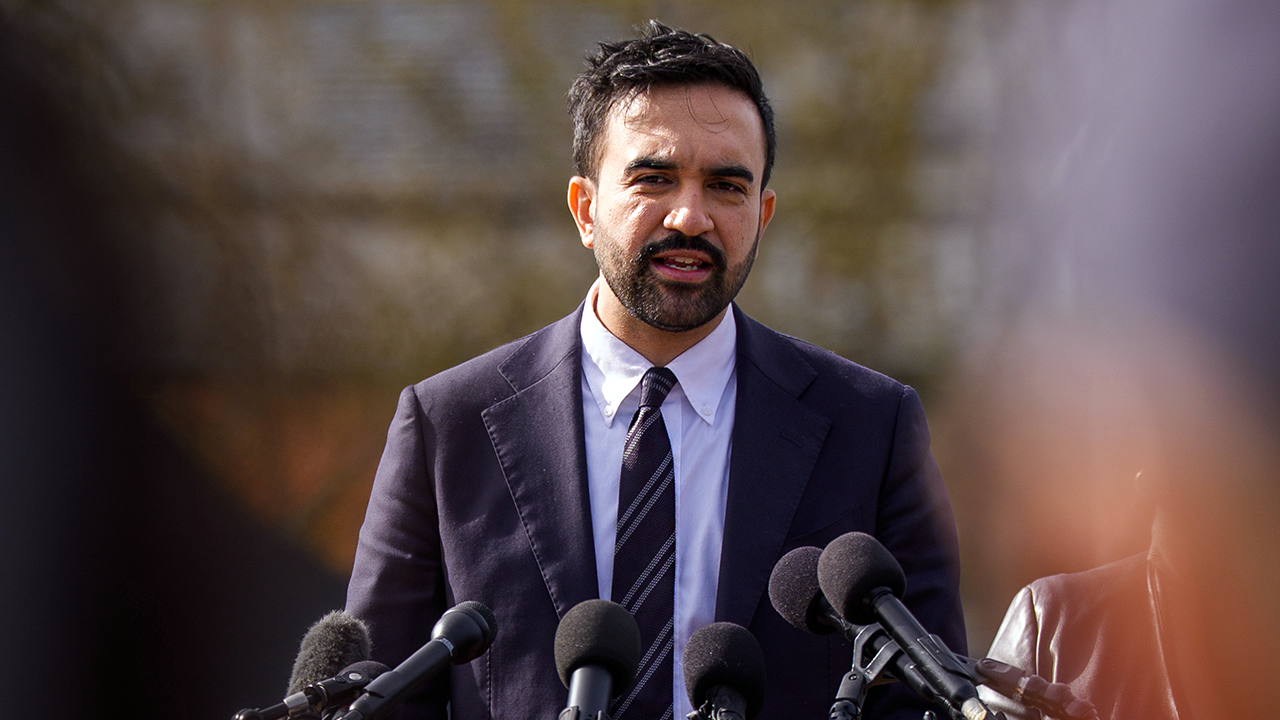
A recent report by the Anti-Defamation League (ADL) claims that about 20% of New York City mayor-elect Zohran Mamdani’s transition appointees are linked to groups or rhetoric characterized as anti-Zionist or anti-Israel. The report highlights connections to organizations such as Students for Justice in Palestine, Jewish Voice for Peace, and Within Our Lifetime, and notes some appointees have attended events with controversial figures like Louis Farrakhan. Specific examples are given of individuals who have expressed hostile statements toward Zionism or Israel, some of whom supported or justified the October 7 attacks. The ADL expresses concern that these appointments may contradict Mamdani's stated commitment to prioritize Jewish community safety, even as some appointees have shown support for the Jewish community. The report has sparked debate about the potential impacts on New York’s Jewish residents and broader interfaith relations.
Biblical Reflection
Scripture consistently calls for truth, justice, and peace among all peoples, and for leaders to act with integrity and wisdom (Micah 6:8; Romans 12:18). The allegations in this article highlight the deep divisions and sensitivities surrounding the Israel-Palestine conflict, especially as it intersects with public leadership and community relations. The presence of appointees with outspoken anti-Zionist or even hostile stances toward Israel raises concerns about whether the administration will foster unity or deepen wounds. While valid criticism of any government or ideology is permissible, Scripture warns against hatred, slander, or injustice toward any group (Leviticus 19:18; Proverbs 10:12).
For Christians, it is important to discern motives: Are these appointments promoting justice and peace, or are they introducing division and potential harm? Jesus calls His followers to be peacemakers (Matthew 5:9), to honor the dignity of all people, and to stand against antisemitism or any form of hatred. The article also notes that some appointees support the Jewish community, suggesting a complex and not monolithic transition team. Still, Christian wisdom urges prayer for leaders (1 Timothy 2:1-2), vigilance against injustice, and advocacy for peace and mutual respect in public discourse and policy.
Scripture in context
This outlook does not yet include contextual Scripture citations. Do not treat a general biblical theme as an exegetical conclusion.
Faithful Response
No prescribed response is offered. Consider the reflection prompts below in your own church context.
Reflection and Discussion
- 1How do I respond when I encounter deeply divisive issues in society or leadership?
- 2Am I praying for wisdom, justice, and peace for those in authority, even when I disagree with their choices?
- 3How can I promote genuine understanding and peace among communities with historical tensions?
Sources
Reporting links are evidence inputs; Sanctuary News' biblical reflection is commentary.
This outlook currently relies on fewer than two linked sources. Broaden verification before teaching from it.
- 1.Original reportprimary