News Summary
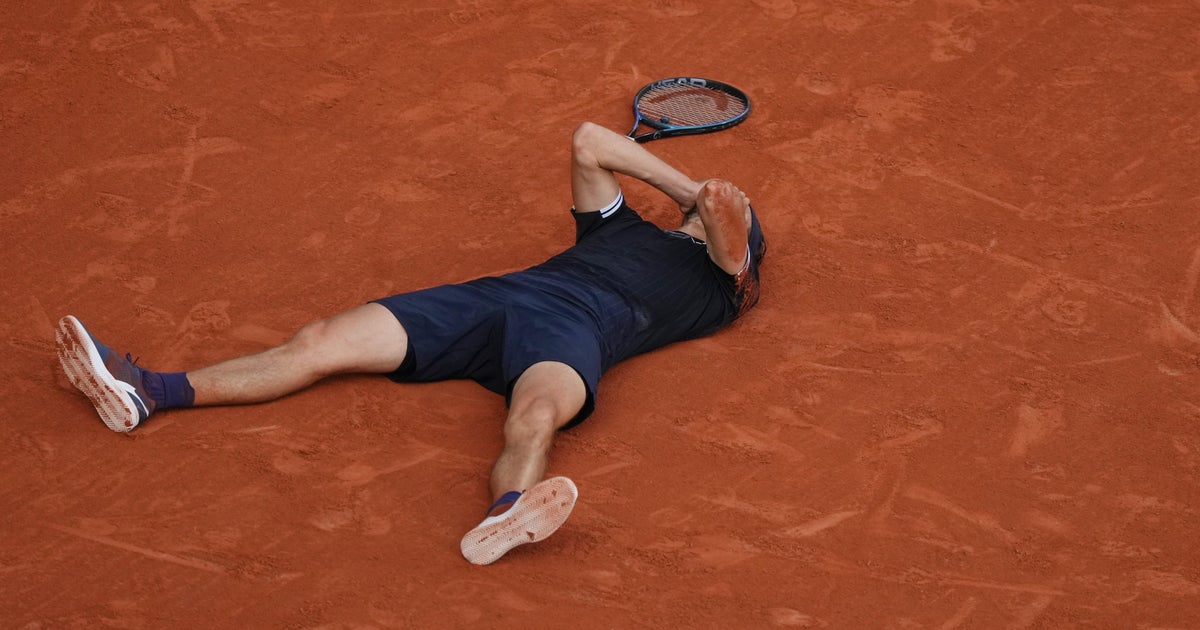
On June 7, 2026, Alexander Zverev defeated Flavio Cobolli in the men's singles final at the French Open (Roland Garros) by a score of 6-1, 4-6, 6-4, 6-7 (5), 6-1 to win his first Grand Slam title. The match lasted more than four hours. Cobolli, ranked 14th, was competing in his first Grand Slam semifinal prior to the final and sought to become the first Italian man to win Roland Garros since Adriano Panatta in 1976; Panatta presented the trophy. Zverev had reached four major finals before this victory, including the 2024 French Open and earlier U.S. Open and Australian Open finals, and this title is the 25th of his career. The tournament saw top competitors Jannik Sinner and Novak Djokovic eliminated earlier, and two-time reigning champion Carlos Alcaraz withdrew before the event with a wrist injury. Mirra Andreeva won the women's singles title the day before.
Biblical Reflection
This article reports a sporting accomplishment: a long-awaited first Grand Slam for an elite athlete. The coverage is largely factual and narrative-focused, highlighting perseverance, preparation, and the contingencies of competition (injuries, upsets). From a Christian perspective, the story invites gratitude for God-given talents and admiration for disciplined effort, while also reminding us to temper hero-worship. Media framing that emphasizes ‘opportunity’ because rivals were absent is not untrue, but it can unintentionally diminish the runner-up’s achievement; a Christian response honors both competitor and champion. Zverev’s visible emotion at victory is a reminder that athletic success carries deep personal meaning and vulnerability. The event spotlights common cultural values—excellence, national pride, and competition—which the church can affirm when they promote stewardship of gifts, humility in success, compassion in loss, and respect for opponents.
Scripture in context
This outlook does not yet include contextual Scripture citations. Do not treat a general biblical theme as an exegetical conclusion.
Faithful Response
No prescribed response is offered. Consider the reflection prompts below in your own church context.
Reflection and Discussion
- 1How does sports reporting shape our sense of merit—do we equate victory only with worth, or can we also recognize character and effort in defeat?
- 2When coverage highlights rival absences or 'opportunities,' are we subtly shifting credit away from the winner's work and how should that affect our judgment?
- 3In what ways can fans and churches encourage athletes to use influence and success for the common good rather than personal glory?
Sources
Reporting links are evidence inputs; Sanctuary News' biblical reflection is commentary.
This outlook currently relies on fewer than two linked sources. Broaden verification before teaching from it.
- 1.Original reportprimary