News Summary
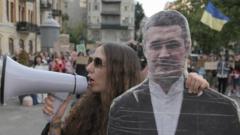
Reported facts: The article states President Volodymyr Zelensky dismissed Mykhailo Fedorov and that protests have continued in response. Attributed claims: The piece attributes to some commentators the view that Zelensky has been politically damaged and the claim that Zelensky is trying to 'fix' a crisis. Uncertainty: The article's title references removal of a defence minister, while the body names Mykhailo Fedorov; the supplied report lacks corroborating detail, dates, official statements, scope of protests, and concrete evidence for the political consequences described.
Source and Framing Analysis
Material uncertainty affects the story: the supplied text is brief and internally inconsistent (title versus body), which matters because role and context (a defence minister removed during wartime versus the dismissal of a different cabinet member) change the story's seriousness and implications. The article attributes political damage to 'some commentators' without naming them or providing evidence (polling, resignations, or formal censure). With only one short source, framing choices (title emphasis, selective attributions) have an outsized effect on reader interpretation.
Biblical Reflection
This news raises questions about leadership under pressure, public trust, and the responsibilities of those who govern during conflict. Christians are called to value truth and to weigh claims carefully; the article as supplied contains minimal factual detail and an internal inconsistency between its title and body, so we should withhold definitive judgments until clearer information arrives. At the same time, the presence of protests signals real public pain and fear—Christians should respond with compassion for neighbors affected by political upheaval, praying for peace and the protection of civilians.
From a pastoral angle, leadership transitions in wartime test both prudence and humility. Scripture repeatedly elevates servant leadership and calls leaders to seek the common good; where political decisions cause unrest, Christians can advocate for just processes, transparency, and policies that protect the vulnerable. We should also be mindful of undue haste in accepting partisan commentary as fact; discernment requires checking multiple sources and listening to those most directly affected before concluding about motives or long-term political damage.
Scripture in context
- 1Mark 10:42-45 — In Mark's Gospel Jesus addresses his disciples about true greatness, contrasting the world’s model of authority with the servant leadership he calls his followers to embody. He speaks to leaders' responsibility to serve others rather than dominate them. — This passage reframes political leadership as service; when leaders' decisions cause public unrest, Christians should appeal to patterns of humility, accountability, and care for the vulnerable rather than celebration of power or partisan advantage.
Faithful Response
Pray for clarity, for the protection of civilians, and for leaders to act justly and prudently.
Avoid amplifying unverified claims; seek multiple reputable sources before forming firm opinions or sharing diagnostics about motives.
Listen to those directly affected by the unrest (displaced civilians, families, protest participants) and advocate for their safety and basic needs.
Reflection and Discussion
- 1Where does my desire for stability influence how I interpret sparse or conflicting news about national leadership?
- 2How might Christian commitment to both justice and mercy shape speaking about political events that cause public suffering?
- 3What evidence would responsibly change my view about whether this dismissal harmed security or democratic processes?
Sources
Reporting links are evidence inputs; Sanctuary News' biblical reflection is commentary.
This outlook currently relies on fewer than two linked sources. Broaden verification before teaching from it.
- 1.Zelensky tries to fix crisis over removal of defence minister and counts the costprimary_reporting