News Summary
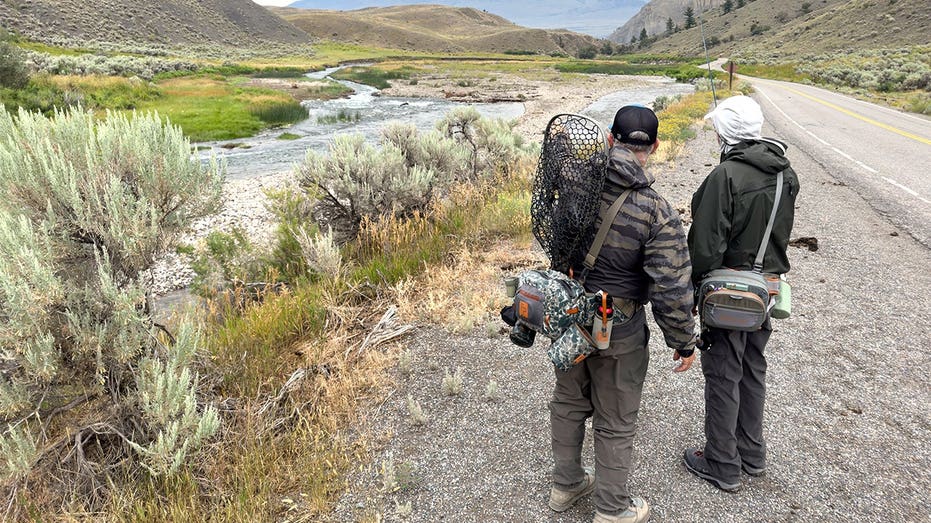
Reported facts: Park personnel observed dead trout in the Firehole River and measured water temperatures of 86°F; Yellowstone National Park closed three major rivers to fishing in response. Attributed claims: The article attributes the closures and concern to park officials and links the fish deaths to high water temperature. Uncertainties: The story does not specify which three rivers were closed, the number or geographic extent of fish mortalities, the precise source or timing of the temperature measurements, or whether other environmental factors contributed.
Source and Framing Analysis
The piece is a short report that ties observable facts (dead trout, a temperature reading) to an administrative action (river closures). The headline’s language — calling water “deadly” — is vivid and may amplify alarm beyond the documented facts. The supplied article text lacks named affected rivers, detailed data, quotes from scientific monitoring, or independent corroboration; these absences materially limit how confidently readers can assess scale, causes, and longer-term effects.
Biblical Reflection
This report points to a concrete and troubling sign of stress in a local ecosystem: fish dying where water temperatures are unusually high. The article conveys a straightforward chain of observed facts — dead trout, high measured temperature, and closures — but offers little detail about scale, causes beyond temperature, or longer-term projections. Christians should treat these facts seriously as a call to care for God’s creation and for the communities that depend on it, while resisting alarm that outpaces the available evidence.
The article’s framing (for example, a headline that calls the water “deadly”) invites emotional reaction. A faithful Christian response begins with sober attention to facts, compassion for creatures and people affected, and patient inquiry into causes and remedies. Scripture teaches stewardship of creation and compassion for neighbors; here that translates into supporting accurate investigation, appropriate conservation measures, and public policies that protect ecosystems and the livelihoods and recreation of others.
At the same time, exercise humility about what is not shown in the report: whether the temperature spike is an isolated, measured outlier or part of a broader, documented trend; how many fish were lost; and what immediate and long-term interventions are available. Faith calls us to advocate for truth and for actions that relieve harm, rather than to amplify fear or to draw political conclusions before evidence is gathered.
Scripture in context
- 1Genesis 1:26-28 — In the creation narrative, humanity is given responsibility and 'dominion' over the earth within the context of God declaring parts of creation 'good.' Historically this passage has been read as a mandate for stewardship rather than exploitation. — This story invites Christians to remember that care for rivers and wildlife flows from our calling to steward creation. Practical application includes protecting habitats, supporting policies that prevent avoidable harm, and seeking the common good for present and future neighbors.
Faithful Response
Pray for affected ecosystems, park staff, and local communities who rely on fishing and tourism.
Seek reliable information from park authorities and scientific monitoring before forming judgments or sharing alarming claims.
Support local conservation efforts and responsible recreation practices that reduce stress on aquatic life (e.g., following closures, adhering to park guidance).
Advocate for policies and resources that monitor and address environmental stressors, especially where human livelihoods and biodiversity intersect.
Reflection and Discussion
- 1Are we responding to the visible harm (dead fish) with calm discernment or with amplified fear that outpaces the evidence?
- 2How can our love for God’s creation lead to concrete support for affected communities and long-term prevention?
Sources
Reporting links are evidence inputs; Sanctuary News' biblical reflection is commentary.
This outlook currently relies on fewer than two linked sources. Broaden verification before teaching from it.
- 1.Urgent Yellowstone fishing closures hit 3 rivers as water turns deadlyprimary_reporting