News Summary
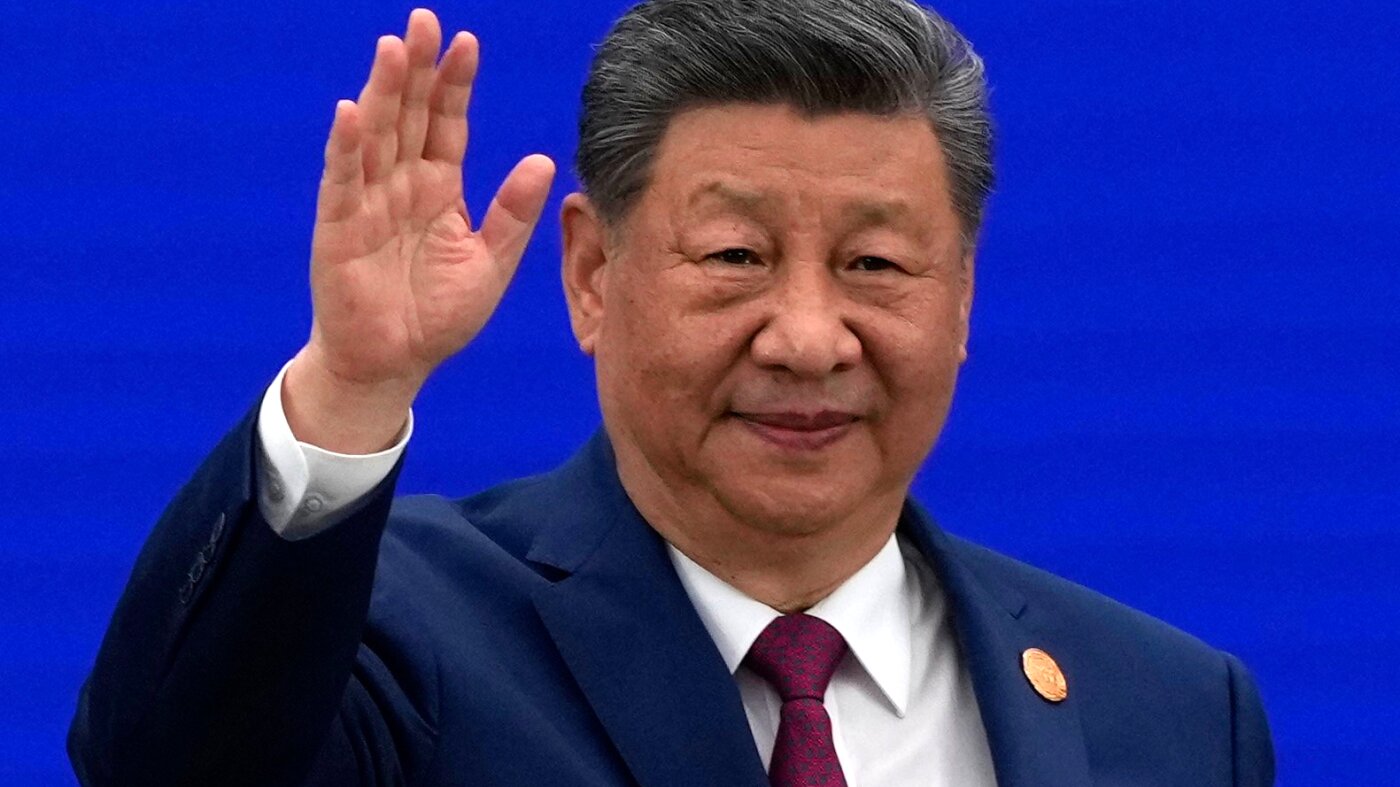
At the World Artificial Intelligence Conference in Shanghai, Chinese President Xi Jinping called for global cooperation in AI development and governance and criticized what he described as the overstretching of national security concerns. Xi said AI should not be dominated by any single country and announced that China will provide 5,000 AI training opportunities to developing countries over the next five years, expand cooperation with regional blocs (ASEAN, League of Arab States, African Union, CELAC, Shanghai Cooperation Organization, BRICS), and offer 30 countries access to a Chinese-developed AI meteorological early-warning system. The previous day, 29 countries signed an agreement with China to establish a World Artificial Intelligence Cooperation Organization headquartered in Shanghai, described by state media as an intergovernmental organization for AI governance. The conference includes over 1,100 companies and 1,400 guests; Huawei is showcasing its Atlas 950 SuperPoD computing system. The article notes that U.S.-led restrictions have blocked some Chinese access to advanced technologies, prompting Chinese efforts to build indigenous capabilities, and that some analysts now view China as an AI innovator with open-source models such as DeepSeek gaining appeal in parts of the developing world.
Biblical Reflection
The article reports a mix of diplomatic appeal and strategic positioning. Xi's call for cooperation frames China as a partner for development and governance, while also rejecting national-security-based restrictions that have limited Chinese access to some technologies. That framing is truthful in describing China's outreach and promises, but it omits analysis of Chinese strategic motives and how technology and standards exports can extend geopolitical influence. Christians should read this with discernment: cooperation and capacity-building for poorer nations can reflect neighbor-love and stewardship, but technology pushed by powerful states can also carry surveillance, control, or dependency risks that harm human dignity. The story reveals a worldview that values technological progress and national pride, and it treats governance as contested terrain between competing powers. A Christian response calls for honesty about motives, protection of vulnerable peoples, and insistence that AI governance serve human flourishing, transparency, and the common good rather than domination or profit.
Scripture in context
This outlook does not yet include contextual Scripture citations. Do not treat a general biblical theme as an exegetical conclusion.
Faithful Response
No prescribed response is offered. Consider the reflection prompts below in your own church context.
Reflection and Discussion
- 1Which nations' security narratives and values will shape global AI rules, and whose voices—especially in the Global South—are being centered or marginalized?
- 2Are offers of training and shared systems primarily about mutual flourishing, or do they also create technical dependencies and extend political influence?
- 3What safeguards should Christians insist on so that expanding AI does not undermine human dignity, privacy, or basic freedoms?
Sources
Reporting links are evidence inputs; Sanctuary News' biblical reflection is commentary.
This outlook currently relies on fewer than two linked sources. Broaden verification before teaching from it.
- 1.Original reportprimary