News Summary
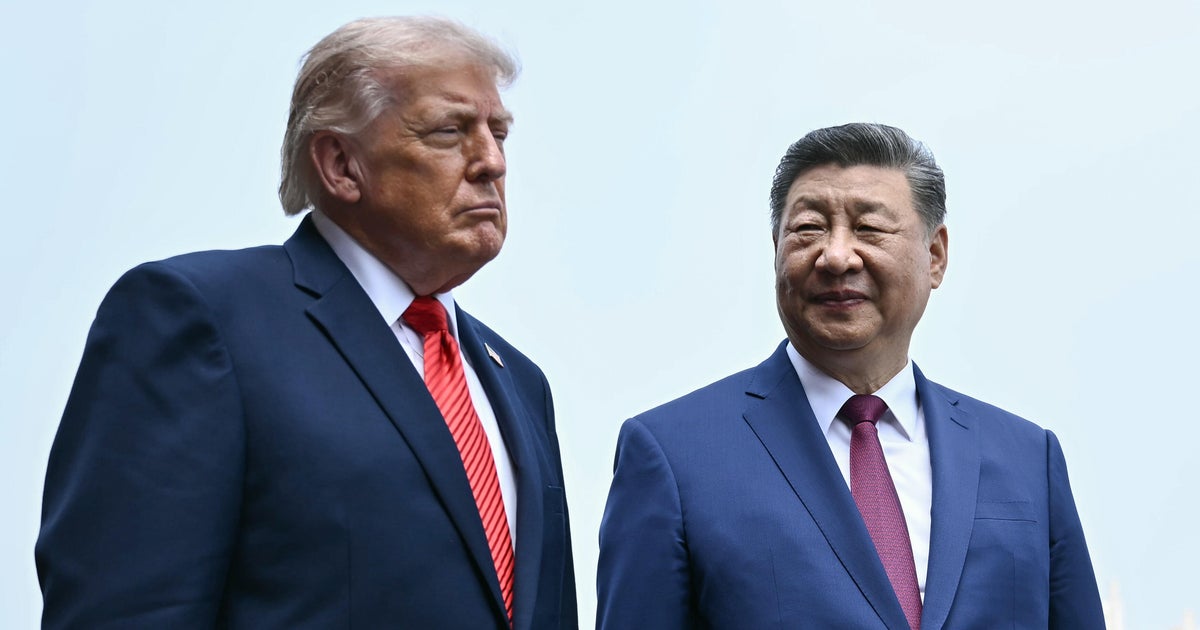
During a summit in Beijing, Chinese President Xi Jinping warned U.S. President Donald Trump that the Taiwan issue is the most important matter in China–U.S. relations and that if it is not "handled properly" it could produce "clashes and even conflicts." The leaders held a roughly two-hour and 15-minute closed-door meeting that the White House described as "good." A readout posted on X by a Chinese foreign ministry spokesperson quoted Xi on Taiwan; the White House readout did not mention Taiwan. Both sides highlighted positive progress on trade: Chinese state media quoted Xi praising recent economic and trade outcomes, and the White House said discussions included expanding U.S. market access and increasing Chinese investment. Several U.S. corporate leaders (including CEOs from Tesla, Nvidia and Apple) attended portions of the visit. The two leaders also discussed Iran and the Strait of Hormuz, with both reportedly agreeing Iran should not obtain a nuclear weapon and Xi expressing opposition to militarization of the Strait. The meeting was the first face-to-face encounter between Trump and Xi since October and the first U.S. presidential visit to China since 2017. Background context noted in the article includes last year’s U.S.–China trade war and ongoing cross-Strait tensions: China maintains its intent to reunify with Taiwan and has not ruled out force, while the U.S. provides military support to Taiwan but has long declined to formally state whether it would defend Taiwan in a conflict.
Biblical Reflection
This article reports diplomatic signaling from both Beijing and Washington. The Chinese readout emphasizes a direct security threat tied to Taiwan and frames stability as contingent on U.S. handling of the issue; the U.S. public summary highlights economic cooperation and avoids direct mention of Taiwan. Each side is managing messages for both international audiences and domestic politics—Xi stressing deterrence and unity on sovereignty, and the U.S. emphasizing trade and stability while leaving explicit security commitments ambiguous. Christians should note several truths here: governments speak strategically, especially on sensitive security topics; state-run media and official readouts reflect the priorities and rhetorical aims of their governments; and commerce and security often pull policy in different directions. From a biblical perspective, our priorities include honesty, prudence, and peacemaking. Leaders are called to seek wisdom and pursue just peace (Proverbs 11:14; Matthew 5:9). We should be wary of narratives that stoke fear or reduce people to geopolitical pawns—Taiwanese citizens, for example, are a human community with intrinsic dignity, not merely leverage in a state negotiation. At the same time, Christians should avoid simplistic binaries (good vs. evil) in complex diplomacy; pray for truthful reporting, wise restraint by leaders, and protection for vulnerable populations. Finally, discernment is needed when an article draws mainly on one side’s official statements: that shapes the tone and may omit competing perspectives.
Scripture in context
This outlook does not yet include contextual Scripture citations. Do not treat a general biblical theme as an exegetical conclusion.
Faithful Response
No prescribed response is offered. Consider the reflection prompts below in your own church context.
Reflection and Discussion
- 1Whose perspective is centered in the article (Chinese state media, the White House, independent analysts), and how does that choice shape the story's tone and emphasis?
- 2How does the framing of Taiwan as a strategic issue rather than a community of people influence public sympathy and policy options?
- 3Amid competing national interests (trade, security, domestic politics), where should Christian moral imagination place its primary concerns—truthfulness, protection of the vulnerable, or pursuit of peace—and how do those priorities interact?
Sources
Reporting links are evidence inputs; Sanctuary News' biblical reflection is commentary.
This outlook currently relies on fewer than two linked sources. Broaden verification before teaching from it.
- 1.Original reportprimary