News Summary
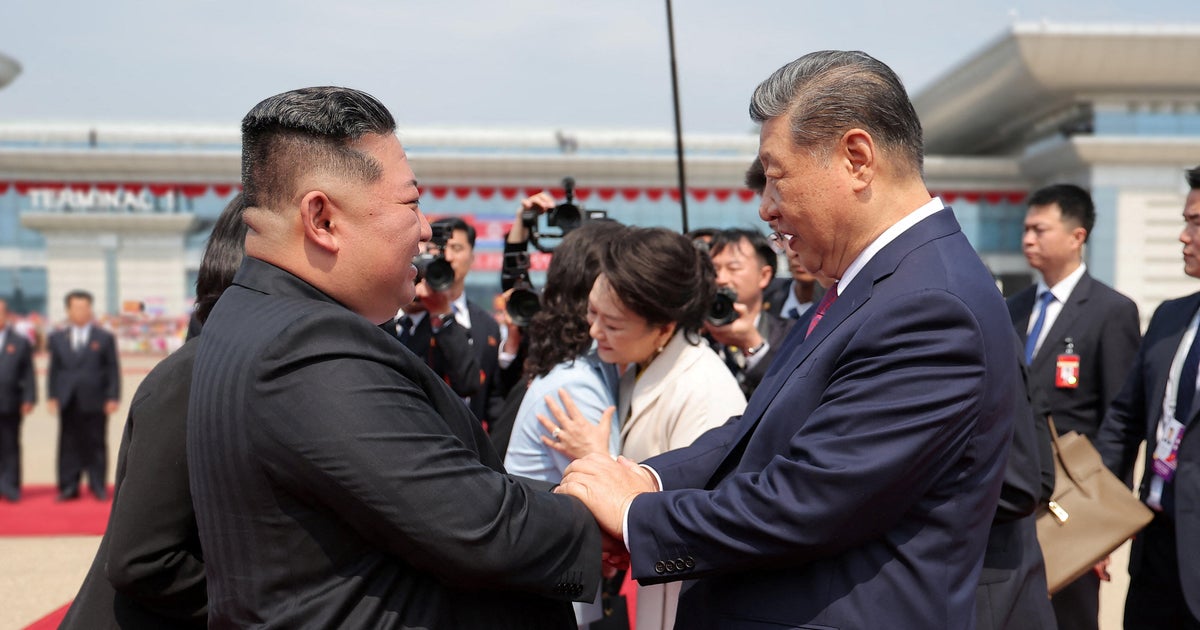
Chinese President Xi Jinping completed a two-day visit to North Korea on June 10, 2026, calling the summit a “new historical starting point” and pledging deeper ties and expanded cooperation with North Korean leader Kim Jong Un. Official statements said the leaders discussed trade, tourism, Chinese investment, and education exchanges. Independent analysts quoted by CBS (notably former U.S. State Department official Bob Carlin) said Xi’s likely motive was to monitor and influence an increasingly emboldened, nuclear-armed Kim, who since 2023 has shifted away from seeking normalization with the U.S. toward rhetoric of confronting America. The report notes recent North Korean developments, including unveiling a nuclear production factory and an enrichment facility, Kim Yo Jong’s declaration that North Korea’s nuclear status is “irreversible,” and expanded military ties between North Korea and Russia (including reported military assistance and troop exchanges). Observers raised concern that deeper China–North Korea military cooperation (for example, air-defense sales or joint exercises) around the upcoming 65th anniversary of a defense treaty would signal a substantive alignment. The article also notes that China seeks to limit Russia’s exclusive influence in Pyongyang and that neither China nor the U.S. has publicly confirmed whether Xi carried any U.S. messages to Kim; the piece includes the view that opportunities for denuclearization talks were lost after the breakdown of meetings between former President Trump and Kim in 2019, and that North Korea has continued weapons testing since then.
Biblical Reflection
From a Christian perspective, this story highlights the recurring human temptation to seek security through power and alliances rather than justice, reconciliation, and the protection of the vulnerable. The reporting centers national-security concerns and an expert’s worst-case readings of Kim’s intentions — a legitimate focus given weapons developments — but it leans on threat-framing that can harden fear and tribalism. Christians should be neither naïve about real dangers nor quick to celebrate geopolitical posturing; instead we should press for truthful reporting, cautious discernment, and a priority for diplomacy that reduces risk to civilians. Note possible biases: the piece relies heavily on a single U.S. analyst’s interpretation, emphasizes state-level maneuvering over humanitarian realities inside North Korea, and treats China largely as a strategic actor rather than a human community with its own internal prudence and anxieties. Practically, the Christian virtues of humility, mercy, and peacemaking call us to pray for leaders on all sides, to advocate for channels that reduce the chance of armed conflict, and to remember the human cost behind great-power calculations — especially civilians who would suffer most if tensions escalate.
Scripture in context
This outlook does not yet include contextual Scripture citations. Do not treat a general biblical theme as an exegetical conclusion.
Faithful Response
No prescribed response is offered. Consider the reflection prompts below in your own church context.
Reflection and Discussion
- 1Whose voices are centered in this reporting — security experts, state actors, or the people most affected — and how does that shape our view of the threat?
- 2How do we balance truth about military danger with the Christian call to compassion for ordinary people living under regimes and sanctions?
- 3Are we accepting threat narratives at face value, or asking what diplomatic, humanitarian, and truth-telling steps might reduce the risk of violence?
Sources
Reporting links are evidence inputs; Sanctuary News' biblical reflection is commentary.
This outlook currently relies on fewer than two linked sources. Broaden verification before teaching from it.
- 1.Original reportprimary