News Summary
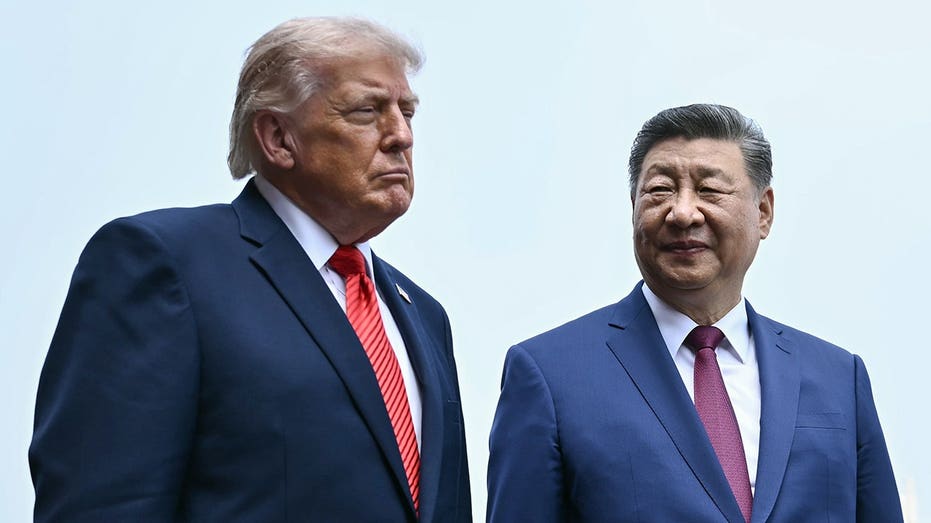
Reported facts: Fox News published an item saying President Donald Trump announced that China's Xi Jinping will visit the U.S. on Sept. 24 and that AI dominance is expected to be a central topic. Attributed claims: the timing and agenda are attributed to President Trump. Uncertainty: the report does not cite direct confirmation from Chinese state media, the Chinese government, or independent diplomatic sources; no venue, security, or formal agenda documents are provided.
Source and Framing Analysis
The article is a single-source report attributing the travel date and agenda to President Trump. The language centers the announcement around a U.S. political figure rather than reporting a bilateral agreement confirmed by both governments. That framing leaves open whether the date and agenda are finalized or represent a political claim. Material uncertainties include lack of confirmation from Chinese officials, absence of itinerary or preparatory statements from either foreign ministry, and no description of what 'AI dominance' discussions would involve.
Biblical Reflection
A meeting between the U.S. president and China's leader could provide a needed space for diplomacy on issues that affect global stability—trade, security, and the governance of transformative technologies. Christians should pray for leaders to pursue peace and the common good rather than unilateral advantage. The focus on artificial intelligence raises ethical questions about stewardship of powerful tools, protection for vulnerable people, and the possibility of escalation if competition becomes zero-sum.
At the same time, we should practice Christian discernment about how information is presented. A public claim from one leader does not equal a bilateral agreement; spreading unverified diplomatic claims can inflame public expectations or be used for domestic political purposes. Christians are called to seek truth (discernment), speak truth with love (mercy and humility), and advocate for policies that protect human dignity—especially when new technologies could concentrate power or harm the vulnerable.
Practical Christian engagement here includes prayer for wise statesmanship, support for transparent and ethical governance of AI, and encouragement of institutions that promote peaceful cooperation. We should also model humility and patience: seek reliable, corroborated information before forming strong public judgments and hold leaders accountable to pursue justice, peace, and the flourishing of neighbors at home and abroad.
Scripture in context
- 1Matthew 5:9 (Sermon on the Mount) — Part of Jesus' Sermon on the Mount, this passage calls followers to be peacemakers in a world of conflict, promising they will be called children of God. — Leaders and citizens alike should prioritize diplomacy and reconciliation; Christians can pray for and encourage conversations that seek to reduce tension rather than inflame rivalry.
- 2James 3:1-18 — A section of James that warns about the powers of speech and the need for wisdom from above—contrasting earthly strife with wisdom that is pure, peaceable, gentle, and full of mercy. — When political leaders make bold public claims, the church should practice prudent speech and demand wise, peace-oriented leadership rather than amplifying partisan rhetoric that foments division.
Faithful Response
Pray specifically for truthfulness, wisdom, and peace for both U.S. and Chinese leaders and for those directly affected by AI policy.
Seek out corroborated reporting and official statements (U.S. State Dept., Chinese foreign ministry, neutral international sources) before sharing or acting on diplomatic claims.
Advocate within civic and church networks for ethical oversight of AI that protects the vulnerable and reduces the risk of militarized escalation.
Model calm, informed conversation in personal and congregational settings rather than spreading unverified or sensational claims.
Reflection and Discussion
- 1How does the possibility of an AI-focused summit between great powers change the way Christians should think about justice and protection for vulnerable communities?
- 2What habits of discernment can help believers distinguish between a leader's public claim and a confirmed diplomatic agreement?
- 3In what ways can the church constructively influence conversations about the ethics and governance of powerful technologies?
Sources
Reporting links are evidence inputs; Sanctuary News' biblical reflection is commentary.
This outlook currently relies on fewer than two linked sources. Broaden verification before teaching from it.
- 1.Trump says Chinese President Xi Jinping will visit US on Sept 24primary_reporting