News Summary
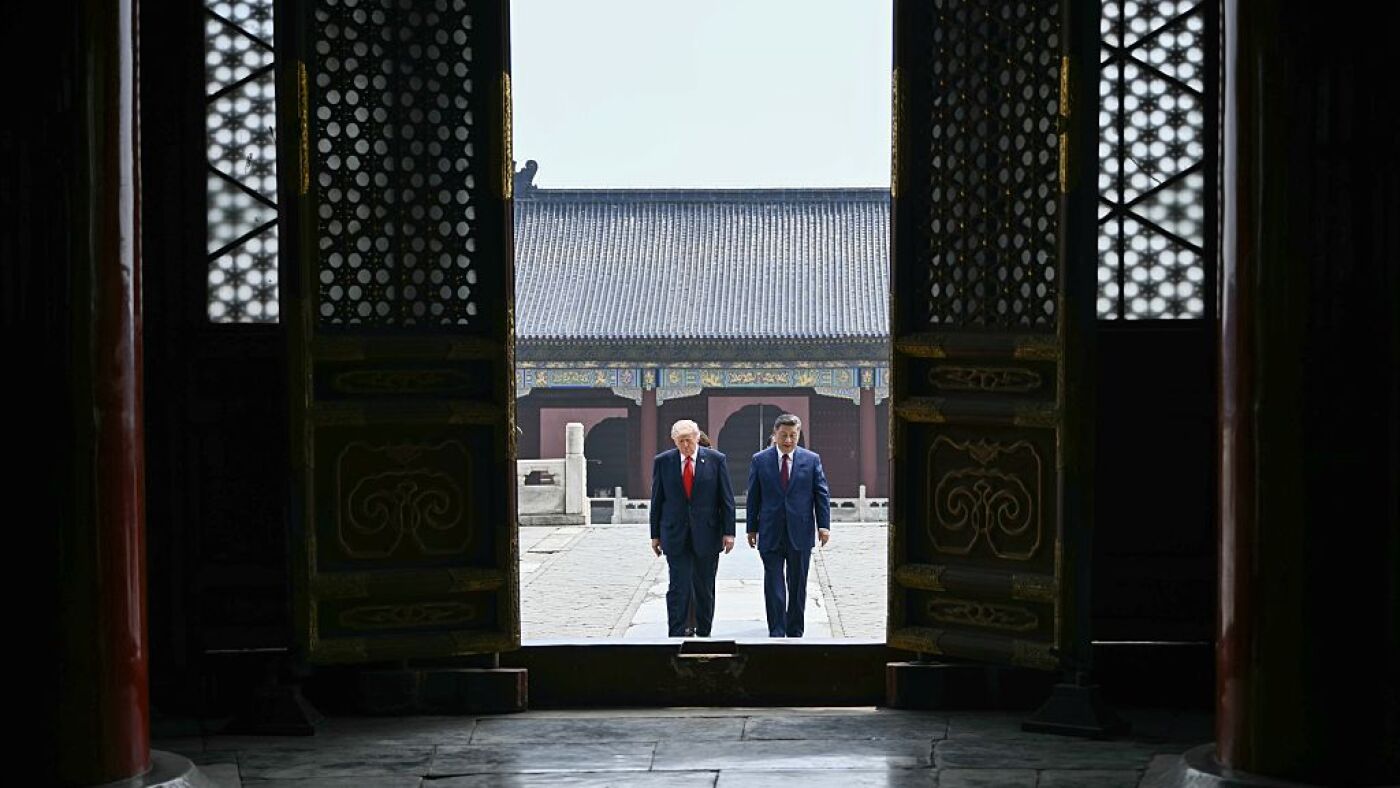
President Trump visited Beijing and met with Chinese President Xi Jinping in a state-level summit that included ceremonial events, a banquet, and meetings on economic and security issues. Xi told Trump that Taiwan is "the most important issue" between the two countries and warned that mishandling the Taiwan question could lead to clashes or conflicts that would jeopardize the bilateral relationship. The White House described the meeting as "good" in a readout that did not mention Taiwan, and focused on discussions of economic cooperation, market access, Chinese investment, purchases of U.S. agricultural products (including soybeans), fentanyl, and aircraft sales. Other topics reportedly discussed included the Middle East, the war in Ukraine, and keeping the Strait of Hormuz open. Analysts said the visit was likely aimed at maintaining the stability achieved during a prior trade truce rather than producing major policy shifts. Taiwanese officials reaffirmed gratitude for U.S. support and watched the meeting closely.
Biblical Reflection
This article records diplomatic signaling between two major powers. Xi's blunt warning highlights Beijing's prioritization of territorial claims and regime security; the U.S. response—public silence on Taiwan in the official readout—reflects diplomatic caution and the policy of strategic ambiguity. The piece is primarily descriptive and does not assert false facts, but readers should note what is emphasized (Xi's warning) and what is downplayed (the White House omission of Taiwan), both of which reveal the delicate balancing act of diplomacy.
From a Christian perspective, this story raises questions about how nations and leaders balance power, pride, and prudence. Scripture calls God's people to seek and pursue peace while also speaking truth and defending the vulnerable. The pursuit of economic advantage and national prestige can obscure the human cost of conflict and make states prone to brinkmanship. Christians should be wary of narratives that normalize the idolization of power, wealth, or national security at the expense of peace and human flourishing. At the same time, the article shows the real constraints and responsibilities facing leaders who must protect citizens and prevent wars. Discernment here means praying for wisdom for leaders, critiquing rhetoric that fuels fear or triumphalism, and advocating a posture that prefers de-escalation, honest negotiation, and care for those who would be harmed by conflict.
Scripture in context
This outlook does not yet include contextual Scripture citations. Do not treat a general biblical theme as an exegetical conclusion.
Faithful Response
No prescribed response is offered. Consider the reflection prompts below in your own church context.
Reflection and Discussion
- 1Whose interests and incentives does each leader appear to be protecting in their public statements, and how might that shape the messaging we see in the press?
- 2What parts of the story are emphasized or omitted (e.g., the White House readout leaving out Taiwan), and how does that influence our perception of risk and intent?
- 3How should Christians balance prayerful support for national leaders with prophetic critique when policies or rhetoric increase the likelihood of conflict?
Sources
Reporting links are evidence inputs; Sanctuary News' biblical reflection is commentary.
This outlook currently relies on fewer than two linked sources. Broaden verification before teaching from it.
- 1.Original reportprimary